Introduction
Learning how to respond when someone asks if the café table is free is a practical skill for anyone visiting Brazil or practicing conversational Brazilian Portuguese. This article teaches beginner-friendly phrases, vocabulary, simple dialogues, and tips to sound natural and polite in real-life situations.
- Why this situation matters
- Key vocabulary for cafés
- Simple phrases to ask if a table is free
- How to respond when someone asks if the table is free
- Short beginner-friendly dialogues
- Politeness and tone
- Pronunciation tips for beginners
- Common mistakes to avoid
- Practical tips for real café interactions
- More useful café phrases
- Short role-play scenarios
- How to react if you don’t understand
- Putting it all together: a sample visit
- Conclusion
Why this situation matters
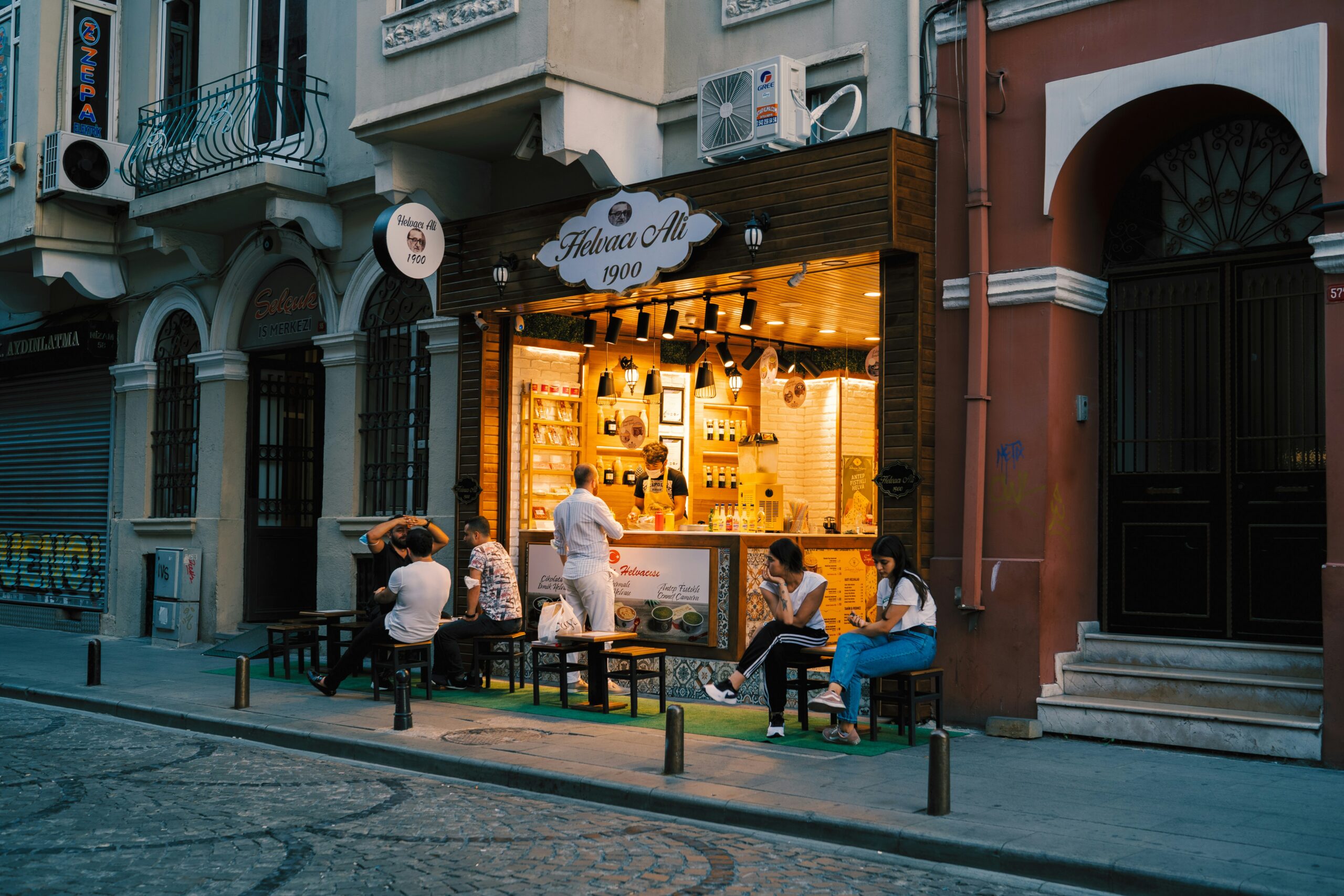
Sitting in a café is a common social moment: you may want to share a table, offer a seat, or check availability. Knowing simple responses helps you avoid awkwardness, shows courtesy, and makes it easier to interact with locals.
Key vocabulary for cafés
mesa – table
livre – free, available
ocupada – occupied
tem alguém – is there someone
posso – can I, may I
desculpe – excuse me, sorry
por favor – please
bom dia – good morning
boa tarde – good afternoon
boa noite – good evening / good night
Simple phrases to ask if a table is free
Essa mesa está livre? – Is this table free?
Essa mesa está ocupada? – Is this table occupied?
Tem alguém nessa mesa? – Is there someone at this table?
Posso sentar aqui? – Can I sit here?
How to respond when someone asks if the table is free
Responding depends on whether the table is available, reserved, or if you want to share. Use polite short answers for beginners. The first time we introduce the main phrase, we use strong formatting. Later examples will use emphasis for repeated Portuguese terms.
If the table is free
Sim, está livre. – Yes, it’s free.
Pode sentar. – You can sit.
Fique à vontade. – Make yourself comfortable.
Use these when no one is using the table. Short and friendly is best in casual cafés.
If the table is occupied
Não, está ocupada. – No, it’s occupied.
Desculpe, tem reserva. – Sorry, it’s reserved.
Estamos ocupados. – We’re occupied.
When a table is in use, these replies politely close the request. If there is room to share, offer an alternative.
If you can share the table
Sim, pode sentar, podemos compartilhar. – Yes, you can sit, we can share.
Cabem duas a mais. – Two more can fit.
Tem espaço se quiser sentar. – There’s space if you want to sit.
Sharing is common in busy cafés. Offer or accept sharing politely using these phrases.
If you need to check with someone
Espere um minuto, por favor. – Wait a minute, please.
Vou ver se podemos ceder. – I’ll see if we can move.
Posso verificar com meus amigos? – Can I check with my friends?
Use these when you are unsure about availability or must consult others at your table.
Short beginner-friendly dialogues
Example 1 – Simple check
Cliente: Essa mesa está livre?
Pessoa: Sim, está livre. Pode sentar.
Example 2 – Sharing a table
Cliente: Posso sentar aqui?
Pessoa: Sim, pode. Vamos compartilhar a mesa.
Example 3 – Table occupied
Cliente: Essa mesa está livre?
Pessoa: Não, está ocupada. Desculpe.
Example 4 – Need to check
Cliente: Posso sentar?
Pessoa: Espere um minuto, por favor. Vou ver.
Politeness and tone
Politeness goes a long way. Add por favor and desculpe when asking or declining. Use bom dia, boa tarde, or boa noite depending on the time of day. Short, friendly replies are common in cafés.
Pronunciation tips for beginners
Pronounce mesa as MEH-sa, stress on the first syllable. Say livre like LEE-vreh with a soft r at the end (Brazilian rhotic varies by region). For ocupada, say oh-koo-PAH-da. Posso sounds like POH-soo, and sentar like sen-TAR with a tapped r or soft Brazilian r. Keep phrases short and clear.
Common mistakes to avoid
1. Using literal English word order. Portuguese often places adjectives after nouns: say mesa livre rather than livre mesa.
2. Forgetting politeness words. Always include por favor or desculpe when appropriate.
3. Overcomplicating replies. Beginners should prefer short, direct responses like Sim, está livre or Não, está ocupada.
4. Mispronouncing r sounds. Practice soft Brazilian r and the staccato t/d before i/e sounds (e.g., posso and sentar).
Practical tips for real café interactions
Arrive with simple phrases memorized. If you are unsure, a friendly smile plus desculpe and essa mesa está livre? works well. Watch how locals phrase offers to share; mimic their tone and phrasing. If you are the one at the table and expect company, place a small item like a jacket to signal occupied, and say tem reserva if asked.
More useful café phrases
Uma mesa para dois, por favor. – A table for two, please.
Podemos dividir a mesa? – Can we share the table?
Tem cadeira livre? – Is there a free chair?
Vocês aceitariam dividir a mesa? – Would you accept sharing the table?
Short role-play scenarios
Scenario A – Busy morning
Você: Bom dia, essa mesa está livre?
Estranho: Sim, está livre. Pode sentar.
Scenario B – Waiting for friends
Você: Posso deixar meu casaco aqui? Tem reserva?
Atendente: Você pode, mas não é reservado. Quer que eu guarde?
How to react if you don’t understand
If you miss the response, say Desculpe, pode repetir? – Sorry, can you repeat? You can also ask Você pode falar mais devagar? – Can you speak more slowly? Keep sentences simple and polite.
Putting it all together: a sample visit
Arrive at the café, look for a free table, and ask politely. Use time-of-day greetings, check availability with a short question, and respond clearly if someone asks you. Example sequence:
Você: Boa tarde. Essa mesa está livre?
Pessoa: Sim, está livre. Pode sentar.
Você: Obrigado. Posso pegar o cardápio?
Conclusion
Mastering a few polite, beginner-friendly phrases makes café interactions in Brazil smooth and pleasant. Memorize key vocabulary like mesa, livre, and ocupada, practice short replies, and use polite words such as por favor and desculpe. With these simple tools you will feel confident asking or answering if a table is free in Brazilian Portuguese.