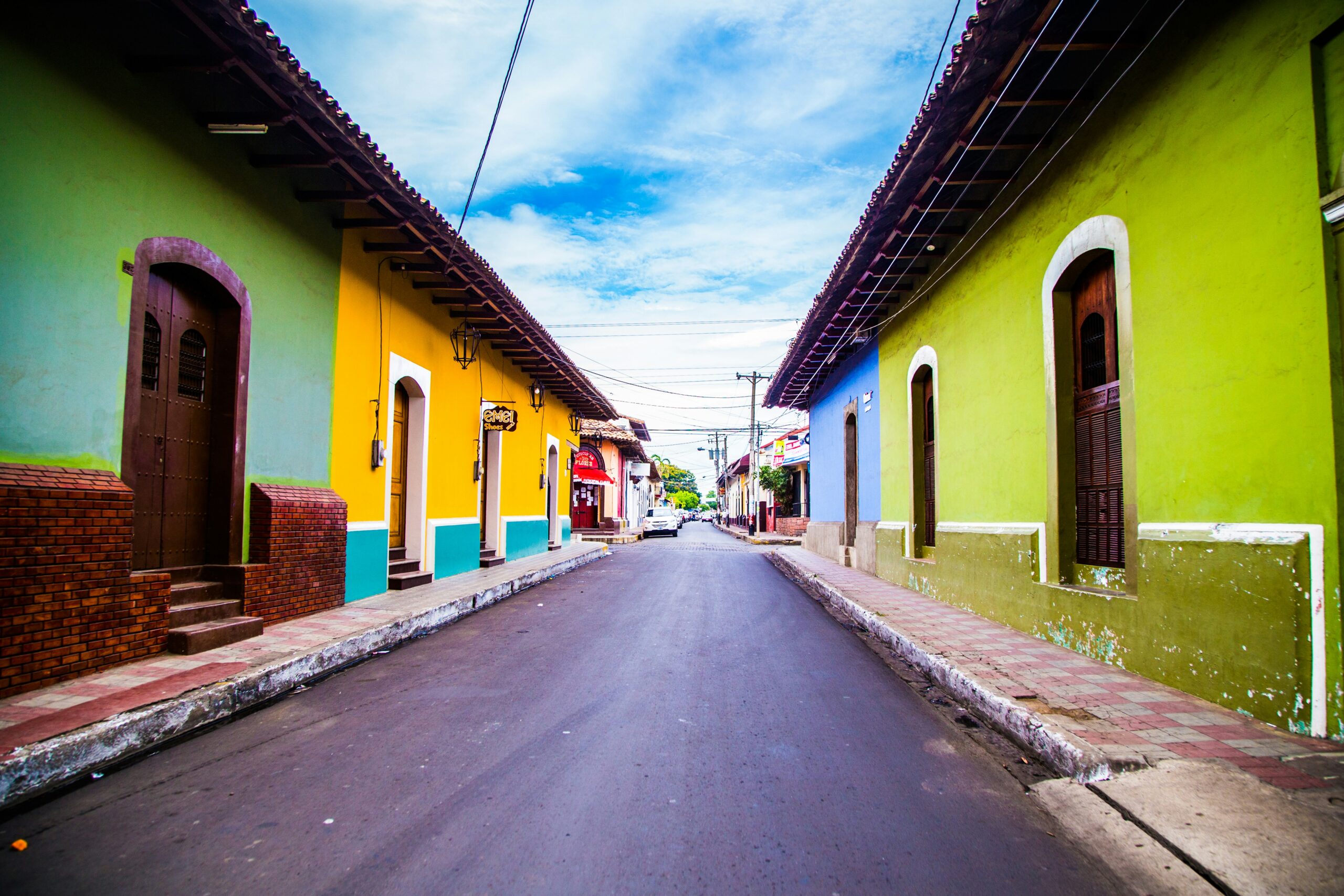
Introduction
Traveling in Brazil or talking with Brazilian friends often means encountering delicious local snacks. This article teaches useful Portuguese phrases for asking about local snacks, so beginners can order, ask questions, and understand common replies. All Portuguese examples use Brazilian Portuguese and are beginner-friendly.
Why learning snack phrases helps
Knowing how to ask about snacks does more than satisfy hunger. It opens conversations, shows cultural interest, and helps you read menus and signs. Simple snack phrases are quick to learn and very practical in markets, bakeries, bakeries called padarias, street stalls, and cafés.
Key vocabulary for local snacks
Below are common words you will see or hear. The first appearance of the main terms is highlighted.
lanche — snack or light meal
salgado — savory snack (often fried or baked, like pastéis or coxinha)
doce — sweet
pastel — deep-fried pastry with filling, popular at markets
coxinha — chicken croquette shaped like a teardrop
pão de queijo — small cheese bread, a typical Minas Gerais snack
biscoito — cookie or biscuit
brigadeiro — chocolate truffle made with condensed milk, common at parties
caldo de cana — sugarcane juice often sold at street stalls
suco — fruit juice
Basic questions to ask about snacks
These simple questions let you ask what snacks are available, ingredients, and recommendations. The first key phrase is emphasized.
O que você recomenda? — What do you recommend?
O que você recomenda? is useful when you want a suggestion from the seller or waiter.
Tem algum lanche sem carne? — Do you have any snack without meat?
Tem algum lanche sem carne? helps when you are vegetarian or just avoiding meat.
Isso é doce ou salgado? — Is this sweet or savory?
Isso é doce ou salgado? is handy at bakeries or display cases where looks can be confusing.
Quais são os ingredientes? — What are the ingredients?
Quais são os ingredientes? is important for allergies and dietary restrictions.
Tem gluten? — Does it have gluten?
Tem glúten? (note Portuguese accent glúten) is an essential question for people with celiac disease or gluten sensitivity.
How to ask price and portion questions
Understanding cost and portion size saves surprises. Use these clear, polite questions.
Quanto custa? — How much is it?
Quanto custa? is the most common question when buying a snack.
É por unidade ou por porção? — Is it per unit or per portion?
É por unidade ou por porção? helps avoid paying for a larger portion than expected.
Tem opção pequena? — Do you have a small option?
Tem opção pequena? is useful in cafés that offer different sizes.
Polite phrases and useful responses
Politeness matters. These short phrases will help you interact smoothly with vendors and staff.
Por favor — Please
Obrigado / Obrigada — Thank you (male/female speaker)
Pode me mostrar? — Can you show me?
Pode me mostrar? is helpful when pointing at items behind a counter or in a display.
Eu vou querer isso. — I’ll have this.
Eu vou querer isso. is a natural way to place an order after pointing or deciding.
Mais alguma coisa? — Anything else?
Mais alguma coisa? is often used by vendors to ask if you want more items.
Simple replies you will hear
Listen for these common seller replies so you can understand basic answers.
Sim — Yes
Não — No
Está quente — It’s hot
Acabou — It’s finished/sold out
Tem fresquinho — There’s fresh one
Tem fresquinho suggests the item was recently made.
Beginner-friendly example phrases for ordering snacks
Short phrases you can use directly in cafés, padarias, or street stalls.
Eu quero um pão de queijo, por favor. — I want one pão de queijo, please.
Quanto custa o pastel? — How much is the pastel?
Você tem coxinha sem pimenta? — Do you have coxinha without chili?
Tem brigadeiro para levar? — Do you have brigadeiro to take away?
Eu sou alérgico a amendoim. Tem amendoim nisso? — I am allergic to peanuts. Does this have peanuts in it?
Short dialogues for realistic practice
Use these dialogues to hear flow and polite exchange. Each line remains simple for beginners.
Cliente: O que você recomenda?
Vendedor: O pão de queijo é muito bom. Quer experimentar um?
Cliente: Sim, por favor. Quanto custa?
Vendedor: R$ 3,00 cada.
Cliente: Eu vou querer dois. Obrigado.
Cliente: Tem algum lanche sem carne?
Atendente: Tem o pão de queijo e o pastel de queijo.
Cliente: Ótimo. Eu quero o pastel de queijo, por favor.
Atendente: Mais alguma coisa?
Cliente: Não, obrigado.
Understanding menus and labels
Menus often use short words and abbreviations. Learn to spot these key terms to decide quickly.
Fatia — slice
Inteiro — whole
Para viagem — to go
Pra cá — here (colloquial for eat in)
Sem — without
Sem is used to request omissions, for example Sem cebola meaning without onion.
Practical tips for beginners
Small habits make interactions smoother in Brazil.
Point to the item if you are unsure about pronunciation.
Always use por favor and obrigado/obrigada to sound polite.
Speak slowly and clearly; vendors are used to tourists and will often repeat or simplify.
Carry small notes of common snack names to show if needed, like pão de queijo, coxinha, pastel.
Common beginner mistakes and how to fix them
Beginners often make simple errors that can be quickly corrected.
Mistake: Using o que você recomenda with incorrect pronunciation. Tip: Stress the second syllable in recomenda: re-co-men-DA.
Mistake: Forgetting gender agreement. Example: Eu sou alérgico vs Eu sou alérgica. Tip: Match obrigado/obrigada and adjectives to your gender.
Mistake: Saying tem glúten? with too soft a g. Tip: Pronounce glúten like GLOO-ten (gl written like g in go).
Extra useful snack-related phrases
É por aqui? — Is it this way? Useful when asking where the bakery or stall is.
Tem opção vegana? — Do you have a vegan option?
Posso experimentar? — Can I try/taste?
Você aceita cartão? — Do you accept card?
Conclusion
Learning a few key phrases makes buying local snacks in Brazil easy and enjoyable. Use the vocabulary, simple questions, polite replies, and short dialogues in this article to feel confident at markets, padarias, and street stalls. Practice the phrases slowly, listen for common seller replies, and enjoy tasting Brazil one lanche at a time.