Introduction
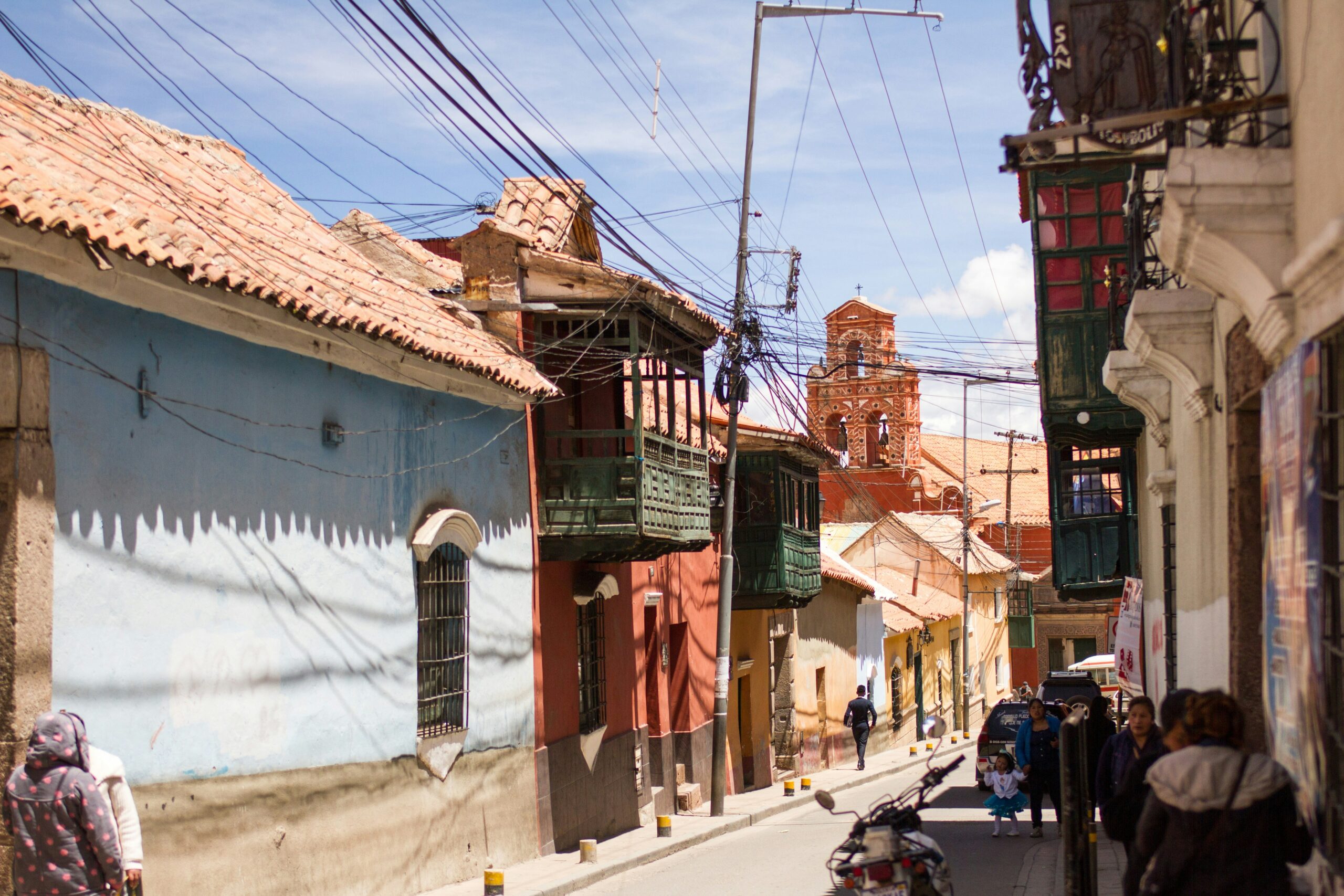
Learning how to express travel and movement is essential for anyone studying Portuguese, whether you plan to explore Brazil, Portugal, or other Portuguese-speaking countries. The verb viajar represents one of the most fundamental concepts in language learning, as it encompasses the exciting world of journeys, trips, and adventures. Understanding this versatile verb opens doors to countless conversations about vacations, business trips, cultural experiences, and personal adventures. In Brazilian Portuguese, viajar is used daily by millions of speakers to discuss everything from quick weekend getaways to life-changing international expeditions. This comprehensive guide will explore every aspect of viajar, from its etymology and pronunciation to practical usage in everyday conversations. By mastering this verb and its various applications, you’ll be well-equipped to discuss travel plans, share experiences, and connect with Portuguese speakers around the world.
Meaning and Definition
Core Definition
The Portuguese verb viajar means to travel, to journey, or to take a trip. It refers to the act of moving from one place to another, typically over a considerable distance, whether for leisure, business, education, or other purposes. When someone uses viajar, they are describing the action of leaving their usual location to visit another destination, which could be within the same country or abroad.
Etymology and Historical Context
The word viajar has fascinating linguistic roots that connect it to other Romance languages. It derives from the Latin word viāticum, which originally meant provisions for a journey or travel money. The Latin term comes from via, meaning road or way, which also gave us words like via in English. Over centuries, as Latin evolved into Portuguese, viāticum transformed into viagem (the noun for journey or trip), and the verb form viajar developed to express the action of traveling. This etymological journey reflects how deeply the concept of movement and exploration is embedded in Portuguese language and culture. Interestingly, the same Latin root gave us similar words in Spanish (viajar), Italian (viaggiare), and French (voyager), showing the shared linguistic heritage across Romance languages.
Grammatical Classification
The verb viajar is classified as a regular verb of the first conjugation in Portuguese, meaning it follows the -ar ending pattern. This makes it relatively straightforward to conjugate across different tenses and moods. As an intransitive verb, viajar typically does not take a direct object, though it frequently appears with prepositional phrases indicating destination, such as viajar para (to travel to) or viajar de (to travel by/from).
Semantic Range and Nuances
Beyond its literal meaning, viajar can carry figurative connotations in Brazilian Portuguese. Sometimes it describes a mental journey or daydreaming, as in the expression estar viajando, which colloquially means to be spaced out or lost in thought. The verb can also suggest experiencing something deeply moving or transcendent, particularly in artistic or spiritual contexts. Understanding these nuanced meanings helps learners appreciate the full expressive potential of viajar in everyday Brazilian Portuguese conversation.
Usage and Example Sentences
Basic Travel Statements
Eu gosto de viajar nas férias.
I like to travel during vacations.
Eles vão viajar para o Nordeste no verão.
They are going to travel to the Northeast in the summer.
Minha família costuma viajar de carro.
My family usually travels by car.
Past Tense Examples
No ano passado, nós viajamos para a Europa pela primeira vez.
Last year, we traveled to Europe for the first time.
Quando eu era criança, eu viajava muito com meus pais.
When I was a child, I used to travel a lot with my parents.
Future and Planning Contexts
Vou viajar sozinho pela primeira vez no próximo mês.
I am going to travel alone for the first time next month.
Se eu tiver dinheiro suficiente, viajarei para o Japão.
If I have enough money, I will travel to Japan.
Questions and Conversational Usage
Você já viajou de avião?
Have you ever traveled by plane?
Para onde você quer viajar este ano?
Where do you want to travel this year?
Colloquial and Idiomatic Expressions
Ele está viajando na maionese com essas ideias malucas.
He is being totally unrealistic with these crazy ideas. (colloquial expression meaning to be completely off-base)
Synonyms, Antonyms, and Word Usage Differences
Common Synonyms
While viajar is the standard term for traveling in Portuguese, several related words convey similar meanings with slight variations. The verb percorrer means to travel through or traverse, often implying covering a distance or exploring an area thoroughly. For example, percorrer o Brasil suggests traveling throughout Brazil, emphasizing the journey itself. Another synonym is deslocar-se, which means to move or displace oneself, though this term is more formal and clinical, often used in technical or official contexts.
The verb passear carries a lighter connotation than viajar, suggesting a leisurely stroll, outing, or short trip rather than serious travel. You might use passear for a weekend trip to a nearby town, while reserving viajar for more significant journeys. Similarly, turistar means to tour or do tourism, but this word is less common and more specific to tourist activities.
Related Terms and Expressions
Several nouns and expressions relate closely to viajar. The noun viagem means journey, trip, or voyage, and is perhaps the most frequently used related term. A viajante is a traveler, while turista specifically refers to a tourist. The phrase fazer uma viagem (to take a trip) is interchangeable with viajar in many contexts, though the verb form is generally more concise.
Antonyms and Contrasting Concepts
The most direct antonym of viajar would be ficar, meaning to stay or remain. When someone says prefiro ficar em casa (I prefer to stay home), they are expressing the opposite desire from wanting to viajar. Another contrasting term is permanecer, which means to remain or stay put, often with more permanent connotations.
The verb sedentarizar-se describes becoming sedentary or settling down, which philosophically opposes the mobile, exploratory nature of viajar. In broader terms, radicar-se (to establish roots) or estabelecer-se (to settle down) represent lifestyle choices contrary to constant travel.
Usage Distinctions and Contextual Choices
Choosing between viajar and its synonyms depends on context, formality, and the specific nuance you wish to convey. Use viajar for general travel statements in both formal and informal settings. Select passear when discussing casual outings or leisurely trips that lack the seriousness associated with travel. Choose percorrer when emphasizing the route or the act of covering distance, especially in descriptive or literary contexts. Opt for deslocar-se in formal writing, particularly in business, academic, or official documents where movement needs to be described professionally.
Pronunciation and Accent
Phonetic Transcription
In Brazilian Portuguese, the verb viajar is pronounced as [vi.a.ˈʒaʁ] in IPA notation. This transcription reveals several important aspects of Brazilian Portuguese phonology that learners should understand and practice carefully.
Syllable Breakdown
The word viajar consists of three syllables: vi-a-jar. The stress falls on the final syllable (jar), making it an oxytone word in Portuguese grammatical terminology. This stress pattern is typical for infinitive verbs ending in -ar. Understanding where stress falls is crucial for proper pronunciation and comprehension, as misplaced stress can sometimes change meaning or make words difficult to understand.
Sound-by-Sound Analysis
The initial sound [v] is a voiced labiodental fricative, produced similarly to English. The first syllable vi is straightforward, with a short, clear [i] vowel sound. The middle syllable a contains an open vowel [a], pronounced as in father. The most distinctive feature for English speakers learning Brazilian Portuguese is the final syllable jar.
The letter j in Portuguese represents the sound [ʒ], which is a voiced postalveolar fricative, similar to the s in English pleasure or the g in beige. This sound does not exist in all varieties of English, so learners should practice it carefully. The final r in Brazilian Portuguese has regional variations, but in most of Brazil, particularly in São Paulo and Rio de Janeiro, it is pronounced as [ʁ], a voiced uvular fricative similar to the French r. In some regions, particularly in the interior and in southern Brazil, this r might be pronounced as a tapped [ɾ] or trilled [r].
Common Pronunciation Challenges
English speakers often struggle with several aspects of pronouncing viajar correctly. The combination of vowels ia in the first part of the word should be pronounced as two separate syllables, not as a diphthong. Each vowel maintains its distinct sound: [i] followed by [a]. Another common challenge is the j sound, which English speakers might mistakenly pronounce as the English j sound in jump. Remember that Portuguese j always sounds like the s in pleasure.
The final r requires particular attention, as English speakers tend to pronounce it as an English r sound. In Brazilian Portuguese, this final r should be produced further back in the throat, creating a more guttural sound. Practice is essential to master this distinctively Brazilian phonetic feature.
Regional Variations
While this guide focuses on Brazilian Portuguese, it is worth noting that pronunciation varies across Brazil’s vast geography. The carioca (Rio de Janeiro) accent tends to pronounce the final r as [χ], a voiceless uvular fricative, giving it a slightly harsher sound. The paulista (São Paulo) accent uses a similar but often softer [ʁ]. In southern states like Rio Grande do Sul, you might hear a rolled or tapped r, reflecting the influence of European immigration. In northeastern Brazil, the r can vary from a softer [h] sound to the more standard Brazilian [ʁ].
Native Speaker Nuance and Usage Context
Formal versus Informal Contexts
The verb viajar is perfectly appropriate in both formal and informal situations, making it a versatile addition to your Portuguese vocabulary. In business contexts, you might hear phrases like vou viajar a negócios (I am going to travel on business) or preciso viajar para uma conferência (I need to travel for a conference). These statements are professional and clear, suitable for workplace communications.
In casual conversations among friends and family, viajar appears frequently in relaxed, colloquial expressions. Young Brazilians might say vamos viajar juntos (let’s travel together) when planning adventures, or você viaja muito! (you travel a lot!) when commenting on someone’s lifestyle. The verb maintains its meaning across registers while the surrounding language and tone adjust to the social context.
Colloquial Expressions and Slang
Brazilian Portuguese speakers use viajar in several idiomatic expressions that extend beyond literal travel. The phrase estar viajando means to be spacing out, daydreaming, or not paying attention. If someone says você está viajando?, they are asking if you are lost in thought or not following the conversation. This usage is common in informal speech and reflects how physical journey metaphors extend to mental states.
Another colloquial expression is viajar na maionese, which literally means to travel in mayonnaise but idiomatically means to be completely unrealistic, to have one’s head in the clouds, or to be delusional about something. This colorful phrase is particularly popular among younger speakers and in informal settings. When someone says ele está viajando na maionese, they mean that person is being totally unrealistic or having absurd ideas.
Cultural Context and Social Significance
In Brazilian culture, viajar carries significant social and aspirational weight. Travel is often associated with personal growth, freedom, and social status. When Brazilians discuss travel, they frequently share emotional experiences, family traditions, and personal dreams. The question para onde você quer viajar? (where do you want to travel?) often opens conversations about aspirations, bucket lists, and life goals rather than merely discussing logistics.
Brazilians are generally warm and enthusiastic when discussing travel experiences. Sharing travel stories is a common social bonding activity, and people often ask detailed questions about destinations, experiences, and recommendations. Understanding this cultural context helps learners engage more meaningfully in conversations about viajar.
Common Collocations and Natural Phrasing
Native speakers combine viajar with specific prepositions and phrases that create natural-sounding Portuguese. The most common pattern is viajar para (to travel to) followed by a destination: viajar para o exterior (to travel abroad), viajar para a praia (to travel to the beach). Another frequent collocation is viajar de (to travel by) followed by a mode of transportation: viajar de avião (to travel by plane), viajar de ônibus (to travel by bus).
Native speakers also use viajar with adverbs that describe how they travel: viajar sozinho (to travel alone), viajar acompanhado (to travel with company), viajar barato (to travel cheaply). These natural combinations help create fluent, authentic-sounding Portuguese speech.
Frequency and Everyday Usage
The verb viajar appears regularly in everyday Brazilian Portuguese conversation, particularly in urban areas where travel for work and leisure is common. During holiday seasons, especially summer vacation in January and February, discussions about viajar dominate casual conversations. The frequency of use increases in middle-class and upper-middle-class contexts, where domestic and international travel is more accessible.
In media, advertising, and social media, viajar appears constantly in travel blogs, tourism promotions, and personal posts documenting journeys. Instagram captions, Facebook posts, and YouTube vlogs about travel regularly feature conjugations of viajar, making it a highly visible and relevant verb for modern Portuguese learners.
Register and Style Considerations
While viajar works across different registers, native speakers might choose alternative expressions in extremely formal written Portuguese. In academic writing or official reports, you might encounter the more formal deslocar-se or realizar uma viagem (to undertake a journey). However, for most purposes, including professional communication, business correspondence, and formal conversation, viajar remains the natural and preferred choice.
In literary contexts, authors might employ viajar metaphorically to describe emotional or spiritual journeys, internal explorations, or philosophical wanderings. This poetic usage enriches the verb’s semantic range and demonstrates its flexibility in Portuguese expression.
Conclusion
Mastering the Portuguese verb viajar equips language learners with an essential tool for discussing one of life’s most enriching experiences: travel. From its Latin roots in via and viāticum to its modern usage in Brazilian Portuguese, viajar carries centuries of linguistic evolution and cultural significance. Understanding not only its literal meaning but also its colloquial expressions, pronunciation nuances, and social contexts enables learners to communicate more naturally and authentically with Portuguese speakers. Whether discussing vacation plans, business trips, or metaphorical journeys of self-discovery, viajar serves as a versatile and frequently used verb in everyday conversation. By practicing the pronunciation patterns, especially the challenging j sound and final r, learners can improve their overall Portuguese phonology. By exploring synonyms, antonyms, and contextual usage, students develop a more sophisticated understanding of how native speakers choose their words. As you continue your Portuguese learning journey, remember that viajar represents more than just movement from place to place—it embodies the human spirit of exploration, curiosity, and connection that transcends language barriers and unites cultures around the world.