Introduction
Learning the Portuguese word livre opens up a world of expression related to freedom, availability, and independence. This versatile adjective appears frequently in everyday Brazilian Portuguese conversation, literature, and media. Whether you’re discussing personal freedom, checking if a seat is available, or describing someone who lives without constraints, understanding livre is essential for effective communication. This comprehensive guide explores the meaning, pronunciation, usage, and cultural context of this important Portuguese word. By mastering livre and its various applications, you’ll enhance your ability to express concepts of liberty and availability with confidence and precision.
Meaning and Definition
Primary Meanings
The word livre functions as an adjective in Portuguese with several interconnected meanings. At its core, livre means free in the sense of not being imprisoned, enslaved, or restricted. It can describe a person who has liberty, a space that is unoccupied, or something that is available without cost or obligation.
Etymology and Origins
The Portuguese term livre derives from the Latin word liber, which meant free or independent. This Latin root is shared across Romance languages, appearing as libre in Spanish and French, libero in Italian, and free in English through Germanic influences. The evolution from Latin liber to Portuguese livre reflects the natural phonetic changes that occurred as Latin transformed into the various Romance languages of the Iberian Peninsula. Understanding this etymological connection helps learners recognize related words across different languages and deepens comprehension of the concept’s historical significance in Western culture.
Contextual Nuances
The word livre carries different nuances depending on context. When describing a person, livre emphasizes personal freedom and autonomy. When referring to objects or spaces, it indicates availability or vacancy. In philosophical or political discussions, livre evokes concepts of liberty and rights. Brazilian Portuguese speakers use livre naturally in casual conversation, making it a fundamental word for learners to master. The flexibility of this adjective allows it to describe physical freedom, emotional independence, or practical availability with equal ease.
Usage and Example Sentences
Common Applications
Below are practical example sentences demonstrating how livre functions in everyday Brazilian Portuguese:
Você está livre amanhã à noite?
Are you free tomorrow night?
Esta cadeira está livre?
Is this chair free/available?
Ele vive uma vida livre de preocupações.
He lives a life free from worries.
A entrada é livre para crianças menores de cinco anos.
Admission is free for children under five years old.
Depois do trabalho, estou livre para conversar.
After work, I’m free to talk.
O país finalmente se tornou livre da ditadura.
The country finally became free from dictatorship.
Ela é uma pessoa muito livre e independente.
She is a very free and independent person.
Há alguma mesa livre no restaurante?
Is there any free table in the restaurant?
O estacionamento é livre aos domingos.
Parking is free on Sundays.
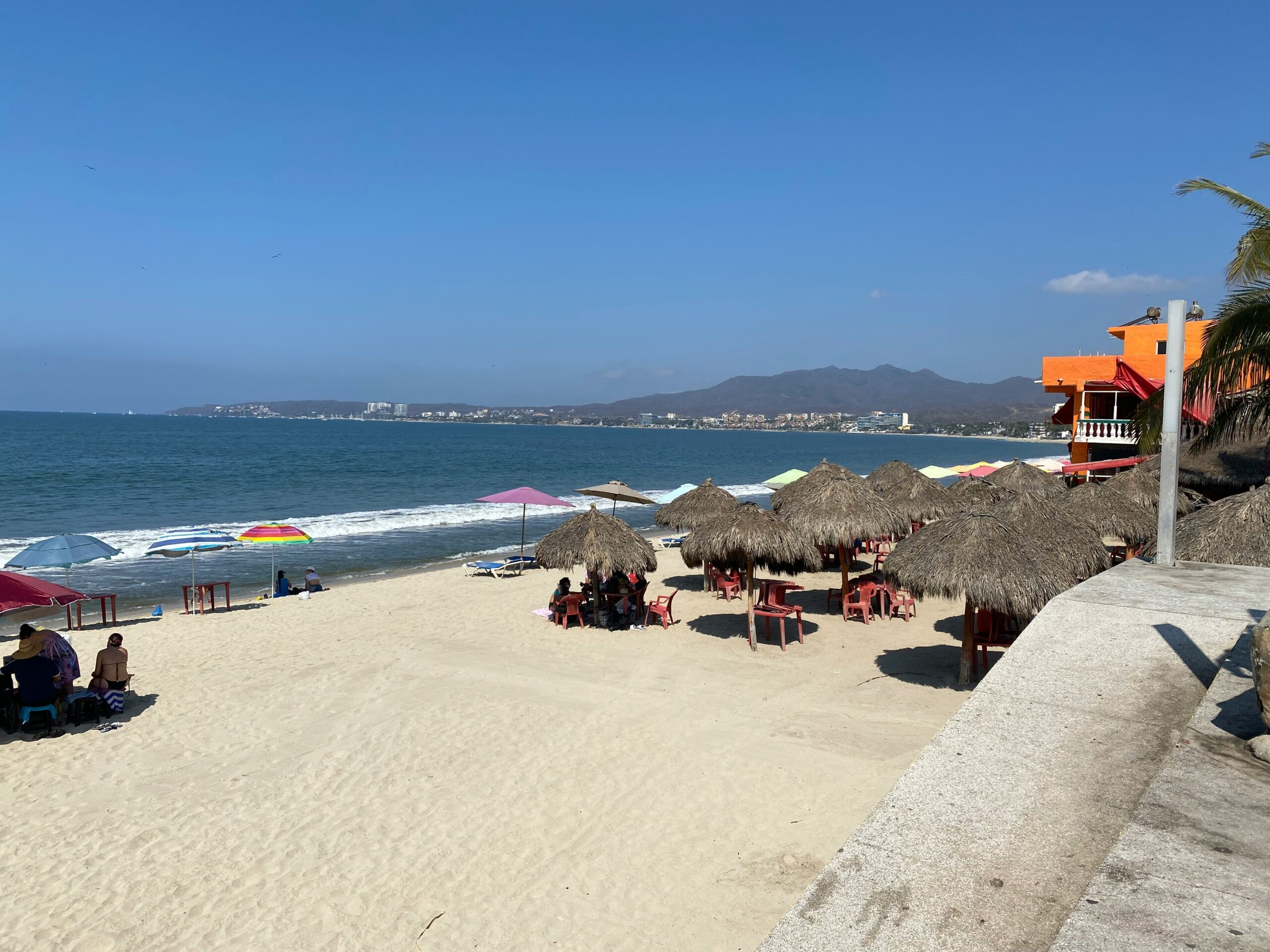
Sinto-me livre quando estou na praia.
I feel free when I’m at the beach.
Synonyms, Antonyms, and Word Usage Differences
Synonyms
Several Portuguese words share similar meanings with livre, though each carries distinct connotations. The word desocupado emphasizes that something is unoccupied or vacant, particularly when referring to spaces or schedules. Disponível focuses more on availability and readiness, often used in professional or formal contexts. Solto suggests something that is loose or released from constraints, frequently used for physical objects or animals. Independente emphasizes self-sufficiency and autonomy rather than mere freedom from restriction. Understanding these subtle differences helps learners choose the most appropriate word for specific situations.
Antonyms
The primary antonym of livre is ocupado, meaning busy or occupied. When referring to personal freedom, preso (imprisoned or trapped) serves as a direct opposite. Dependente contrasts with the independence aspect of livre, while reservado indicates something that is reserved rather than available. In contexts discussing cost, pago (paid) opposes the free-of-charge meaning of livre. These contrasting terms help learners understand the full semantic range of livre through opposition.
Usage Distinctions
Brazilian Portuguese speakers distinguish between grátis and livre when discussing cost. While both can mean free, grátis specifically refers to something without monetary cost, whereas livre in this context implies free admission or access. For example, entrada grátis emphasizes no payment required, while entrada livre suggests open access without restrictions. This subtle distinction matters in commercial and service contexts where precision about pricing and access conditions is important for clear communication.
Pronunciation and Accent
IPA Notation
The International Phonetic Alphabet representation for livre in Brazilian Portuguese is [ˈli.vɾi]. This notation indicates the stress pattern, vowel quality, and consonant articulation specific to Brazilian pronunciation standards.
Pronunciation Breakdown
The word livre consists of two syllables: li-vre. The first syllable LI receives the primary stress and is pronounced with a clear [i] sound, similar to the English ee in see. The second syllable VRE contains a tap or flap R sound [ɾ], characteristic of Brazilian Portuguese, followed by a final [i] sound. English speakers often struggle with the R sound, which should be produced with a single tap of the tongue against the alveolar ridge, lighter than the English R. The final E is pronounced as [i] in Brazilian Portuguese, not as a schwa or silent letter as in some other Romance languages.
Regional Variations
While the pronunciation of livre remains relatively consistent across Brazil, some regional variations exist. In Rio de Janeiro and surrounding areas, speakers may produce a slightly more palatalized final sound. In southern Brazil, particularly in regions influenced by European immigration, the R might sound slightly different, though still maintaining the characteristic Brazilian tap. These variations are minor and do not impede comprehension across different Brazilian regions.
Native Speaker Nuance and Usage Context
Colloquial Expressions
Brazilian Portuguese speakers incorporate livre into various idiomatic expressions and colloquial phrases. The expression livre, leve e solto (free, light, and loose) describes someone who is completely carefree and unburdened. When someone says estou livre como um pássaro (I’m free as a bird), they’re emphasizing complete freedom and lack of constraints. The phrase ar livre (open air) appears frequently when discussing outdoor activities. These expressions reveal how deeply the concept of freedom is embedded in Brazilian cultural expression and everyday communication.
Formal vs. Informal Usage
The word livre functions appropriately in both formal and informal contexts, making it a versatile addition to any learner’s vocabulary. In business settings, professionals might ask está livre para uma reunião (are you available for a meeting) using the same word that friends use when making casual plans. Legal and political documents frequently employ livre when discussing rights and liberties. This adaptability across registers makes livre essential for learners who need to navigate different social and professional situations in Portuguese-speaking environments.
Cultural Context
In Brazilian culture, the concept of being livre carries significant emotional and social weight. Brazil’s history includes periods of colonization and dictatorship, making freedom a cherished value in contemporary society. The word appears in national discussions about democracy, human rights, and personal autonomy. Understanding this cultural background helps learners appreciate why livre resonates so deeply in Brazilian Portuguese conversation. When Brazilians use livre to describe lifestyle choices or personal decisions, they’re often invoking a broader cultural value of individual liberty and self-determination.
Common Mistakes to Avoid
Language learners sometimes confuse livre with grátis, using them interchangeably when discussing costs. While both can indicate something is free, the distinction matters in formal contexts. Another common error involves gender agreement; learners must remember that livre must match the gender and number of the noun it modifies. For masculine plural, it becomes livres, maintaining the same form for both genders but adding the plural S. Beginners also sometimes mispronounce the final E as a schwa sound, when it should be a clear [i] in Brazilian Portuguese. Practicing these distinctions helps develop more natural-sounding Portuguese speech.
Additional Linguistic Features
Word Family and Derivatives
The word livre belongs to a family of related Portuguese terms. The noun liberdade means freedom or liberty, representing the abstract concept behind the adjective. The verb libertar means to free or liberate someone or something. The noun livraria, despite its similar appearance, means bookstore and derives from livro (book), a false friend that learners should distinguish from livre. Understanding these related words helps learners build vocabulary networks and recognize patterns in Portuguese word formation.
Grammatical Considerations
As an adjective, livre follows Portuguese agreement rules, changing to match the number of the noun it modifies. The singular form livre serves for both masculine and feminine nouns (homem livre, mulher livre). For plural nouns, add S to create livres (homens livres, mulheres livres). Position-wise, livre typically follows the noun it modifies, though it can precede for emphasis or stylistic effect. This flexibility allows speakers to adjust word order for rhetorical impact or to highlight particular aspects of freedom being discussed.
Frequency and Importance
The word livre ranks among the most frequently used adjectives in Portuguese, appearing regularly in spoken conversation, written texts, and media. Its high frequency makes it a priority word for learners at all levels. From beginner conversations about scheduling and availability to advanced discussions about philosophy and politics, livre remains relevant across proficiency levels. Mastering this word early in your Portuguese learning journey provides immediate practical benefits and forms a foundation for understanding more complex expressions involving freedom and availability.
Conclusion
Mastering the Portuguese word livre equips learners with an essential tool for expressing concepts of freedom, availability, and independence in Brazilian Portuguese. From its Latin origins to its modern applications in everyday conversation, livre carries cultural significance while remaining practical and versatile. By understanding the pronunciation patterns, usage contexts, and subtle distinctions from related words, learners can employ livre confidently across formal and informal settings. The word’s flexibility in describing personal liberty, physical availability, or cost-free access makes it indispensable for effective communication. Continue practicing livre in various contexts, paying attention to how native speakers use it naturally, and you’ll develop an intuitive sense for this fundamental Portuguese adjective that opens doors to richer, more nuanced expression.