Introduction
Asking someone to hold your place is a common social need—at a café, in line, or at a table. This article teaches polite Brazilian Portuguese ways to say Could you save my place? for English-speaking learners at beginner to intermediate levels. Learn useful phrases, tone tips, and natural follow-ups to sound polite and confident in everyday situations.
- Why wording and tone matter
- Basic polite phrases to ask someone to save your place
- Contextual examples and short dialogues
- Politeness markers and useful additions
- Polite refusals and how to respond
- Regional and casual variations
- Pronunciation tips
- Politeness level checklist
- Quick reference phrases
- Common mistakes to avoid
- Extra useful vocabulary
- Conclusion
Why wording and tone matter
Politeness in Brazilian Portuguese depends on both phrasing and tone. A gentle voice and friendly body language make simple phrases feel respectful. In Brazil, people often prefer indirect or softened requests rather than commanding forms, especially with acquaintances or strangers.
Formal vs. informal situations
Choose more formal language with strangers, service staff, or older people. Use informal language with friends, classmates, or colleagues. For the first occurrence of key terms we highlight the Portuguese word in bold, and later we use emphasis.
Basic polite phrases to ask someone to save your place
Below are common, polite ways to ask Could you save my place? in Brazilian Portuguese. Each phrase includes a short explanation and an example situation.
Simple and polite
Você pode guardar meu lugar?
This is a direct but polite way to ask someone to hold your spot. Use it with people you already know or with staff. The verb guardar means to keep or save.
Você pode segurar meu lugar?
Segurar literally means to hold. This is equally polite and common. Use it when you need the person to physically hold an item or simply to keep a seat reserved.
Softer and more indirect
Será que você pode guardar meu lugar?
Adding Será que softens the request, making it sound more tentative and very polite. This is good with strangers or when you want to be extra courteous.
Você se importaria de guardar meu lugar?
This uses a conditional and translates to Would you mind saving my place? It is formal and very polite, suitable in many social contexts.
Very casual phrases
Guarda meu lugar pra mim?
Use this with close friends or people your age. The verb is in the imperative but casual, and the phrase is shorter and friendly.
Segura meu lugar?
Another informal option. This is common among young people and in very relaxed settings.
Contextual examples and short dialogues
Here are short scenes to show how these phrases appear naturally. Each example includes a note about tone and typical responses.
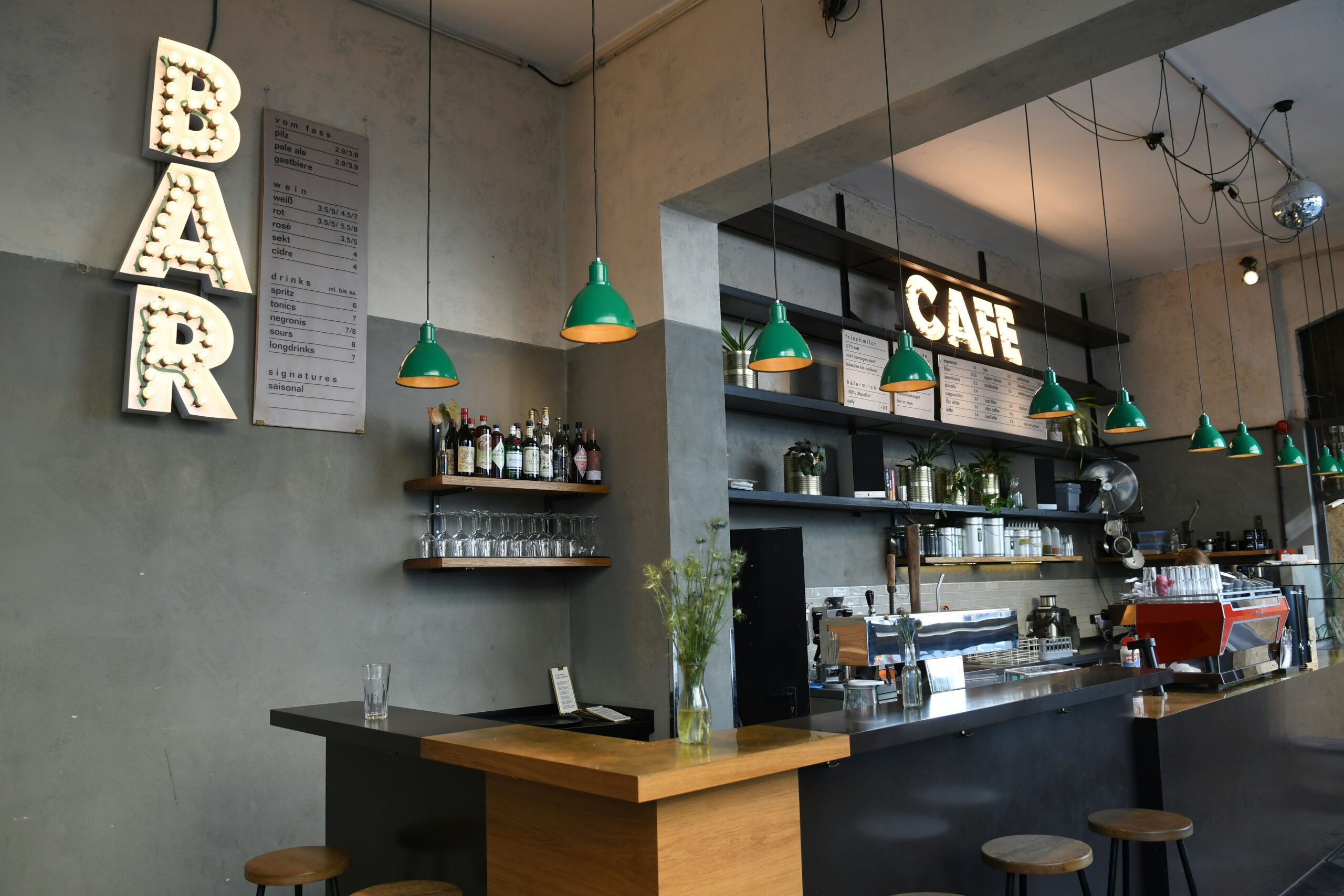
At a café
Situation: You need to grab a snack from the counter but your friend saved a table.
Você pode guardar meu lugar?
Claro, sem problema.
Usage note: This is a neutral, polite exchange. The response Claro, sem problema shows casual cooperation.
In a busy queue
Situation: You want to step away to use the restroom without losing your spot in line.
Será que você pode guardar meu lugar por cinco minutos?
Tudo bem, esperamos por você.
Usage note: Add a time estimate like por cinco minutos to set expectations and avoid misunderstandings.
At a concert or event
Situation: Your friend goes to buy water and asks a stranger to watch bags and seats.
Você se importaria de guardar nossos lugares enquanto a gente vai comprar água?
Posso, sem problema.
Usage note: For plural places use nossos lugares. People often respond positively when you explain briefly why you need help.
Politeness markers and useful additions
Adding certain words makes your request warmer and more polite. Here are common markers and how to use them.
Pleasantries and softeners
Por favor is the most direct please. Place it before or after the request: Por favor, você pode guardar meu lugar? or Você pode guardar meu lugar, por favor?
Desculpa or Com licença can precede the request to get attention politely: Desculpa, você pode guardar meu lugar?
Giving a reason
Adding a short reason helps people understand and usually increases cooperation. Examples:
Você pode guardar meu lugar? Vou ali no caixa.
Você pode segurar meu lugar? Eu preciso ir no banheiro.
Usage note: Keep the reason brief—people appreciate clarity.
Specifying time
Always specify how long when possible: Você pode guardar meu lugar por cinco minutos? or Você pode segurar meu lugar até eu voltar? This reduces confusion and makes the request easier to accept.
Polite refusals and how to respond
Not everyone can or will agree to save a place. Learn a few phrases to respond politely, both accepting and refusing.
Accepting
Claro, posso guardar. or Tudo bem, eu seguro pra você. These are friendly and common replies.
Refusing politely
Desculpa, não posso guardar agora. or Não tenho como guardar, desculpe. When refusing, adding a brief reason is courteous: Desculpa, não posso guardar agora, preciso cuidar de outra coisa.
How to reply if someone refuses
Obrigado(a) anyway or Tudo bem, obrigado(a). A polite thanks keeps the interaction pleasant and shows you accept the answer without pressure.
Regional and casual variations
Brazil is large and speech varies. Here are some regional and very casual alternatives you might hear.
Common slang and contractions
People often shorten phrases in spoken Brazilian Portuguese. Examples:
Guarda meu lugar? (contraction of guardar)
Segura aí meu lugar? (adding aí for emphasis)
Usage note: These are fine with friends but may sound too casual with strangers or older people.
Regional touches
In some areas people might add local expressions like beleza to show friendliness: Você pode guardar meu lugar? Beleza? This feels relaxed and affirmative.
Pronunciation tips
Pronunciation matters for being understood. Focus on these points:
Pronounce the r in guardar like an English h at the start of a syllable in many Brazilian accents: guardar sounds like goo-dar with a soft h for r.
Segurar has a similar r sound: seh-goo-har.
Será que is pronounced seh-RAH kah with stress on the second syllable of será.
Você is pronounced voh-SEH with stress on the second syllable.
Usage note: Brazilian pronunciation varies by region, but these guidelines work well for learners aiming for a neutral Brazilian accent.
Politeness level checklist
When choosing a phrase, consider these quick guidelines to match politeness level to context.
Formal or unknown people: Use Você se importaria de guardar meu lugar? or include por favor and desculpa.
Casual with friends: Use Guarda meu lugar pra mim? or Segura meu lugar?
Adding time: Always specify por X minutos if you’ll be away longer than a minute or two.
Giving a reason: Short reasons like vou ali no caixa or preciso ir ao banheiro help.
Quick reference phrases
Here is a compact list you can memorize for different levels of formality.
Formal polite: Você se importaria de guardar meu lugar?
Neutral polite: Você pode guardar meu lugar?
Softer: Será que você pode guardar meu lugar?
Casual: Guarda meu lugar pra mim?
Very casual: Segura meu lugar?
Common mistakes to avoid
Avoid sounding rude by not using please when needed, not specifying time, or using overly abrupt commands with strangers. Also avoid leaving ambiguous items—if you want someone to hold a physical object, mention it: Você pode guardar minha jaqueta? instead of just meu lugar if you mean an item.
Extra useful vocabulary
Short vocabulary list for related words you will encounter.
Lugar – place or seat. Use lugar for seats, spots in line, or reserved space.
Guardar – to save, keep, hold. Use guardar for saving a place or keeping an item.
Segurar – to hold. Use segurar when asking someone to physically hold something or to keep a seat.
Por favor – please. Use por favor to add politeness.
Desculpa – excuse me or sorry. Use desculpa to get attention politely.
Conclusion
Learning polite ways to say Could you save my place? helps you navigate social situations confidently in Brazil. Use formal phrases with strangers and softer or casual forms with friends. Add por favor, desculpa, a brief reason, and a time estimate to keep requests clear and polite. With a few phrases memorized and the tone right, you will make smooth, respectful interactions anywhere.