Introduction
Learning Portuguese vocabulary becomes more engaging when we explore words that capture the essence of sophistication and grace. The word elegante represents one of the most beautiful concepts in Brazilian Portuguese, encompassing not just physical appearance but also behavior, style, and refinement. This comprehensive guide will help you master this versatile adjective that native speakers use frequently in both formal and casual conversations.
Understanding elegante goes beyond simple translation. This word carries cultural nuances that reflect Brazilian appreciation for style, good taste, and sophisticated presentation. Whether describing a person, an object, a solution to a problem, or even an idea, elegante adds a layer of refinement that elevates ordinary descriptions into something more sophisticated and appealing.
Meaning and Definition
Primary Definition
Elegante is an adjective in Portuguese that describes something or someone characterized by grace, refinement, sophistication, and good taste. The word applies to physical appearance, behavior, style, solutions, and even abstract concepts. It suggests a harmonious combination of simplicity and sophistication that appears effortless yet carefully considered.
Etymology and Historical Development
The Portuguese word elegante derives from the Latin elegans, which originally meant to choose or select carefully. This etymology reveals the deeper meaning of the word: elegante implies careful selection, thoughtful consideration, and refined choice-making. The Latin root eligere means to pick out or choose, suggesting that elegance comes from making discerning choices rather than following trends blindly.
Throughout Portuguese language evolution, elegante maintained its connection to refined taste and sophisticated judgment. In Brazilian Portuguese, the word has expanded to describe not only people and their appearance but also solutions, ideas, mathematical proofs, and even simple everyday objects that demonstrate particular grace or refinement in their design or execution.
Nuanced Meanings
Brazilian Portuguese speakers use elegante in several nuanced ways. When describing people, it encompasses both physical presentation and behavioral sophistication. An elegante person dresses well, moves gracefully, speaks thoughtfully, and demonstrates good judgment in social situations. The word suggests someone who understands appropriate behavior across different contexts.
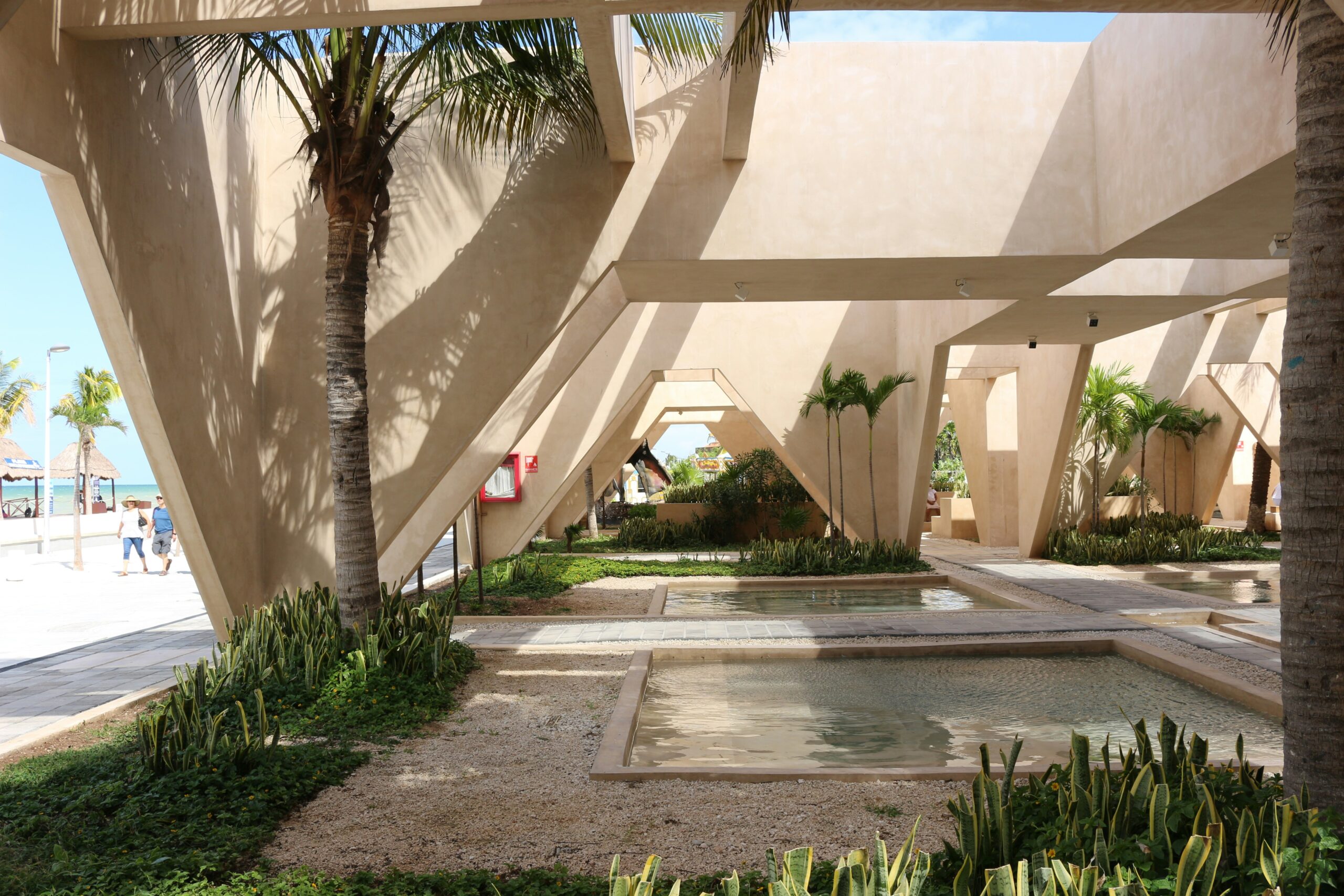
When applied to objects, elegante describes items with refined design, sophisticated functionality, or aesthetic appeal that appears effortless. A piece of furniture, a building, or even a mathematical solution can be elegante if it demonstrates sophisticated simplicity and thoughtful design principles.
Usage and Example Sentences
Describing People and Appearance
Ela sempre se veste de forma muito elegante para o trabalho.
She always dresses very elegantly for work.
O professor é um homem elegante que fala com muita educação.
The professor is an elegant man who speaks very politely.
Aquela senhora tem um jeito elegante de caminhar.
That lady has an elegant way of walking.
Describing Objects and Design
Esta mesa tem um design muito elegante e moderno.
This table has a very elegant and modern design.
O restaurante tem uma decoração elegante mas aconchegante.
The restaurant has elegant but cozy decoration.
Describing Solutions and Ideas
Ele encontrou uma solução elegante para resolver o problema.
He found an elegant solution to solve the problem.
A resposta da matemática foi surpreendentemente elegante.
The math answer was surprisingly elegant.
Describing Events and Occasions
A festa de casamento foi muito elegante e bem organizada.
The wedding party was very elegant and well organized.
Eles organizaram um jantar elegante para comemorar o aniversário.
They organized an elegant dinner to celebrate the anniversary.
Describing Behavior and Manners
Mesmo quando estava nervosa, ela manteve uma postura elegante.
Even when she was nervous, she maintained an elegant posture.
Synonyms, Antonyms, and Word Usage Differences
Common Synonyms
Brazilian Portuguese offers several synonyms for elegante, each with subtle differences. Refinado emphasizes sophistication and cultivation, often used for people with refined tastes or cultural knowledge. Sofisticado suggests complexity and worldliness, frequently applied to people, ideas, or objects with international appeal or advanced features.
Chique focuses more on fashionable style and trendy appeal, often used for clothing, restaurants, or events that are currently popular. Distinto emphasizes dignity and distinguished character, commonly used for people who stand out through their noble bearing or exceptional qualities. Gracioso highlights grace and charm, particularly in movement or behavior.
Key Antonyms
Understanding antonyms helps clarify the meaning of elegante. Grosseiro means crude or coarse, describing behavior or appearance that lacks refinement. Vulgar suggests poor taste or inappropriate behavior that violates social norms. Desajeitado means clumsy or awkward, the opposite of the graceful movement associated with elegance.
Simples can serve as an antonym when it means plain or unrefined, though it can also complement elegante when referring to sophisticated simplicity. Ordinário means common or unremarkable, lacking the distinctive quality that makes something elegante.
Usage Differences and Context
Context determines which synonym works best. In fashion contexts, chique might be more appropriate than elegante for describing trendy clothing, while elegante suggests timeless style. In academic or professional contexts, elegante often describes solutions, proofs, or presentations that demonstrate sophisticated simplicity.
Regional usage varies slightly. While elegante is universally understood across Brazil, some regions prefer certain synonyms. Urban areas might favor sofisticado for international appeal, while more traditional regions might emphasize distinto for its connection to dignity and proper behavior.
Pronunciation and Accent
Brazilian Portuguese Pronunciation
In Brazilian Portuguese, elegante is pronounced [e.le.ˈɡãn.tʃi]. The word carries four syllables with the stress falling on the third syllable, gan. The initial e sounds like the e in bed, the first le sounds like leh with a soft e, the stressed gan has a nasal sound similar to the French gant, and the final te is pronounced as tchi due to Brazilian palatalization.
Regional Pronunciation Variations
Across Brazil, pronunciation remains fairly consistent, though some regional variations exist. In Rio de Janeiro and surrounding areas, the final te might sound slightly more like tchi with a stronger palatalization. In northeastern regions, the pronunciation may be slightly more open, with the e sounds being more pronounced.
São Paulo and southern regions tend to pronounce elegante with clearer vowel sounds and less palatalization, making it sound closer to [e.le.ˈɡan.te]. However, these differences are subtle and all variations are perfectly acceptable and understood throughout Brazil.
European Portuguese Differences
European Portuguese pronunciation differs notably from Brazilian Portuguese. In Portugal, elegante is pronounced [ɨ.lɨ.ˈɣãn.tɨ] with reduced vowels and a different final sound. The Portuguese tend to reduce unstressed vowels, making them less distinct than in Brazilian pronunciation. The final te is pronounced as a simple te without the palatalization common in Brazilian Portuguese.
Native Speaker Nuance and Usage Context
Cultural Significance
For Brazilian speakers, elegante carries significant cultural weight. It represents an ideal that combines outer beauty with inner refinement, suggesting someone who has achieved harmony between appearance and character. This cultural appreciation for elegance reflects Brazilian values that emphasize personal presentation, social grace, and the ability to adapt one’s behavior to different social contexts.
In professional settings, describing someone as elegante implies they possess not only appropriate dress sense but also sophisticated communication skills and cultural awareness. This makes the word particularly valuable in business contexts where impression management is crucial.
Appropriate Usage Contexts
Native speakers use elegante across various formality levels, from casual conversations about fashion to formal presentations about design or problem-solving. In casual settings, friends might compliment each other’s outfit as elegante. In professional environments, colleagues might praise an elegante solution to a complex problem.
The word works well in written Portuguese for essays, articles, and formal communications. It appears frequently in fashion magazines, architecture reviews, and cultural criticism. Academic writing often employs elegante to describe theoretical solutions or methodological approaches that demonstrate sophisticated thinking.
Common Mistakes to Avoid
Language learners sometimes overuse elegante or apply it inappropriately. While the word is versatile, it shouldn’t describe everything attractive or well-made. Elegante specifically suggests refinement and sophistication, not just beauty or quality. A simple, functional object might be well-made without being elegante.
Another common mistake involves gender agreement. Since elegante ends in e, it remains the same for both masculine and feminine nouns: um homem elegante, uma mulher elegante. However, when used with plural nouns, it becomes elegantes: pessoas elegantes.
Advanced Usage Tips
Advanced Portuguese learners can enhance their usage by understanding when elegante combines effectively with other adjectives. Phrases like muito elegante, extremamente elegante, or simplesmente elegante each carry different emphatic meanings. The word also works well in comparative structures: mais elegante que (more elegant than) or o mais elegante (the most elegant).
Native speakers often use elegante in idiomatic expressions. Um toque elegante means an elegant touch, referring to a detail that elevates the overall impression. Sair elegante de uma situação means to handle a difficult situation with grace and sophistication, maintaining dignity despite challenges.
Conclusion
Mastering the word elegante opens doors to more sophisticated Portuguese expression and deeper cultural understanding. This versatile adjective enriches descriptions of people, objects, solutions, and ideas by adding layers of refinement and grace that native speakers immediately recognize and appreciate. Its etymology connecting to careful choice-making reminds us that true elegance comes from thoughtful decision-making rather than mere following of trends.
As you incorporate elegante into your Portuguese vocabulary, remember its cultural significance in Brazilian society. The word represents an ideal that combines outer presentation with inner sophistication, reflecting values that emphasize both personal style and character development. Whether describing a person’s behavior, an object’s design, or a solution’s sophistication, elegante adds a touch of refinement that elevates your Portuguese communication to a more sophisticated level. Practice using this word in various contexts to develop natural fluency and cultural awareness that will enhance your Portuguese language journey.