Introduction
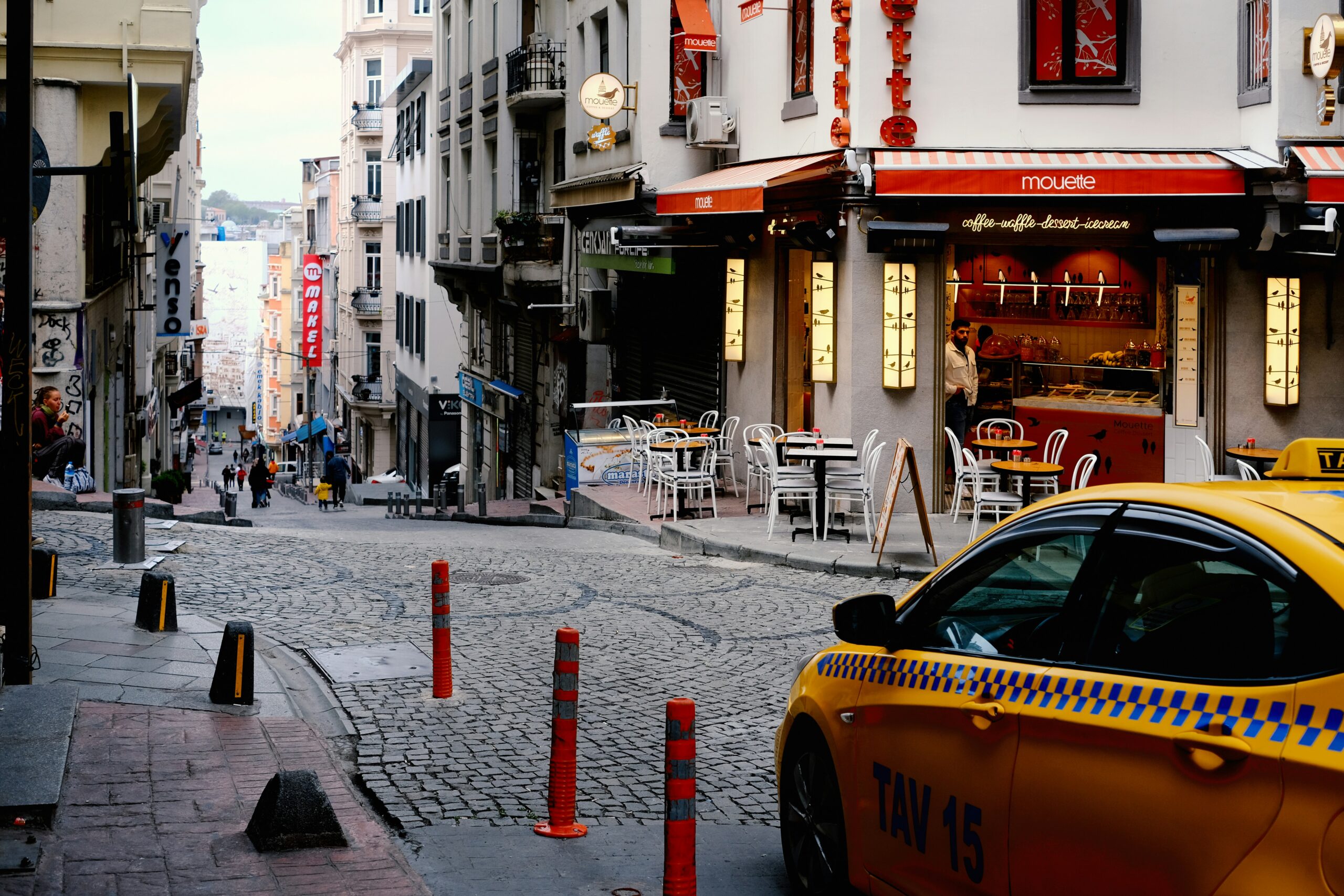
Learning basic nouns and how they change in sentences is a key step for any beginner in Brazilian Portuguese. This article focuses on two everyday words, O carro and A rua, showing how to use them correctly in simple phrases, questions, and short dialogues. You will learn grammar, pronunciation tips, useful vocabulary, and common beginner mistakes with clear examples you can practice right away.
- Why start with O carro and A rua
- Simple sentences with O carro
- Simple sentences with A rua
- Combining O carro and A rua in dialogue
- Using adjectives and agreement
- Asking questions and making requests
- Common beginner mistakes and how to avoid them
- Pronunciation tips for beginners
- Short practice activities
- Useful vocabulary list
- Conclusion
Why start with O carro and A rua
Both o carro and a rua are common in daily life: cars and streets appear in directions, transport, shopping, and conversations. They are also excellent for learning Portuguese gender (masculine and feminine), definite articles, plural forms, prepositions, and basic verb usage. These building blocks help you expand to many other nouns and sentences.
Basic vocabulary: forms and gender
Portuguese nouns have gender. Use O carro for the masculine singular article plus noun. Use A rua for the feminine singular article plus noun. Learn these forms visually and by speaking them aloud.
Singular forms:
O carro — the car
A rua — the street
Plural forms:
Os carros — the cars
As ruas — the streets
Simple sentences with O carro
Start with present tense and basic verbs. Here are realistic beginner sentences using O carro and its plural.
O carro está bonito.
O carro é novo.
Eu tenho um carro.
Onde está o meu carro?
Os carros estão na garagem.
Note the article changes: o for singular masculine, os for plural masculine.
Common verbs with O carro
Some frequent verbs beginners will use with o carro are ter (to have), estar (to be, temporary), ser (to be, permanent), dirigir (to drive), estacionar (to park), abrir (to open), fechar (to close), comprar (to buy), vender (to sell).
Examples:
Eu dirijo o carro todos os dias.
Ela estacionou o carro na rua.
Nós vendemos o carro antigo.
Simple sentences with A rua
Use A rua in directions, addresses, and descriptions. Practice these short sentences that reflect everyday situations.
A rua é larga.
Esta rua é perigosa à noite.
Onde fica a rua Principal?
Eu moro na rua das Flores.
As ruas do centro estão cheias.
Prepositions with A rua
Prepositions are essential for locations. Beginners should learn common combinations: na (em + a), na rua; na esquina; entre as ruas; até a rua; perto da rua.
Examples:
Estou na rua agora.
O banco fica na esquina da rua e da avenida.
Ande até a próxima rua.
Combining O carro and A rua in dialogue
Short dialogues are useful for practicing listening and speaking. Below are simple exchanges you might hear or use in Brazil.
Dialogue 1:
— Onde está o carro?
— O carro está na rua, perto do mercado.
Dialogue 2:
— Você viu meu carro azul?
— Sim, vi. Estava estacionado na rua João Pessoa.
Practical signs and real-life phrases
On streets and signs, you’ll see practical phrases using these nouns. Recognizing them helps with navigation and errands.
Estacionamento proibido — often near places where you should not leave a car.
Rua fechada — a closed street sign.
Entrada de veículos — vehicle entrance, refers to cars.
Using adjectives and agreement
Adjectives change to match the gender and number of the noun. This is a fundamental grammar point you will use immediately.
Examples with o carro:
O carro novo — the new car (masculine singular)
Os carros novos — the new cars (masculine plural)
Examples with a rua:
A rua longa — the long street (feminine singular)
As ruas longas — the long streets (feminine plural)
Practice sentences showing agreement
O carro vermelho está na garagem.
As ruas antigas têm calçamento.
Uma rua bonita fica perto daqui.
Asking questions and making requests
Beginners often need to ask for directions or information about cars and streets. Learn these simple question forms and polite requests.
Como eu chego na rua Victor Hugo?
Onde posso estacionar o carro?
Posso deixar o carro aqui?
Qual é o número da rua?
Short polite phrases
Por favor, deixe o carro no estacionamento.
Desculpe, você sabe onde fica a rua das Palmeiras?
Obrigado, a rua é fácil de encontrar.
Common beginner mistakes and how to avoid them
Being aware of typical errors will speed up progress. Here are common mistakes with corrections and explanations.
1. Wrong article gender: saying a carro instead of o carro. Remember carro is masculine, use o/um/este/esse accordingly.
2. Forgetting plural agreement: saying o carros instead of os carros. The article and adjective must match plural form.
3. Using estar vs ser incorrectly: use estar for temporary states and ser for permanent traits. Example: O carro está sujo (temporary). O carro é antigo (inherent age).
4. Preposition errors with rua: use na rua, not em rua without article when referring to a specific street. Use na for feminine nouns with definite article.
Pronunciation tips for beginners
Pronouncing these words correctly helps you be understood. Key points:
Carro: the rr in Brazilian Portuguese is a guttural sound similar to an English h in many regions, so carro sounds like kah-ho or ka-rru depending on accent. Practice with short words like carro, correr.
Rua: pronounced roo-ah (two syllables). The u is like oo in food and the a is pronounced. Say it slowly: roo-ah, then faster: rua.
Simple exercises to drill pronunciation
Repeat these sets out loud, first slowly then naturally:
O carro / Os carros
A rua / As ruas
Estacionar o carro / Andar pela rua
Short practice activities
Here are quick exercises a beginner can do daily to reinforce the words and structures in realistic contexts.
1. Label objects and places: write o carro on a picture of a car and a rua on a photo of a street.
2. Create 5 sentences: use o carro and a rua with different verbs and adjectives. Example: O carro está limpo. A rua está tranquila.
3. Listen and repeat: find short Brazilian Portuguese clips or simple songs that mention rua or carro and shadow the speaker.
4. Role-play directions: ask a friend for directions using pergunta patterns above and answer with street names.
Useful vocabulary list
Car-related terms:
carro — car
garagem — garage
estacionamento — parking
chave — key
motor — engine
Street-related terms:
rua — street
avenida — avenue
esquina — corner
calçada — sidewalk
semáforo — traffic light
Mini dialogues for practice
Dialogue A:
— Onde eu estaciono o carro?
— Há um estacionamento na rua ao lado.
Dialogue B:
— A rua está bloqueada?
— Sim, a rua está fechada para obras.
Conclusion
Mastering O carro and A rua gives beginners practical vocabulary for travel, conversations, and daily tasks in Brazilian Portuguese. Focus on gender, articles, plural agreement, common verbs, and prepositions. Use the example sentences, short dialogues, and exercises in this article to build confidence and prepare for real-life situations where cars and streets matter.