Introduction
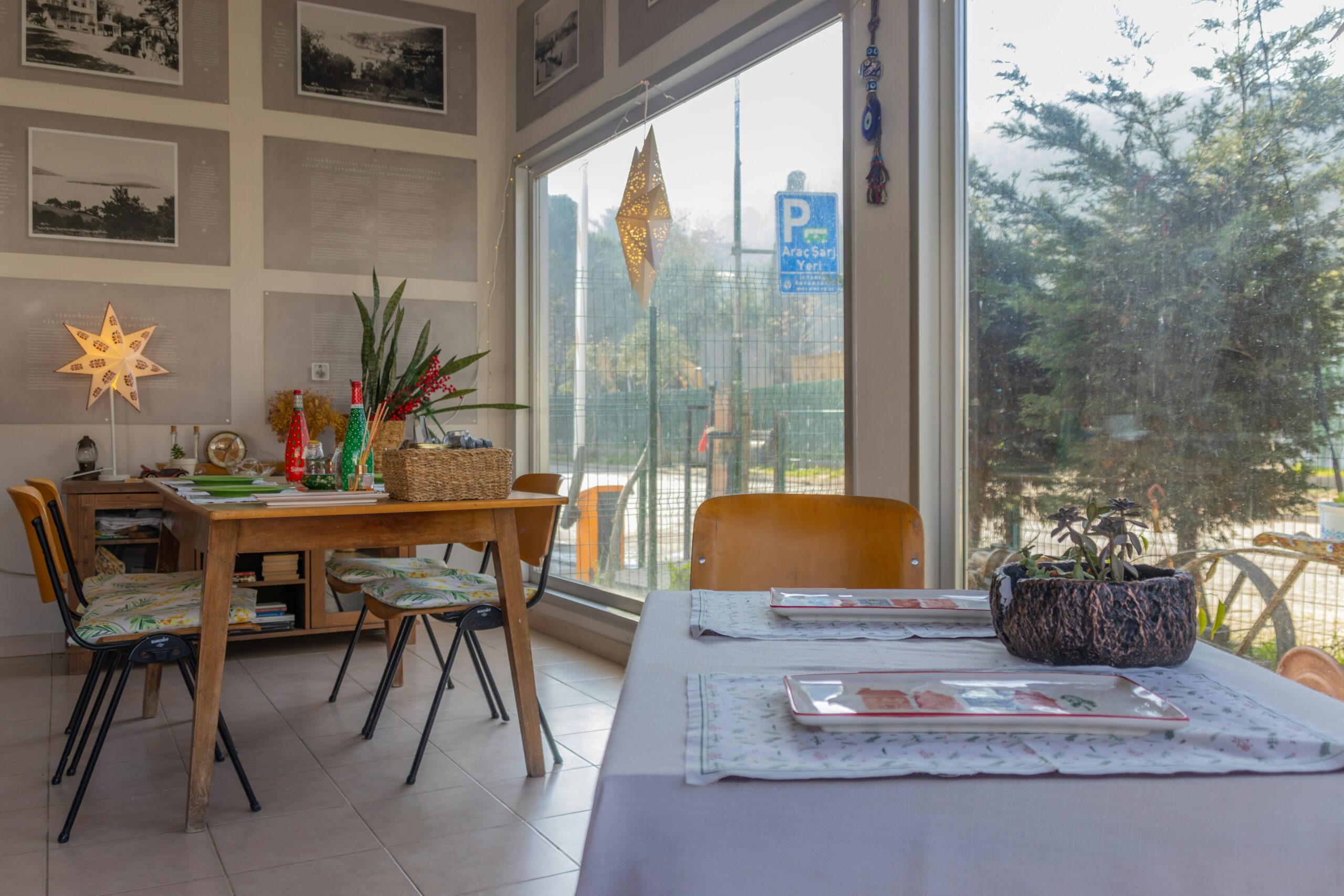
Quiet café moments are perfect for practicing simple Brazilian Portuguese phrases without pressure. This article teaches useful phrases, vocabulary, and short dialogues for beginners so you can order, make small talk, ask for the bill, and enjoy a calm café atmosphere in Brazil.
- Why focus on quiet café phrases?
- Basic café vocabulary
- Polite openers and greetings
- Ordering food and drinks
- Customizing your order
- Asking about menu items and ingredients
- Simple, friendly small talk
- Polite replies and follow-ups
- Beginners’ short dialogues
- How to ask for the bill and leave politely
- Beginner tips for natural pronunciation
- Common beginner mistakes and how to avoid them
- Extra practical phrases for subtle needs
- Short practice plan for beginners
- Helpful cultural note
- Conclusion
Why focus on quiet café phrases?
Cafés are low-stakes social settings where you can use short, practical phrases. You often need to order, ask questions, or have brief friendly exchanges. Learning a handful of expressions gives confidence and helps you interact politely with baristas and other customers.
Basic café vocabulary
Start with core nouns and verbs you’ll hear and use often. These words appear on menus and in conversations.
café — coffee; also a place to buy coffee
café com leite — coffee with milk
expresso — espresso
cappuccino — cappuccino
chá — tea
pão de queijo — traditional Brazilian cheese bread
bolo — cake
por favor — please
obrigado — thank you (male speaker)
obrigada — thank you (female speaker)
com — with
sem — without
o preço — the price
a conta — the bill
Polite openers and greetings
Quick greetings make a good first impression. Use these when entering or approaching the counter.
Bom dia — Good morning
Boa tarde — Good afternoon
Boa noite — Good evening / good night (also used for good evening greetings)
Com licença — Excuse me (to get attention)
Posso entrar? — May I come in?
Ordering food and drinks
Simple, polite orders are essential. These phrases cover choosing a drink, customizing it, and asking about options.
Eu quero — I want
Eu gostaria de — I would like
Um café, por favor — A coffee, please
Um café com leite, por favor — A coffee with milk, please
Um expresso, por favor — An espresso, please
Tem bolo hoje? — Do you have cake today?
Tem opção sem glúten? — Is there a gluten-free option?
Sem açúcar, por favor — Without sugar, please
Com pouco açúcar — With little sugar
Posso pagar com cartão? — Can I pay with card?
Customizing your order
Beginners can combine short phrases to form natural requests. Use polite words to sound friendly and clear.
Example 1
Um cappuccino pequeno, com pouco açúcar, por favor
Example 2
Um café com leite sem lactose, por favor
Explain: pequeno means small, sem lactose means lactose-free. Adding por favor keeps it polite.
Asking about menu items and ingredients
If you have dietary needs or curiosities, use these short questions.
O que é isso? — What is this?
É picante? — Is it spicy?
Tem lactose? — Does it have lactose?
Tem opção vegana? — Do you have a vegan option?
Quanto custa? — How much does it cost?
Simple, friendly small talk
Quiet cafés are good for light conversation. Keep exchanges short and relaxed. These phrases help you be friendly without dominating the ambiance.
Que café gostoso — What a tasty coffee
O ambiente é tranquilo — The atmosphere is calm
Você recomenda algo? — Do you recommend something?
Está fazendo muito calor hoje — It is very hot today
Você vem sempre aqui? — Do you come here often?
Polite replies and follow-ups
Knowing a few replies helps continue the conversation naturally.
Sim, é bem gostoso — Yes, it’s very tasty
Não, obrigado — No, thank you (male speaker)
Não, obrigada — No, thank you (female speaker)
Com certeza — For sure
Mais alguma coisa? — Anything else?
Beginners’ short dialogues
These short dialogues show how phrases connect in real interactions. Each line uses simple vocabulary and realistic pacing.
Dialogue 1: Ordering
Cliente: Bom dia
Barista: Bom dia! O que deseja?
Cliente: Um café com leite, por favor
Barista: Pequeno ou grande?
Cliente: Pequeno, por favor. Quanto fica?
Barista: Cinco reais.
Cliente: Aqui está. Obrigada.
Dialogue 2: Asking about food
Cliente: Tem pão de queijo?
Barista: Sim, temos. Quer quente?
Cliente: Sim, por favor. Vou querer dois.
Barista: Certo, já vou buscar.
How to ask for the bill and leave politely
When you are ready to leave, these phrases are polite and common. Use them to avoid confusion and to signal you enjoyed your time.
A conta, por favor — The bill, please
Posso pagar agora? — Can I pay now?
Vou pagar em dinheiro — I’ll pay in cash
Posso pagar com cartão? — Can I pay with card?
Obrigado, estava ótimo — Thank you, it was great (male speaker)
Obrigada, estava ótimo — Thank you, it was great (female speaker)
Beginner tips for natural pronunciation
Pronunciation helps you be understood. Focus on a few patterns rather than perfecting every sound.
Tip 1: Stress the second-to-last syllable in many words like café and bolo.
Tip 2: The letter r at the start of a word can sound like an English h in many Brazilian accents: r$eal (real) similar to h; but inside words it often sounds like a soft r.
Tip 3: The tilde ~ in words like pão indicates a nasal sound; try relaxing your mouth and letting air through your nose.
Common beginner mistakes and how to avoid them
Learning mistakes are normal. These tips help avoid common errors in café interactions.
Mistake 1: Forgetting por favor or obrigado/obrigada. Small politeness words matter.
Fix: Always add por favor when ordering and obrigado or obrigada when receiving service.
Mistake 2: Using eu quero too forcefully. Eu quero is correct, but eu gostaria de sounds softer and more polite.
Mistake 3: Pronouncing words too quickly. Slow down, especially at the counter, so staff can understand you.
Extra practical phrases for subtle needs
These quick phrases handle small issues without interrupting the calm café vibe.
Tem wi-fi? — Is there wi-fi?
Qual é a senha? — What is the password?
Posso sentar ali? — Can I sit there?
Tem tomada perto? — Is there an outlet nearby?
Posso trocar de mesa? — Can I change tables?
Short practice plan for beginners
Use a gentle routine to build confidence. Short, consistent practice beats long cramming sessions.
Step 1: Learn 10 vocabulary words from the list and say them aloud each morning.
Step 2: Memorize two ordering phrases like Um café com leite, por favor and A conta, por favor.
Step 3: Visit a café or role-play with a friend once a week and use the short dialogues.
Helpful cultural note
Brazilian cafés often value friendly but brief exchanges. Smiling, saying bom dia, and using por favor and obrigado/obrigada go a long way. Tipping practices vary by place; check the menu or ask if service is included.
Conclusion
Quiet café moments are ideal for practicing Brazilian Portuguese in real-life settings. With a handful of vocabulary, polite phrases, and short dialogues, beginners can order confidently, make small talk, and leave politely. Keep phrases handy, speak slowly, and enjoy the calm practice time.