Introduction
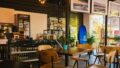
Learn simple Brazilian Portuguese phrases for relaxed weekend errands. This guide gives beginner-friendly vocabulary, practical sentences, and short dialogues you can use at the market, bakery, pharmacy, cafe, and on public transport. Each Portuguese phrase is explained in English so you can feel confident speaking during a laid-back weekend in Brazil.
- Why learn these phrases
- Essential vocabulary for weekend errands
- Simple phrases for entering and greeting
- Buying food: bakery and cafe phrases
- Grocery shopping at the supermarket
- Pharmacy and basic health items
- Asking for directions and schedules
- Paying and polite phrases for service situations
- Practical tips for beginners
- Common beginner mistakes and how to fix them
- Short practice dialogues for errands
- Useful signage and labels to recognize
- Putting it all together: a sample weekend errand plan
- Conclusion
Why learn these phrases
Weekend errands are the perfect low-pressure setting to practice Portuguese. Conversations are short, predictable, and useful. Knowing key phrases helps you order food, buy groceries, ask for directions, check opening hours, and be polite in shops and cafes.
Essential vocabulary for weekend errands
Start with single words you will hear often. The first time you see each main word it is highlighted.
mercado – supermarket, grocery store
padaria – bakery
farmácia – pharmacy
cafeteria – cafe
ônibus – bus
táxi – taxi
horário – schedule, opening hours
preço – price
troco – change (money returned)
cardápio – menu
Simple phrases for entering and greeting
Polite greetings make errands smoother. Use these easy lines when you enter a shop or approach a counter.
Bom dia – Good morning
Boa tarde – Good afternoon
Com licença – Excuse me (to get attention or pass by)
Posso ajudar? – Can I help you? (you may hear this from staff)
Estou só olhando – I’m just looking
How to respond
If someone asks if you need help you can reply with a short phrase.
Sim, por favor – Yes, please
Não, obrigado / Não, obrigada – No, thank you (choose obrigado if you identify as male, obrigada if female)
Buying food: bakery and cafe phrases
Weekend mornings often include a stop at a padaria or cafeteria. These phrases let you order bread, coffee, or a snack.
Um pão francês, por favor – One French roll, please
Um café pingado – A small coffee with a little milk (typical informal order)
Quanto custa? – How much does it cost?
Posso pagar com cartão? – Can I pay with card?
Onde fica a mesa para dois? – Where is the table for two?
Example cafe dialogue
Short, natural exchange you might use.
Cliente: Bom dia. Um café e um pão de queijo, por favor.
Atendente: Bom dia. Vai querer para aqui ou pra viagem?
Cliente: Para aqui, obrigado.
Grocery shopping at the supermarket
At the mercado you will ask for quantities, brands, and prices. These phrases keep things simple.
Onde está o leite? – Where is the milk?
Tem desconto? – Is there a discount?
Preciso de meio quilo de tomates – I need half a kilo of tomatoes
Mais uma sacola, por favor – One more bag, please
Onde é o caixa? – Where is the checkout?
Common supermarket interaction
Cashier interactions are quick. Practice these lines to handle payment.
Caixa: Sua compra deu R$ 32,50.
Cliente: Aqui está. Pode ficar com o troco.
Caixa: Muito obrigado. Tenha um bom dia.
Pharmacy and basic health items
Pharmacies are common stops on weekends. You do not need to explain medical history for basic purchases. Use simple, clear phrases.
Preciso de remedio para dor de cabeça – I need medicine for a headache
Tem sem receita? – Do you have it without prescription?
Posso ver a bula? – Can I see the leaflet?
Tem fraldas tamanho M? – Do you have size M diapers?
Asking for directions and schedules
Errands often involve getting from place to place. Simple questions help you find locations and times.
Onde fica a estação de ônibus? – Where is the bus station?
Qual o horário de fechamento? – What time does it close?
Quanto tempo leva até lá? – How long does it take to get there?
Que ônibus vai para o centro? – Which bus goes to downtown?
Short transport dialogue
Use this exchange at a bus stop or with a driver.
Passageiro: Esse ônibus vai para o centro?
Motorista: Vai sim. Desça na segunda parada.
Passageiro: Quanto custa a passagem?
Motorista: R$ 4,40.
Paying and polite phrases for service situations
Knowing how to pay and leave a polite message is helpful. These phrases are common across shops and cafes.
Quanto deu? – How much is it?
Posso pagar com débito? – Can I pay with debit?
Fica com o troco – Keep the change
Muito obrigado/Obrigada – Thank you very much
Com licença, pode me ajudar? – Excuse me, can you help me?
Practical tips for beginners
Use these tips to sound natural and avoid common mistakes when running errands.
Speak slowly and clearly. Native speakers will appreciate the effort and may speak more slowly in return.
Use polite forms like por favor and obrigado/obrigada often.
Remember gender for adjectives and past participles when talking about yourself: if you identify as female say obrigada, male say obrigado.
When asking for quantity, use numbers and words like meio quilo (half a kilo) and uma unidade (one unit).
Listen for keywords like aberto (open), fechado (closed), desconto (discount), and troco (change).
Common beginner mistakes and how to fix them
Beginners often mix pronouns or forget gender markers. Keep sentences short and use the correct gender for past words or polite responses.
Incorrect: Eu obrigada.
Correct: Eu sou obrigada. or simply Obrigada if you are female.
Incorrect: Quanto custa esse pão? (if pointing to a loaf you bought)
Correct: Quanto custa este pão? Use este/esta for items close to you and esse/essa for items close to the listener.
Short practice dialogues for errands
These scripted exchanges are realistic and short enough for beginners to memorize.
At the padaria:
Cliente: Boa tarde. Tem pão integral?
Atendente: Tem sim. Quantos você quer?
Cliente: Dois, por favor.
At the mercado:
Cliente: Onde estão as frutas?
Funcionário: Fica lá no fundo, à esquerda.
Cliente: Obrigado.
At the farmácia:
Cliente: Preciso de um analgésico sem receita.
Atendente: Temos paracetamol e ibuprofeno. Qual prefere?
Cliente: Paracetamol, por favor.
Useful signage and labels to recognize
Reading signs helps a lot. Learn these common labels you will see on the weekend.
Entrada – Entrance
Saída – Exit
Aberto – Open
Fechado – Closed
Promoção – Sale, promotion
Caixa – Checkout, cashier
Putting it all together: a sample weekend errand plan
Here is a realistic sequence you might say or hear when running errands on a relaxed Saturday morning.
Você chega na padaria e diz: Bom dia. Um café e um pão de queijo, por favor.
Depois no mercado: Onde está o arroz? Preciso de um quilo.
Na farmácia: Tem analgésico sem receita?
Ao pagar: Posso pagar com cartão? Obrigado.
Conclusion
These beginner-friendly Brazilian Portuguese phrases cover common weekend errands like visiting a padaria, mercado, farmácia, and cafeteria. Memorize a few key vocabulary words, practice the short dialogues, and use polite phrases to make errands enjoyable and low stress. With these tools you will handle relaxed weekend tasks with confidence and friendliness.