Introduction
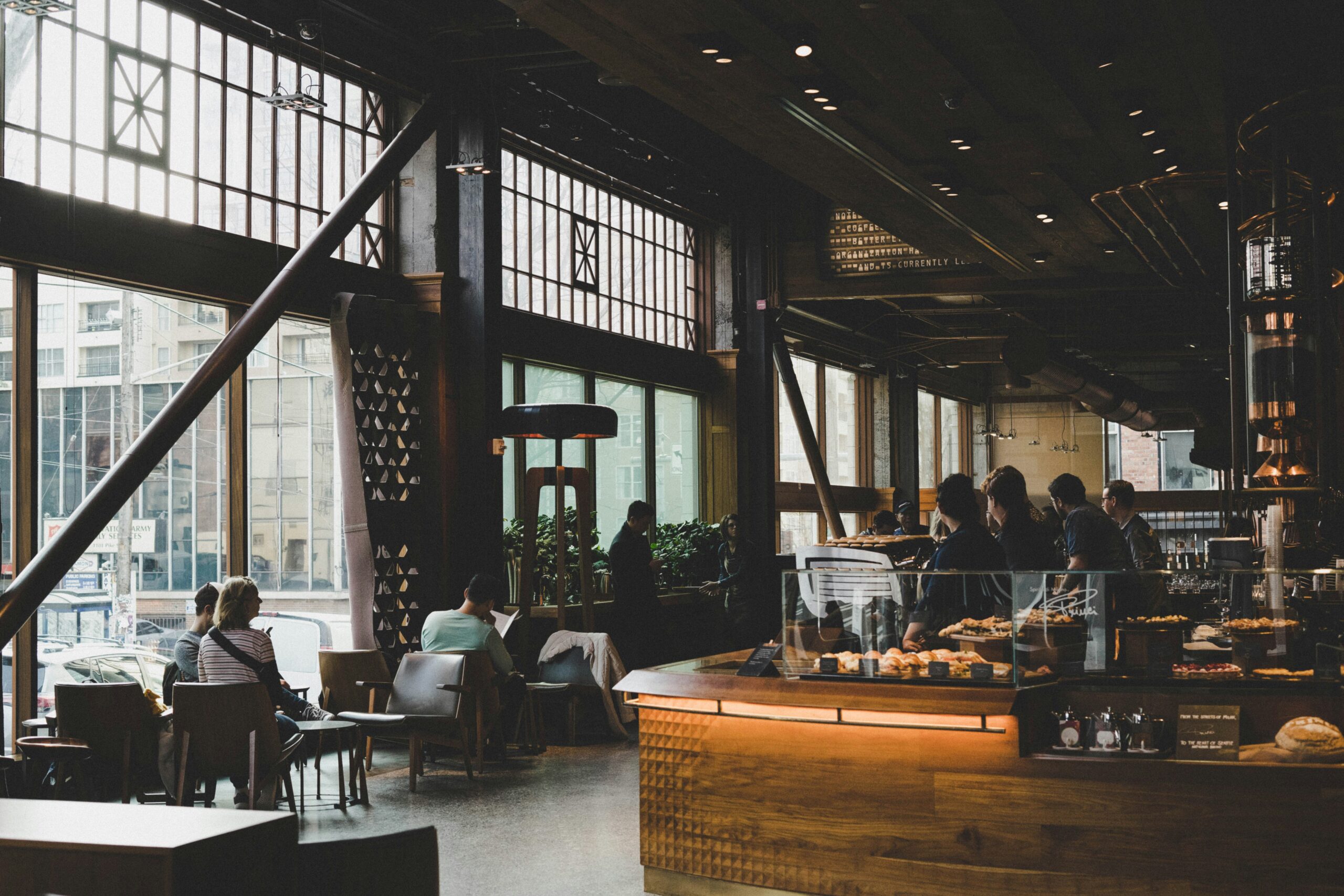
Going to a café concert in Brazil is a fun, casual way to enjoy live music and practice Portuguese. This article teaches beginner-friendly Brazilian Portuguese phrases, vocabulary, and simple conversational patterns you can use at a café concert. Expect greetings, ordering, polite questions, short dialogues, and tips to sound natural and confident.
- Before the Show: Making Plans and Reservations
- Arriving at the Café Concert: Greeting and Seating
- Ordering Food and Drinks
- At the Show: Small Talk and Enjoying the Music
- Asking Practical Questions During the Event
- Meeting People: Introductions and Small Talk
- Compliments, Requests, and Politeness
- Common Mistakes to Avoid
- Useful Vocabulary List
- Short Dialogues You Might Hear
- Tips for Sounding Natural
- How to Ask for Help or Directions
- Conclusion
Before the Show: Making Plans and Reservations
When planning to attend a café concert, you may need to ask about tickets, times, or reserve a table. Use these simple phrases to confirm details and coordinate with friends.
Você vai ao show? — Are you going to the show?
Tem ingresso disponível? — Is there a ticket available?
Tem reserva para duas pessoas? — Is there a reservation for two people?
Que horas começa o show? — What time does the show start?
Onde fica o café? — Where is the café located?
Example message to a friend:
Vamos ao café concerto hoje à noite?
Vamos ao café concerto hoje à noite? — Shall we go to the café concert tonight?
Arriving at the Café Concert: Greeting and Seating
When you arrive, you will likely greet staff, show tickets, or ask for a seat. Keep your language polite and simple.
Boa noite — Good evening
Eu tenho reserva em nome de Ana — I have a reservation under the name Ana
Tem mesa para duas pessoas? — Do you have a table for two people?
Onde é a entrada do show? — Where is the entrance for the show?
Short dialogue at the door:
Você: Boa noite. Tenho ingresso para o show.
Boa noite. Tenho ingresso para o show.
Recepcionista: Pode mostrar o ingresso, por favor?
Pode mostrar o ingresso, por favor?
Você: Aqui está.
Aqui está.
Ordering Food and Drinks
Most café concerts offer drinks and light food. Use these phrases to ask for menus, order, and request the check.
O cardápio, por favor — The menu, please
Eu gostaria de um café — I would like a coffee
Você recomenda alguma bebida? — Do you recommend any drink?
Posso ver a carta de vinhos? — May I see the wine list?
Uma água sem gás, por favor — A still water, please
Eu sou alérgico a nozes — I am allergic to nuts
Ordering examples:
Quero uma cerveja e um sanduíche.
Quero uma cerveja e um sanduíche. — I want a beer and a sandwich.
Tem opção vegetariana?
Tem opção vegetariana? — Is there a vegetarian option?
A conta, por favor.
A conta, por favor. — The check, please.
At the Show: Small Talk and Enjoying the Music
During the performance, keep conversation short and polite. Compliments to the musicians are appreciated after songs or during breaks.
Que música bonita — What a beautiful song
Você conhece essa música? — Do you know this song?
Quem é o cantor? — Who is the singer?
O som está bom aqui? — Is the sound good here?
Compliment examples:
Parabéns, vocês tocaram muito bem!
Parabéns, vocês tocaram muito bem! — Congratulations, you played very well!
Adorei a voz do cantor.
Adorei a voz do cantor. — I loved the singer’s voice.
Asking Practical Questions During the Event
You may need to ask about breaks, restrooms, or food service. Use simple, direct questions so staff can help quickly.
Quando é o intervalo? — When is the intermission?
Onde fica o banheiro? — Where is the bathroom?
O serviço de bar fica aberto durante o show? — Is the bar service open during the show?
Tem serviço de mesa durante a apresentação? — Is table service available during the performance?
Practical exchange:
Você: Quando tem o intervalo?
Quando tem o intervalo?
Funcionário: O intervalo é às 21h30.
O intervalo é às 21h30.
Meeting People: Introductions and Small Talk
Café concerts are social. Use friendly, short phrases to introduce yourself or start a conversation with nearby listeners.
Oi, tudo bem? — Hi, how are you?
Meu nome é Lucas — My name is Lucas
Você vem sempre a esse café? — Do you come to this café often?
Gostei da sua camiseta da banda — I liked your band t-shirt
Beginner-friendly dialogue:
Você: Oi, tudo bem? Eu sou a Maria.
Oi, tudo bem? Eu sou a Maria.
Pessoa: Prazer, eu sou o João.
Prazer, eu sou o João.
Você: Você vem aqui sempre?
Você vem aqui sempre?
Pessoa: Às vezes, gosto muito desse lugar.
Às vezes, gosto muito desse lugar.
Compliments, Requests, and Politeness
Politeness goes a long way. Use basic expressions to show gratitude, ask politely, and respond to compliments.
Por favor — Please
Obrigado / Obrigada — Thank you (male speaker uses obrigado; female uses obrigada)
Com licença — Excuse me (to get attention or pass by)
Desculpe — Sorry
Examples of polite interactions:
Com licença, posso passar?
Com licença, posso passar? — Excuse me, may I pass?
Obrigado pelo show, foi ótimo.
Obrigado pelo show, foi ótimo. — Thank you for the show, it was great.
Common Mistakes to Avoid
Beginners often overcomplicate questions or use false cognates. Keep phrases short and use the simple verbs you know.
Mistake 1: Using literal translations from English such as Eu estou com fome agora para pedir comida during a show. Instead say Tenho fome or Estou com fome.
Mistake 2: Forgetting gender on obrigado/obrigada. Match your speaker gender: obrigado if you are male, obrigada if you are female.
Mistake 3: Overusing formal pronouns with friends. In casual café concerts, use você rather than o senhor / a senhora unless addressing staff formally.
Useful Vocabulary List
Show — show (a live performance)
Café — café
Ingresso — ticket
Entrada — entrance
Palco — stage
Intervalo — intermission
Banheiro — bathroom
Cardápio — menu
Conta — bill / check
Bebida — drink
Garçom / Garçonete — waiter / waitress
Música — music
Cantor / Cantora — singer (male / female)
Short Dialogues You Might Hear
These short dialogues are realistic and simple for beginners. Read them aloud to build confidence.
Diálogo 1
Você: Oi, tem mesa para duas pessoas?
Oi, tem mesa para duas pessoas?
Recepção: Tem sim, siga por aqui.
Tem sim, siga por aqui.
Diálogo 2
Você: O cardápio, por favor.
O cardápio, por favor.
Garçom: Já trago, um momento.
Já trago, um momento.
Diálogo 3
Você: Quem é a banda que vai tocar?
Quem é a banda que vai tocar?
Pessoa ao lado: É a Banda Sol Nascente, eles começam às 20h30.
É a Banda Sol Nascente, eles começam às 20h30.
Tips for Sounding Natural
1. Use contractions you hear spoken in Brazilian Portuguese, like Tudo bem for How are you. Keep sentences short and avoid complex grammar.
2. Match gender on adjectives and past participles when necessary, but for many phrases beginners can use neutral expressions like Eu gostei (I liked it) and keep learning agreement gradually.
3. Pay attention to pronunciation: stress often falls on the penultimate syllable, and nasal sounds are common. Listening to Brazilian music at café concerts will help.
4. Smile and use body language. Brazilians are warm and expressive; a friendly tone goes a long way.
How to Ask for Help or Directions
If you get lost or need assistance, use clear, short sentences and the key words shown below.
Perdido / Perdida — lost (male / female)
Como eu chego no café? — How do I get to the café?
Estou procurando o Teatro Café — I am looking for Teatro Café
Tem um mapa do local? — Is there a map of the venue?
Practical help request:
Você: Desculpe, estou perdido. Onde fica o Café Aurora?
Desculpe, estou perdido. Onde fica o Café Aurora?
Local: Fica na Rua das Flores, perto da praça.
Fica na Rua das Flores, perto da praça.
Conclusion
Attending a café concert in Brazil is a great opportunity to use simple Brazilian Portuguese in real situations. Memorize the key phrases for greetings, ordering, asking questions, and polite responses. Practice short dialogues, listen to native speakers, and focus on clear, friendly communication. With these phrases and tips, you will feel more comfortable and enjoy the music and atmosphere.