Introduction
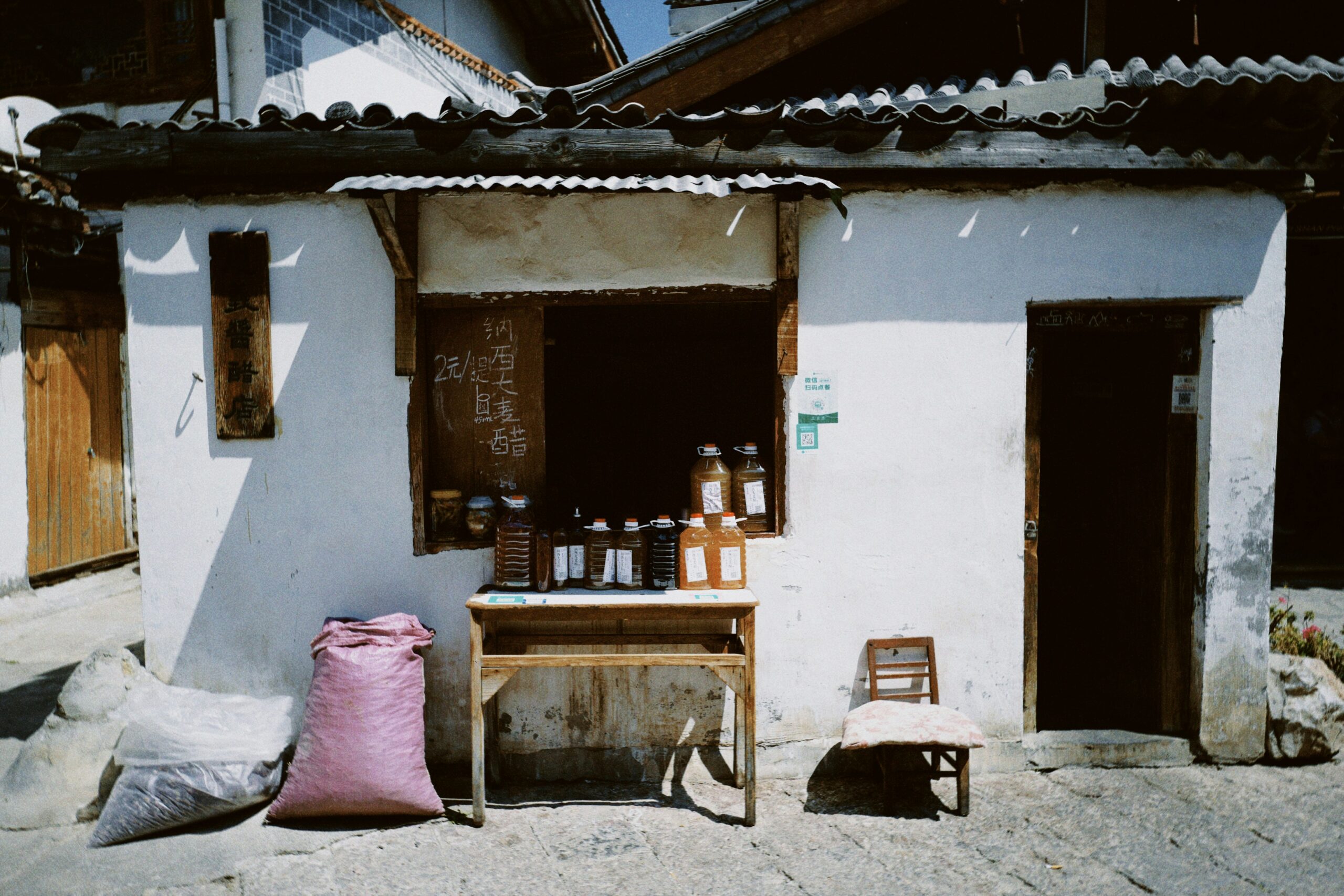
Shopping for handmade goods is a wonderful way to connect with Brazilian culture and support local artisans. This article gives English-speaking beginners useful phrases and vocabulary in Brazilian Portuguese to help when asking about locally made items, bargaining politely, and understanding product details. Short dialogues and practical examples make it easy to start conversations today.
- Why Learn These Phrases?
- Key Vocabulary for Locally Made Items
- Simple Questions to Ask Sellers
- Useful Replies from Sellers
- Polite Phrases and Bargaining
- Short Dialogues for Common Situations
- Practical Examples: Labels, Tags, and Signs
- Common Mistakes and Beginner Tips
- How to Describe What You Want
- Asking About Authenticity and Origin
- Short Cultural Notes for Beginners
- Conclusion
Why Learn These Phrases?
When visiting markets, small shops, or craft fairs in Brazil, basic phrases make interactions smoother and more friendly. Using a few Portuguese words shows respect and often leads to better service and more genuine exchanges with sellers. This article focuses on beginner-friendly language for asking about materials, origins, prices, sizes, and care instructions for locally made items.
Key Vocabulary for Locally Made Items
Start with these essential nouns and descriptors you will hear at craft markets and small stores.
artesanato — handcrafted goods, crafts
feito à mão — made by hand
produto local — local product
feito no Brasil — made in Brazil
material — material
algodão — cotton
lã — wool
madeira — wood
cerâmica — ceramics
preço — price
tamanho — size
qualidade — quality
Simple Questions to Ask Sellers
These beginner-friendly questions will help you learn more about an item quickly. The first time each main phrase appears, it is in strong formatting.
Isso é feito à mão? — Is this handmade?
É um produto local? — Is this a local product?
De que material é feito? — What material is it made of?
Qual é o preço? — What is the price?
Tem em outro tamanho? — Do you have it in another size?
Como eu cuido disso? — How do I take care of this?
Posso provar? — Can I try it on?
Você aceita cartão? — Do you accept card?
Useful Replies from Sellers
Learn typical replies so you can understand answers and continue the conversation.
Sim, é feito à mão. — Yes, it is handmade.
Não, é importado. — No, it is imported.
É de algodão / lã / madeira / cerâmica. — It is made of cotton / wool / wood / ceramics.
O preço é cem reais. — The price is one hundred reais.
Temos em tamanho P, M e G. — We have sizes S, M, and L.
Lavar à mão / lavar na máquina. — Wash by hand / machine wash.
Sim, aceitamos cartão. — Yes, we accept card.
Polite Phrases and Bargaining
Bargaining can be common in markets but always be polite. Use these phrases to negotiate gently.
O preço é negociável? — Is the price negotiable?
Você pode fazer um desconto? — Can you give a discount?
Posso pagar em dinheiro? — Can I pay in cash?
Se eu levar dois, tem desconto? — If I buy two, is there a discount?
Obrigada / Obrigado — Thank you (female / male speaker).
Quanto você quer? — How much do you want? (used when seller asks your offer)
Short Dialogues for Common Situations
Practice these two short beginner-friendly dialogues you might use at a market stall or small boutique.
Seller: Bom dia, posso ajudar?
Customer: Bom dia. Isso é feito à mão?
Seller: Sim, tudo é artesanato local.
Customer: De que material é esta bolsa?
Seller: É de algodão orgânico e tem forro de linho.
Customer: Qual é o preço?
Seller: É cento e cinquenta reais.
Customer: Tem em outra cor?
Seller: Sim, temos azul e verde.
Customer: Quanto custa este vaso?
Seller: É oitenta reais.
Customer: O preço é negociável?
Seller: Posso fazer setenta se levar dois.
Customer: Perfeito, eu levo dois. Posso pagar com cartão?
Seller: Sim, aceitamos cartão.
Practical Examples: Labels, Tags, and Signs
When reading labels or asking about product details, these short phrases are useful.
Feito no Brasil — Made in Brazil, often on tags for local products.
Origem — Origin, followed by a place name.
Composição — Composition, lists materials such as algodão 100% or seda 50%.
Cuidados — Care instructions, for example lavar à mão or não alvejar.
Artesão — Artisan, sometimes a tag will say nome do artesão.
Common Mistakes and Beginner Tips
Here are practical tips to avoid confusion and sound more natural.
Tip 1: Say obrigada if you are female and obrigado if you are male. Many beginners mix these up; gender matters in Portuguese basic expressions.
Tip 2: Use por favor to be polite when asking about prices or trying items. Example: Por favor, posso provar?
Tip 3: Numbers are important. Practice prices: um, dois, três, dez, vinte, cinquenta, cem. Ask the seller to repeat slowly: Pode repetir devagar, por favor?
Tip 4: If you do not understand, use Não entendi or Pode falar mais devagar?
Tip 5: Be aware that some sellers may use regional vocabulary. If a word is unfamiliar, ask O que significa?
How to Describe What You Want
Tell the seller your preferences with simple phrases so they can show suitable items.
Estou procurando — I am looking for. Example: Estou procurando presentes feitos à mão.
Quero algo — I want something. Example: Quero algo pequeno e barato.
Prefiro — I prefer. Example: Prefiro cerâmica ou madeira.
Tenho alergia a — I am allergic to. Example: Tenho alergia a lã.
Asking About Authenticity and Origin
If you care about authenticity or local production, use these phrases to confirm provenance.
Este produto é original? — Is this product original/authentic?
Quem fez isto? — Who made this?
É produzido aqui perto? — Is it produced nearby?
Tem certificado? — Does it have a certificate? (useful for artisanal food or certified crafts)
Short Cultural Notes for Beginners
In Brazil, small talk is common. Start with a friendly greeting, ask about the item, and show appreciation. Sellers often like to explain how an item was made or who crafted it. Smiling and using a few Portuguese words goes a long way.
Conclusion
With these beginner-friendly Brazilian Portuguese phrases and examples, you can confidently ask about locally made items, materials, prices, sizes, and care. Use the short dialogues and vocabulary at markets, boutiques, and craft fairs to build confidence and enjoy more meaningful shopping experiences in Brazil.