Introduction
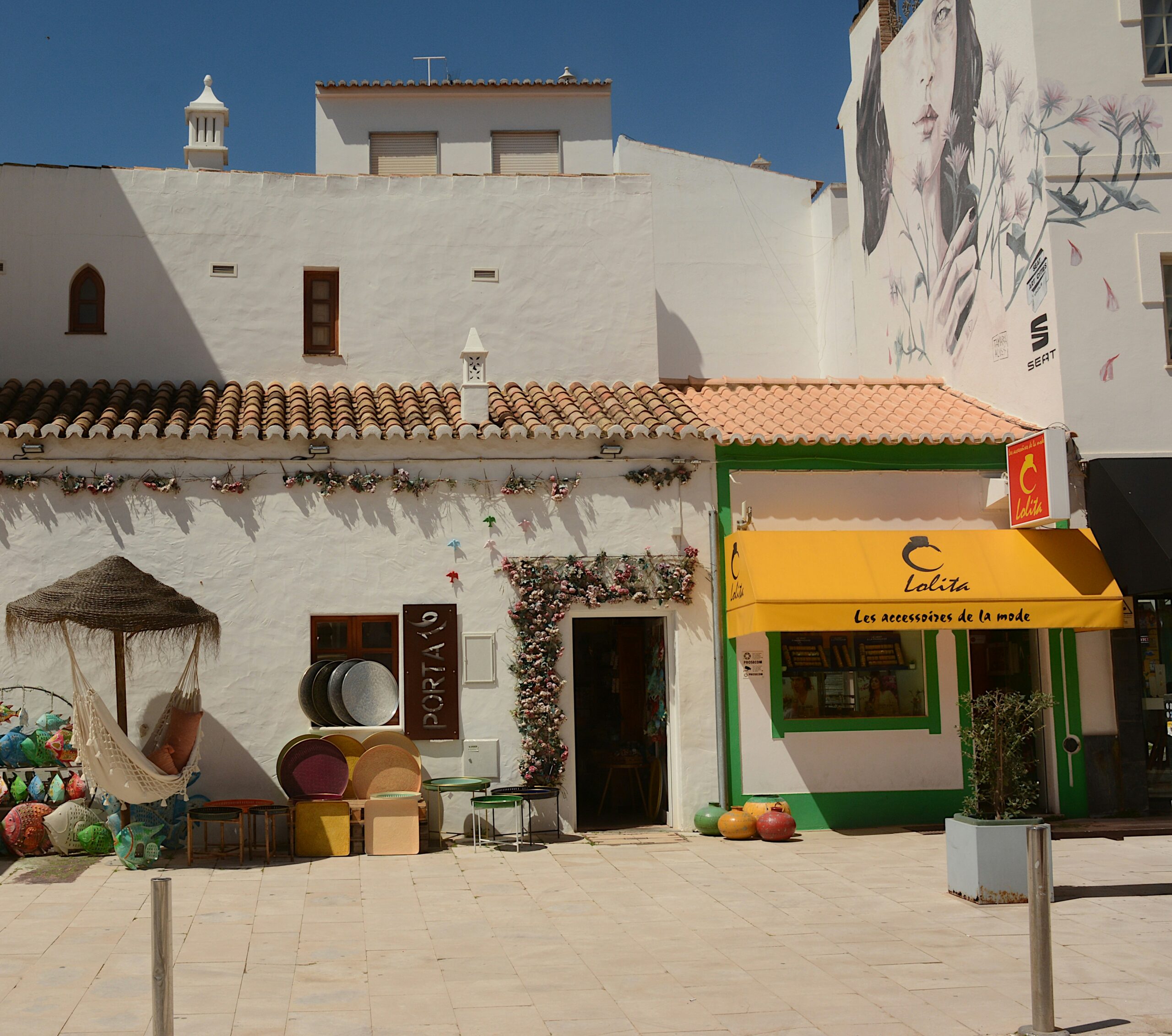
Polite conversation with sellers is a practical skill when traveling or living in Brazil. This article gives beginner-friendly phrases, vocabulary, and short dialogues in Brazilian Portuguese to help you ask for products, check prices, request help, and leave politely. Learn key words, common responses, and simple tips to sound respectful and confident in everyday shopping situations.
- Why politeness matters in Brazilian Portuguese interactions
- Basic shopping phrases: ask, buy, and negotiate
- Asking for help and information
- Polite ways to decline or change your mind
- Common quick replies and confirmations
- Politeness nuances: tone, body language, and small gestures
- Practical tips for real-life shopping situations
- Summary of must-know starter phrases
- Conclusion
Why politeness matters in Brazilian Portuguese interactions
Being polite opens doors and makes transactions smoother. Conversation with sellers often happens in busy markets, small shops, and street stalls where friendliness matters. Using simple, respectful phrases shows cultural awareness and increases the chance of getting good service and clear information.
Essential politeness words and expressions
Por favor – please. Use this when asking for help or a favor.
Obrigado / Obrigada – thank you. Men say obrigado; women say obrigada.
Com licença – excuse me. Useful for getting attention or moving through a crowd.
Desculpe – sorry or excuse me. Use to apologize or to get attention politely.
Posso – may I / can I. Combine with a verb to ask permission.
Quanto custa – how much does it cost. A basic question to ask the price.
Basic shopping phrases: ask, buy, and negotiate
These simple phrases help you start a transaction and understand prices or quantities.
Quanto custa isso – How much does this cost
Tem de outro tamanho – Do you have another size
Você tem em outra cor – Do you have this in another color
Posso experimentar – Can I try it on
Eu quero comprar – I want to buy
Você aceita cartão – Do you accept card
Posso pagar com cartão – Can I pay with a card
Tem troco – Do you have change
Short dialogues: market stall and small shop
Market stall example
Vendedor: Bom dia, pode ajudar?
Cliente: Com licença, quanto custa essa camiseta?
Vendedor: Quarenta reais.
Cliente: Tem em outro tamanho?
Vendedor: Tenho tamanho M e G.
Cliente: Eu quero comprar a M. Posso pagar com cartão?
Vendedor: Só dinheiro, desculpe.
Cliente: Tudo bem, obrigada.
Small shop example
Vendedora: Olá, seja bem-vindo.
Cliente: Bom dia, por favor, você tem esse suéter em azul?
Vendedora: Sim, está ali no cabide.
Cliente: Posso experimentar?
Vendedora: Claro, o provador fica ali.
Cliente: Obrigado, volto já.
Asking for help and information
When you need more details about a product or service, these phrases are useful and polite.
Você pode me ajudar – Can you help me
Onde fica – Where is. Combine with a place noun.
Isso tem garantia – Does this have a warranty
Qual a validade – What is the expiration date (useful for food or medicine)
Tem em estoque – Is it in stock
Você pode embrulhar para presente – Can you wrap this as a gift
Examples for services and food
Restaurant/server
Cliente: Por favor, o cardápio?
Garçom: Aqui está. Deseja uma sugestão?
Cliente: Qual é o prato do dia?
Garçom: Feijoada hoje.
Bakery or market
Cliente: Quanto custa o pão francês?
Vendedor: Dois reais cada.
Cliente: Eu quero oito, por favor.
Polite ways to decline or change your mind
Sometimes you need to refuse or return an item politely. These quick phrases keep the tone friendly.
Não, obrigado / Não, obrigada – No, thank you
Eu vou pensar – I’ll think about it
Posso devolver – Can I return this
Não gostei – I did not like it
Posso trocar – Can I exchange this
Polite returns and exchanges dialogue
Cliente: Olá, com licença, posso trocar isso?
Atendente: Claro, tem a nota fiscal?
Cliente: Sim, aqui está. Não gostei da cor.
Atendente: Tudo bem, podemos trocar por outro modelo.
Common quick replies and confirmations
Learn short responses sellers will use and how to reply politely.
Vendedor: Quer mais alguma coisa?
Cliente: Não, obrigado.
Vendedor: Vai levar assim?
Cliente: Sim, por favor.
Vendedor: Precisa de sacola?
Cliente: Sim, por favor, com sacola.
Important vocabulary and pronunciation tips
Vocabulary is small but useful. Pronunciation notes help beginners sound clearer.
tamanho – size. Pronounce roughly ta-MAN-nyu.
troco – change (money). Pronounce TROH-ku.
nota fiscal – receipt. Pronounce NO-ta fee-SKAL.
provador – fitting room. Pronounce pro-va-DOR.
cardápio – menu. Pronounce car-DAH-peeo.
Politeness nuances: tone, body language, and small gestures
In Brazil, warmth and a friendly tone matter more than formal language. Smile, make eye contact, and use a gentle voice. Saying por favor and obrigado at key moments shows respect. Use light Caipira or carioca accent pronunciation if local, but always prioritize clarity over accent mimicry.
Common beginner mistakes and how to avoid them
Mixing masculine and feminine endings. Match obrigado if you are male and obrigada if you are female.
Forgetting to use por favor. A request without por favor may sound abrupt.
Using formal usted-style forms. Stick to você for most interactions in Brazil.
Incorrect verb forms for possession. Use tem for there is/are and você tem to ask about stock.
Practical tips for real-life shopping situations
Prepare a short list of phrases on your phone for quick access. Practice simple dialogs aloud before you go shopping. Carry small bills and coins to avoid problems with change. If you do not understand the seller, say Desculpe, pode repetir slowly.
Short situational examples
Buying bus tickets
Cliente: Bom dia, quanto custa a passagem para Copacabana?
Vendedor: Cinco reais.
Cliente: Tem troco para dez reais?
Asking about opening hours
Cliente: Que horas a loja abre?
Atendente: Abre às nove.
Cliente: Obrigada, até logo.
Summary of must-know starter phrases
Keep a short list in your head: Por favor, Obrigado/Obrigada, Com licença, Desculpe, Quanto custa, Posso experimentar, and Você aceita cartão. These cover most polite interactions with sellers and service staff.
Conclusion
Learning a handful of polite Brazilian Portuguese phrases makes shopping and everyday transactions smoother and more enjoyable. Practice the short dialogues and keep vocabulary handy for markets, shops, restaurants, and transport. With simple expressions like por favor and obrigada, you will communicate respectfully and confidently in real situations.