Introduction
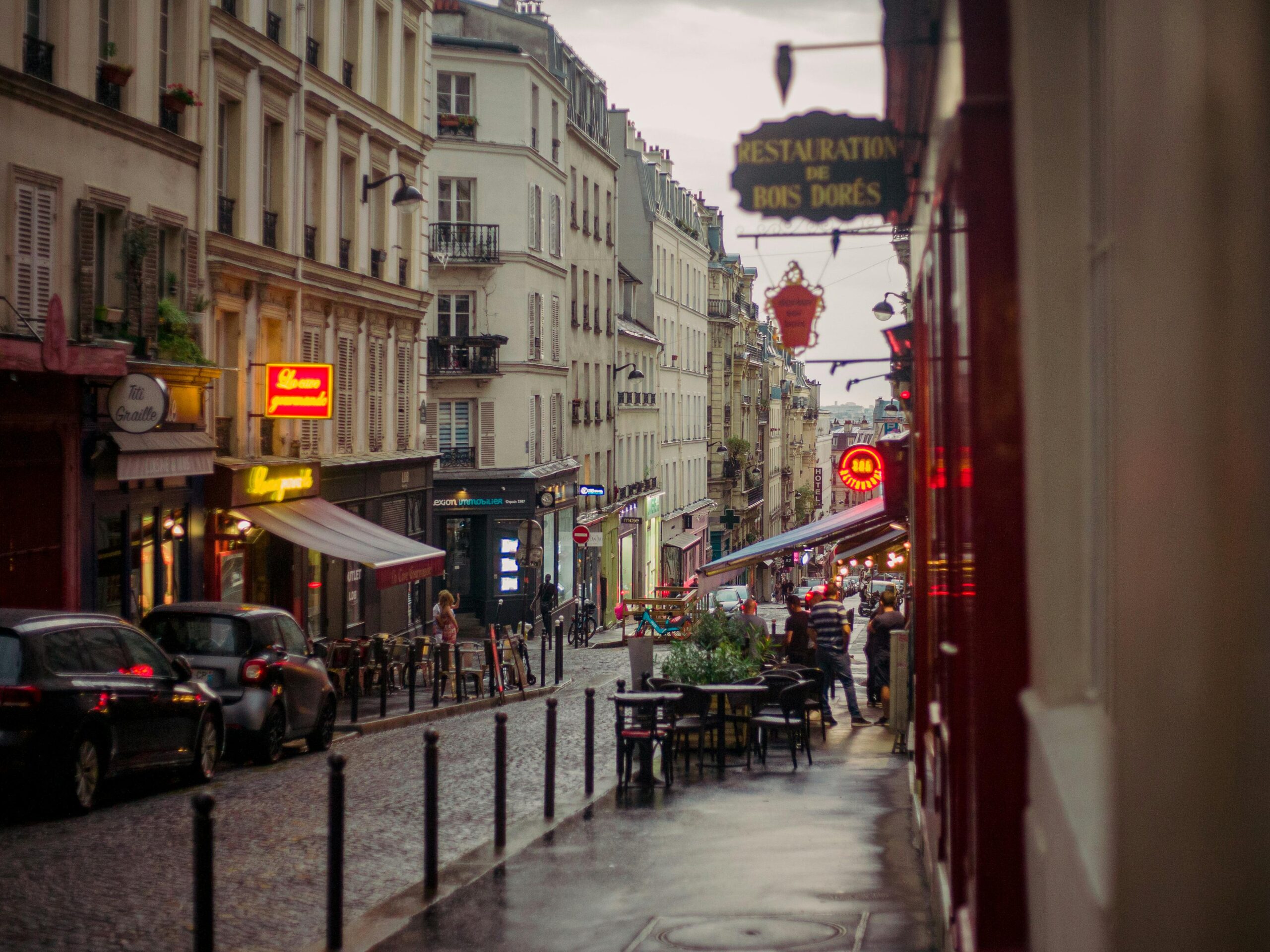
Meeting someone in a busy place can be stressful, especially in a language you are still learning. This article explains useful Brazilian Portuguese phrases, short dialogues, and tips to help you navigate crowded environments like mercados, estações de metrô, festas, and ruas movimentadas with confidence and clarity.
- Planning and arranging a meeting
- Arriving and confirming the meeting
- Getting someone’s attention in a crowd
- Describing where you are
- Short dialogues for typical busy locations
- Clarifying and asking for repeats
- Politeness and safety phrases
- Using gestures and technology to help
- Vocabulary list for busy places
- Pronunciation tips for clarity
- Common mistakes and how to avoid them
- Advanced phrases for nuance
- Real-life mini-scripts to memorize
- Quick reference cheat sheet
- Conclusion
Planning and arranging a meeting
Before you arrive at a busy location, it helps to agree on clear logistics. Use short, direct phrases so your plan is easy to follow amid noise.
Que horas nos encontramos?
What time are we meeting? This is a basic question when arranging a time.
Onde a gente se encontra?
Where do we meet? Use this to request a meeting point. Good meeting points in Portuguese-speaking places are often landmarks like estação, entrada, saída, or caixa.
Perto da entrada principal funciona para você?
Is near the main entrance okay for you? When suggesting a meeting spot, choose a recognizable landmark to avoid confusion.
Usage note: First mention: Que horas, Onde, Perto. Afterwards use Que horas, Onde, Perto in following examples.
Arriving and confirming the meeting
When you arrive, you want to quickly signal that you are there and find the other person. Short, loud phrases work well in noisy places.
Estou aqui
I am here. A simple, direct phrase to announce your presence.
Onde você está?
Where are you? Use this when you cannot see the other person.
Estou perto da entrada principal
I am near the main entrance. Add a small landmark to reduce searching time.
Example:
Estou aqui
Onde você está?
Estou perto da entrada principal
Usage note: The first appearance used Estou and Onde você está. Later mentions should use Estou and Onde você está.
Getting someone’s attention in a crowd
In busy places you often need to get someone’s attention without shouting too loudly. Use polite but clear phrases.
Com licença
Excuse me. Use this to gently attract attention or to pass by someone in a crowd.
Oi, você é o João?
Hi, are you João? Use Oi for casual greetings. If you need a more formal tone, use Olá.
Posso te dar um abraço?
Can I give you a hug? Use this only with friends or family; it is less appropriate for strangers.
Short attention-getting example:
Com licença
Oi, você é a Ana?
Describing where you are
Sometimes you must describe a specific spot when landmarks are not obvious. Use simple prepositions and reference points.
Estou na fila do caixa
I am in the checkout line. Useful in mercados and lojas.
Estou ao lado de uma estátua
I am next to a statue. Use objects or signs as reference.
Estou em frente ao guichê
I am in front of the ticket counter. Common in estações and event venues.
Example with directions:
Estou na fila do caixa, perto da geladeira de bebidas
Estou ao lado de uma estátua pequena, com um chapéu vermelho
Short dialogues for typical busy locations
Here are short, native-like dialogues for mercados, estações de metrô, festas, and ruas. Each dialogue is practical and uses simple structures.
At a mercado
Oi, cheguei ao mercado
Perfeito, estou perto do caixa 3
Então te encontro lá
Notes: Use caixa to refer to checkout counters. If there are many caixas, add a number or color to be specific.
At a estação de metrô
Você está na plataforma?
Sim, estou perto das escadas rolantes
Ótimo, vou descer agora
Usage note: Use plataforma, escadas rolantes, or saída to locate each other precisely in transportation hubs.
At a festa
Onde você está?
Perto do bar, com uma camisa azul
Te vejo em cinco minutos
Social tip: In parties, clothing descriptions (cor da camisa, sapatos) are quick ways to find someone in a crowd.
On a busy street
Estou do lado do ponto de ônibus
OK, eu te vejo vindo da esquina
Use local bus stops, street corners, or shop names as reference points on streets crowded with pedestrians.
Clarifying and asking for repeats
Noise often makes messages garbled. Use polite phrases to ask for repetition or clarification without slowing things down too much.
Pode repetir, por favor?
Can you repeat that, please? Use this to ask for a repeat or louder speech.
Você pode falar mais alto?
Can you speak louder? Useful if background noise is overwhelming.
O que você disse?
What did you say? A casual way to request clarification when you missed words.
Example:
Pode repetir, por favor?
Desculpa, você pode falar mais alto?
Politeness and safety phrases
Being polite and clear helps reduce stress when meeting in crowds. These phrases keep interactions smooth and safe.
Com licença, posso passar?
Excuse me, may I pass? Use this to ask for room to move through crowds.
Desculpe, você viu minhas chaves?
Sorry, did you see my keys? Use Desculpe to apologize or to get someone’s attention for help.
Tem alguém com você?
Is there someone with you? Use this when you want to confirm who the other person is with for safety reasons.
Using gestures and technology to help
Combining speech with gestures or technology makes meetings faster and clearer. Short phrases plus gestures are common among Brazilian speakers.
Pointing while saying Estou aqui makes it easy for a partner to spot you. Waving and smiling helps too.
Use your phone to send a quick location pin with Eu estou aqui or a photo of the spot to avoid confusion. A voice note with Estou na frente do prédio também works well in noisy environments.
Vocabulary list for busy places
Here is a compact list of useful words and their typical uses. The first appearance of each term is bolded, subsequent mentions are italicized in this section.
Entrada – entrance
Saída – exit
Caixa – checkout counter or cashier
Plataforma – platform (train/metro)
Escadas – stairs
Escadas rolantes – escalator
Bar – bar
Ponto de ônibus – bus stop
Praça – square or plaza
Usage note: After these bold introductions, use Entrada, Saída, Caixa, Plataforma, Escadas, Escadas rolantes, Bar, Ponto de ônibus, and Praça when referring to them elsewhere in the article.
Pronunciation tips for clarity
Pronunciation can be more important than perfect grammar in noisy situations. Speak slightly louder than normal, articulate endings, and use short sentence chunks.
Brazilian Portuguese tends to reduce unstressed vowels. In crowded spaces, keep vowels clear: say Estou with a clear o rather than a muted uh. For questions, raise your intonation: Onde você está?
Also, slow down just a bit. Native speakers often speak quickly, but reducing your speed by a small amount helps listeners pick up key words like entrada, caixa, or plataforma.
Common mistakes and how to avoid them
Beginners often make predictable errors in busy-meeting contexts. Knowing them helps you avoid confusion.
Overuse of long sentences: Keep messages short. Replace Eu cheguei no mercado e estou indo para o caixa que fica lá no fundo with Estou no caixa 3.
Missing landmarks: Always name a clear object or sign. Saying Estou perto does not help; say Estou perto da estátua or Estou junto ao relógio.
Not confirming identity: In crowded, public places, confirm identity with Você é a Maria? to avoid mistaking strangers for friends.
Advanced phrases for nuance
As you improve, these slightly more advanced expressions allow more nuance for timing and movement.
Estou chegando
I am on my way. Use this when you are nearby but not yet at the meeting point.
Já vou
I’m going now. A casual way to say you are leaving to meet someone.
Me espera, por favor
Wait for me, please. Use this with friends, or add por favor for politeness with acquaintances.
Real-life mini-scripts to memorize
Memorize short scripts for fast recall. Practice aloud using the exact words; repetition in context helps you respond automatically under stress.
Script 1 – metro:
Estou na plataforma 2, perto das escadas rolantes
Be careful to announce platform number and a clear physical landmark.
Script 2 – mercado:
Estou no caixa 5, com uma sacola azul
Clothing and object details speed up the reunion.
Script 3 – festa:
Cheguei, estou no bar, perto da janela
Mentioning an easily visible location like janela or varanda helps your friend find you fast.
Quick reference cheat sheet
Keep these four short phrases in your pocket mentally when you expect to meet someone in a crowd.
Estou aqui — I am here
Onde você está? — Where are you?
Com licença — Excuse me
Perto da entrada principal — Near the main entrance
Conclusion
Meeting someone in a busy place becomes manageable with a few reliable Brazilian Portuguese phrases, clear landmarks, and short scripts. Practice the key expressions, slow your speech slightly, and use gestures or a phone location when needed to make reunions quick and stress-free.