Introduction
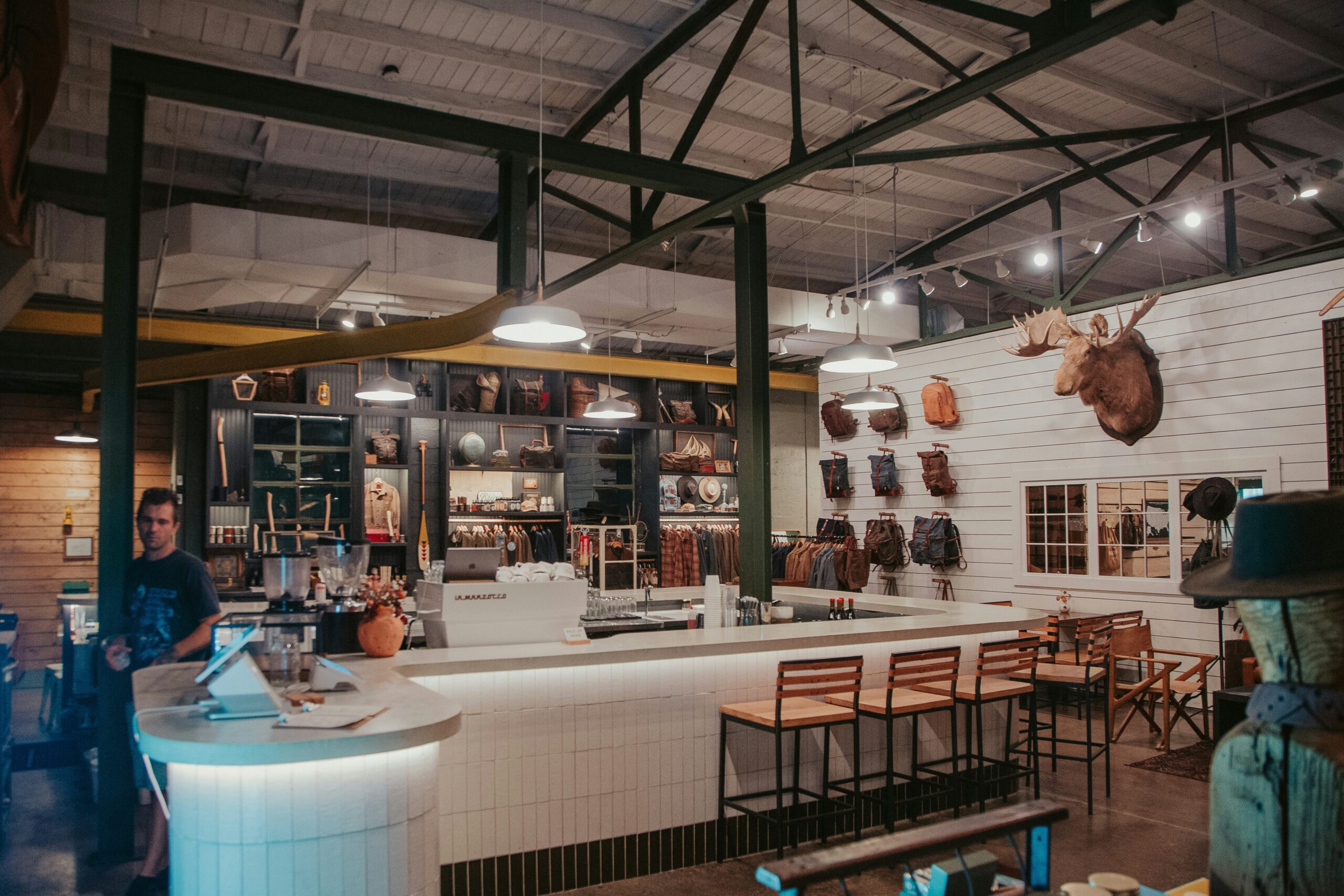
Meeting someone at a café is a common and friendly situation to practice conversational Brazilian Portuguese. This article explains what to say, how to sound natural, and which polite phrases and small talk topics work best. Examples, short dialogues, and usage notes will help beginners and intermediate learners feel confident ordering, greeting, and keeping a conversation going.
- Before you arrive: quick phrases to confirm plans
- Entering the café: greetings and small talk
- Ordering at the counter: common phrases
- Sitting down: beginning the conversation
- Small talk topics that work well in a café
- Polite phrases to keep and end the meeting
- Short example dialogues
- Pronunciation and tone tips
- Usage notes and cultural tips
- Common mistakes to avoid
- More phrases to expand your café vocabulary
- Conclusion
Before you arrive: quick phrases to confirm plans
Use simple messages to confirm the meeting time and place. These short phrases sound natural and polite.
Oi, tudo bem? Chego às 14h no café da esquina.
Oi, tudo bem? Chego às 14h no café da esquina.
Vou chegar um pouco atrasado, pode me esperar cinco minutos?
Vou chegar um pouco atrasado, pode me esperar cinco minutos?
Você está chegando? Estou na porta.
Você está chegando? Estou na porta.
Entering the café: greetings and small talk
Polite ways to greet someone
When you meet the person, choose a greeting that matches the level of formality. Use these to start the interaction smoothly.
Olá, que bom te ver!
Olá, que bom te ver!
Oi, tudo bem com você?
Oi, tudo bem com você?
Boa tarde, como você está?
Boa tarde, como você está?
Casual welcome phrases
For friends or people you know, use relaxed expressions that Brazilians use in daily life.
Que saudade, faz tempo que não a gente se vê.
Que saudade, faz tempo que não a gente se vê.
Que bom que veio, já estava pensando em tomar um café.
Que bom que veio, já estava pensando em tomar um café.
Ordering at the counter: common phrases
Basic ordering vocabulary
Knowing a few key words will make ordering easier. Highlight the main items and verbs.
Café, espresso, pingado, com leite, cappuccino.
Café, espresso, pingado, com leite, cappuccino.
Pão de queijo, brigadeiro, bolo de cenoura, sanduíche.
Pão de queijo, brigadeiro, bolo de cenoura, sanduíche.
Useful phrases to order
These phrases are polite and common in Brazilian cafés. Use them at the counter or to the person taking your order.
Eu queria um café com leite, por favor.
Eu queria um café com leite, por favor.
Você pode me trazer um pão de queijo?
Você pode me trazer um pão de queijo?
Tem opção sem lactose?
Tem opção sem lactose?
Asking about sizes and extras
When you need clarification about portions, use these short questions.
Qual o tamanho? pequeno, médio, grande.
Qual o tamanho? pequeno, médio, grande.
Posso adicionar chantilly ou canela?
Posso adicionar chantilly ou canela?
Sitting down: beginning the conversation
Comfortable opening lines
After ordering, move to your table and open the conversation with casual topics: the café, the weather, or how their day is going.
Que lugar aconchegante, adorei o ambiente.
Que lugar aconchegante, adorei o ambiente.
O clima está ótimo hoje, não é?
O clima está ótimo hoje, não é?
Como foi seu dia?
Como foi seu dia?
Showing interest and listening
Use short phrases to encourage the other person to keep talking and to show active listening.
Sério? Conta mais.
Sério? Conta mais.
Que legal, me conta como foi.
Que legal, me conta como foi.
Entendi, faz sentido.
Entendi, faz sentido.
Small talk topics that work well in a café
Food and drink
Talking about the menu or local specialties is natural in a café setting. These phrases help you share opinions and ask questions.
Você já experimentou o bolo de fubá daqui?
Você já experimentou o bolo de fubá daqui?
Eu recomendo o cappuccino, é bem cremoso.
Eu recomendo o cappuccino, é bem cremoso.
Work and studies
Ask about their job or studies with simple, relaxed questions that invite more detail.
Você trabalha com o quê?
Você trabalha com o quê?
Como estão as aulas?
Como estão as aulas?
Hobbies and weekend plans
These topics keep the conversation light and friendly and are ideal for a first or second meeting.
O que você gosta de fazer no tempo livre?
O que você gosta de fazer no tempo livre?
Vai fazer algo especial no fim de semana?
Vai fazer algo especial no fim de semana?
Polite phrases to keep and end the meeting
Showing appreciation for the meeting
When you want to express gratitude or pleasure about the visit, these phrases are warm and culturally appropriate.
Obrigada pela companhia, adorei conversar com você.
Obrigada pela companhia, adorei conversar com você.
Foi ótimo te ver, a conversa foi muito boa.
Foi ótimo te ver, a conversa foi muito boa.
Suggesting future plans
If you want to meet again, these natural suggestions help set the stage for a next encounter.
Vamos marcar de nos ver de novo na próxima semana?
Vamos marcar de nos ver de novo na próxima semana?
Podemos ir ao cinema ou a outro café qualquer dia.
Podemos ir ao cinema ou a outro café qualquer dia.
Leaving politely
End the meeting with courteous, friendly phrases that suit both formal and informal relationships.
Preciso ir, mas conversamos mais depois.
Preciso ir, mas conversamos mais depois.
Até mais, foi um prazer.
Até mais, foi um prazer.
Short example dialogues
Dialogue 1: friends meeting
Ana: Oi, tudo bem?
Bruno: Oi, tudo bem! Que bom te ver.
Ana: Que saudade. Você já pediu?
Bruno: Sim, pedi um café e um pão de queijo. Quer dividir?
Ana: Claro, obrigada!
Dialogue 2: first meeting
Marcos: Olá, prazer, eu sou o Marcos.
Carla: Olá, prazer, eu sou a Carla. Como foi seu dia?
Marcos: Foi bem corrido, mas agora está melhor. E o seu?
Carla: Tranquilo. Que lugar aconchegante, né?
Pronunciation and tone tips
Stress and rhythm in casual speech
Brazilian Portuguese has a musical rhythm. Keep sentences light, and stress key words for emphasis. For example, emphasize the main verb or noun in a sentence like Eu queria um café. This sounds more natural than a monotone delivery.
Politeness through intonation
Rising intonation on a question makes it friendlier. Short yes/no questions like Você veio de bicicleta? should sound curious, not abrupt. Pauses are also useful to show you are listening, especially after the other person shares something personal.
Usage notes and cultural tips
Using formal vs informal address
Most cafés in Brazil call people by tu or você depending on region. In many urban areas, você is common for casual conversation. Use senhor or senhora only in very formal contexts or with older people if you want to be polite and cautious.
Tipping and paying
In cafés, people usually pay at the counter or ask for the bill. If you split the bill, say Vamos dividir? or Posso ficar com a conta? Mentioning a tip is not required in every small café; a service fee might be included for larger groups.
Body language and personal space
Brazilians can be expressive and may use more gestures and closer personal distance than some English speakers are used to. Smile, maintain friendly eye contact, and match the other person’s energy. If you are unsure, mirror their level of closeness slowly.
Common mistakes to avoid
Avoid literal translations from English that sound unnatural. For example, saying take care as pegar cuidado does not work. Instead use se cuida or fica bem. Also, do not overuse formal pronouns if the social context is casual; you may sound stiff or distant.
Over-apologizing
While apologizing when late is polite, Brazilians typically accept small delays with ease. A simple desculpa pelo atraso is enough. Repeated apologies can make the situation awkward.
Overusing direct translations of please
In Portuguese, por favor is polite but not required in every sentence. Brazilians often soften requests with intonation and verbs like poderia or você pode.
More phrases to expand your café vocabulary
Deixa eu ver, quero pensar um pouco.
Deixa eu ver, quero pensar um pouco.
Quanto custa o cappuccino?
Quanto custa o cappuccino?
Tem wi-fi? Qual é a senha?
Tem wi-fi? Qual é a senha?
Conclusion
Meeting someone at a café in Brazil is a relaxed and friendly experience. Learning these greetings, ordering phrases, small talk topics, and cultural notes will help you feel comfortable and natural. Practice these expressions, pay attention to tone and body language, and you will soon enjoy seamless café conversations in Brazilian Portuguese.