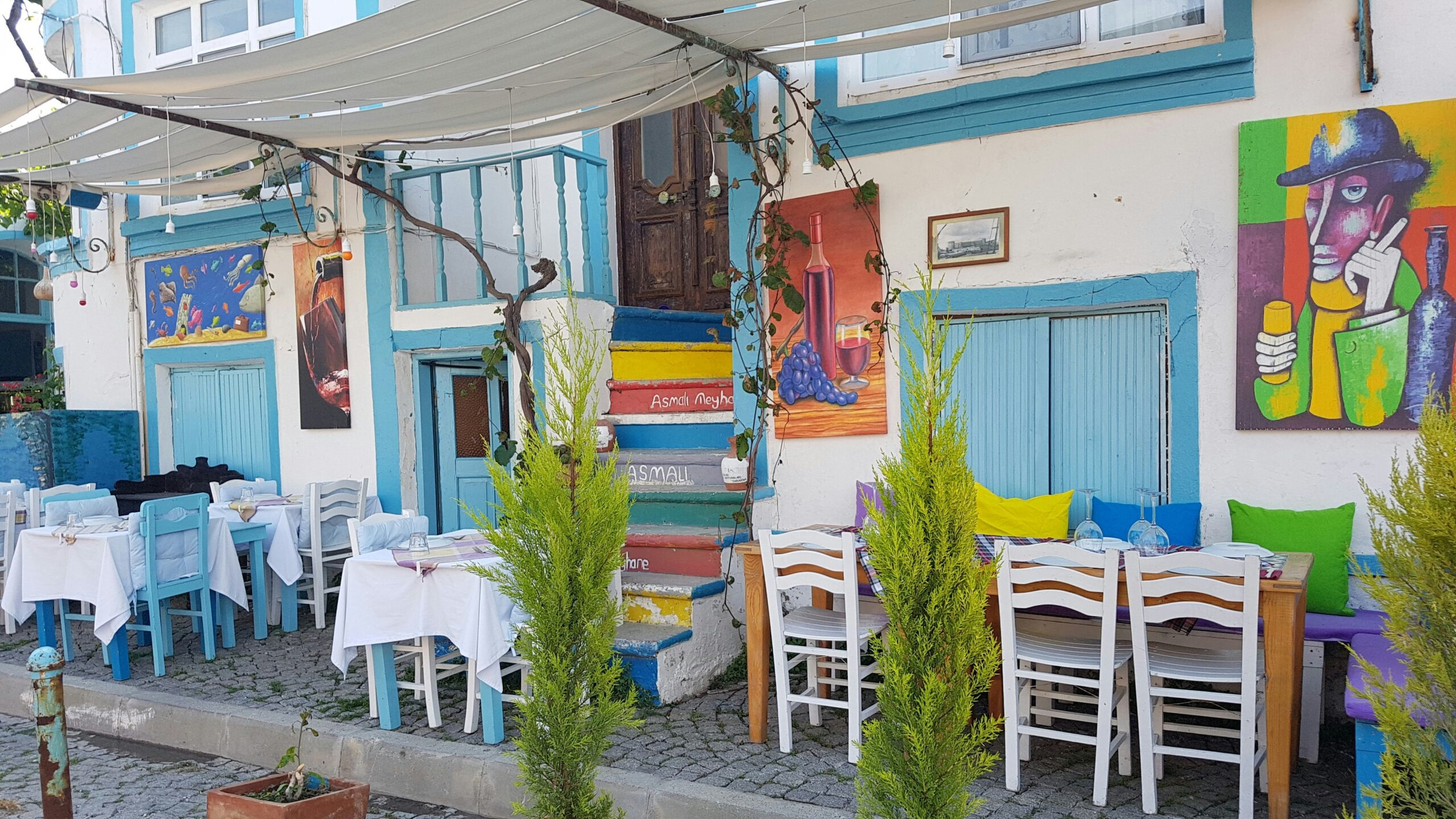
Introduction
Learning Portuguese vocabulary involves understanding words that capture the essence of everyday conversation and cultural expression. One such word that appears frequently in both formal and informal contexts is típico. This versatile adjective helps learners describe what is characteristic, representative, or expected in various situations. Whether you are discussing Brazilian cuisine, commenting on weather patterns, or describing someone’s predictable behavior, mastering típico will enhance your ability to communicate nuances in Portuguese. This comprehensive guide explores the meaning, usage, pronunciation, and cultural context of this essential word, providing you with the tools to use it confidently in your Portuguese conversations. Understanding típico opens doors to more natural and authentic expression in Brazilian Portuguese.
Meaning and Definition
Core Definition
The word típico is an adjective in Portuguese that translates to typical, characteristic, or representative in English. It describes something that displays the distinctive qualities or features of a particular person, place, thing, or situation. When something is típico, it conforms to a type, represents a standard example, or exhibits the expected traits of its category. The word carries the sense of being emblematic or archetypal of something larger.
Etymology and Linguistic Origins
The Portuguese word típico derives from the Latin typicus, which itself came from the Greek typikos, meaning pertaining to a type or model. The Greek root typos referred to a mark, impression, or figure that served as a pattern. This etymological journey reflects how the word has maintained its core meaning of representing a standard or characteristic example across centuries and languages. The Latin influence is evident in similar words across Romance languages, such as Spanish típico, Italian tipico, and French typique, all sharing the same fundamental meaning and Latin heritage.
Grammatical Gender and Agreement
As an adjective in Portuguese, típico must agree in gender and number with the noun it modifies. The masculine singular form is típico, the feminine singular is típica, the masculine plural is típicos, and the feminine plural is típicas. This grammatical feature is essential for proper usage. For example, you would say um prato típico (a typical dish, masculine) but uma comida típica (a typical food, feminine). Understanding these agreements ensures accurate and natural-sounding Portuguese.
Semantic Nuances
Beyond its basic meaning, típico can carry subtle connotations depending on context. It can be neutral, simply identifying characteristic features, or it can be slightly negative when describing predictable or stereotypical behavior. For instance, saying isso é típico dele (that is typical of him) might suggest frustration with someone’s habitual actions. Conversely, when discussing cultural elements like comida típica brasileira (typical Brazilian food), the word carries positive associations with authenticity and tradition. Recognizing these nuances helps learners use the word appropriately in different social contexts.
Usage and Example Sentences
Describing Cultural Elements
One of the most common uses of típico involves describing cultural traditions, foods, and customs:
A feijoada é um prato típico do Brasil.
Translation: Feijoada is a typical dish from Brazil.
Visitamos um restaurante típico com música ao vivo.
Translation: We visited a typical restaurant with live music.
As festas juninas são celebrações típicas desta região.
Translation: June festivals are typical celebrations of this region.
Characterizing Behavior and Personality
The word frequently appears when discussing someone’s characteristic behaviors or traits:
Esse comentário é típico da Maria, sempre otimista.
Translation: That comment is typical of Maria, always optimistic.
É típico dele chegar atrasado nas reuniões.
Translation: It is typical of him to arrive late to meetings.
Describing Weather and Natural Phenomena
Weather patterns and seasonal characteristics often employ this adjective:
Dezembro tem um clima típico de verão com temperaturas altas.
Translation: December has typical summer weather with high temperatures.
A chuva forte é típica desta época do ano.
Translation: Heavy rain is typical of this time of year.
Academic and Formal Contexts
In more formal or academic writing, típico describes representative examples or characteristic features:
Este é um exemplo típico de arquitetura colonial portuguesa.
Translation: This is a typical example of Portuguese colonial architecture.
Os sintomas típicos incluem febre e dor de cabeça.
Translation: Typical symptoms include fever and headache.
Everyday Conversational Usage
In casual conversation, the word appears naturally in various contexts:
Que situação típica de segunda-feira!
Translation: What a typical Monday situation!
Synonyms, Antonyms, and Word Usage Differences
Common Synonyms
Several Portuguese words share similar meanings with típico, each with subtle distinctions. The word característico emphasizes defining features or qualities that distinguish something, often used in more formal or technical contexts. Representativo suggests something that serves as a good example or stands for a larger group. Habitual focuses on repeated or customary actions, emphasizing frequency rather than representativeness. Tradicional highlights connection to long-standing customs and heritage, particularly in cultural contexts. Comum indicates something ordinary or frequently encountered, though it lacks the sense of being emblematic that típico conveys.
Key Antonyms
Understanding opposites helps clarify meaning. Atípico directly negates típico, describing something unusual or not characteristic. Incomum suggests rarity or something not frequently encountered. Excepcional indicates something extraordinary that stands out from the norm. Anormal implies deviation from standard or expected patterns, sometimes with negative connotations. Extraordinário describes something remarkable or beyond the ordinary, emphasizing positive uniqueness.
Usage Differences and Context
While these synonyms overlap, context determines the best choice. When discussing food or cultural practices, típico and tradicional often work interchangeably, though tradicional emphasizes historical continuity more strongly. For behavior patterns, habitual focuses on repetition while típico emphasizes characterization. In scientific or technical writing, característico may sound more formal than típico. Representativo works well when selecting examples that stand for a larger category. Understanding these nuances allows for more precise and sophisticated Portuguese expression.
Pronunciation and Accent
Phonetic Transcription
The International Phonetic Alphabet (IPA) transcription for típico in Brazilian Portuguese is [ˈt͡ʃi.pi.ku] or [ˈti.pi.ku], depending on regional variation. The accent mark over the letter i indicates that this syllable receives primary stress. The first syllable tí is pronounced with emphasis, while the remaining syllables pi and co are unstressed. This stress pattern is crucial for natural-sounding pronunciation and distinguishes the word from potential misunderstandings.
Syllable Breakdown and Stress
Breaking down típico into syllables: tí-pi-co. The word has three syllables with the stress falling on the first syllable, marked by the acute accent (´) over the i. This makes it a proparoxytone word (palavra proparoxítona) in Portuguese, meaning the antepenultimate syllable is stressed. All proparoxytone words in Portuguese carry written accent marks, making them easy to identify and pronounce correctly. The stress pattern remains consistent across all grammatical forms: típica, típicos, and típicas.
Regional Pronunciation Variations
Brazilian Portuguese pronunciation shows some regional variation for the initial t sound. In many parts of Brazil, particularly Rio de Janeiro and surrounding areas, the t before the vowel i is palatalized, pronounced as [t͡ʃ] (similar to the ch sound in English church). In other regions, particularly in southern Brazil, speakers may pronounce it closer to
Common Pronunciation Mistakes
Learners often make several predictable errors when pronouncing típico. One common mistake is placing stress on the wrong syllable, saying ti-PÍ-co instead of TÍ-pi-co. Another error involves pronouncing the final o as a pure [o] sound rather than the reduced [u] sound that is standard in Brazilian Portuguese. English speakers may also struggle with the rolled or tapped r in related words, though típico itself does not contain this challenge. Practicing with native speakers or audio resources helps overcome these difficulties.
Native Speaker Nuance and Usage Context
Formal versus Informal Contexts
Native speakers use típico comfortably across all registers, from casual conversation to formal writing. In informal settings, it often appears in observations about everyday life, predictable behaviors, or familiar situations. Friends might laugh together saying isso é tão típico (that is so typical) when something expected happens. In formal contexts like academic papers, business reports, or news articles, típico maintains a professional tone while clearly indicating characteristic or representative examples. The word’s versatility makes it valuable in all communication situations.
Cultural and Emotional Connotations
The emotional weight of típico varies significantly based on context and tone. When discussing cultural heritage, traditional foods, or regional customs, the word carries warm, positive associations with authenticity and identity. Brazilians take pride in comida típica and festas típicas, viewing them as important cultural expressions. However, when describing someone’s predictable negative behavior, típico can express mild frustration or resignation. The phrase típico followed by a person’s name often suggests they have acted exactly as expected, for better or worse. Tone of voice and context provide essential clues to the intended meaning.
Common Collocations and Fixed Expressions
Certain word combinations with típico occur frequently in Brazilian Portuguese. Prato típico (typical dish), comida típica (typical food), and restaurante típico (typical restaurant) form a semantic cluster around cuisine and dining. Roupa típica (traditional clothing) and dança típica (traditional dance) appear in cultural discussions. The expression é típico de (it is typical of) introduces characteristic behaviors or features. Understanding these common collocations helps learners sound more natural and fluent in their Portuguese communication.
Regional Variations in Usage
While típico is used throughout Brazil with consistent meaning, regional differences exist in what things are considered típico of each area. What constitutes comida típica varies dramatically from the Northeast to the South, reflecting diverse culinary traditions. In tourism contexts, each region promotes its festas típicas and atrações típicas (typical attractions) as unique draws for visitors. Understanding that típico always references local or category-specific characteristics helps learners navigate these regional variations. The word itself remains stable while what it describes shifts based on geographic and cultural context.
Social and Pragmatic Considerations
Using típico appropriately requires sensitivity to social dynamics. When commenting on someone’s behavior as típico, consider your relationship with that person and the social setting. Among close friends, such observations are generally acceptable and often humorous. In professional settings or with acquaintances, similar comments might seem critical or inappropriate. When discussing cultural topics, emphasizing what is típico demonstrates interest and respect for local traditions, which Brazilians generally appreciate. Foreign learners who correctly identify and comment on aspectos típicos of Brazilian culture often receive positive responses from native speakers who appreciate the recognition of their cultural identity.
Advanced Usage Patterns
Comparative and Superlative Forms
Like other adjectives, típico can be modified to express comparative and superlative meanings. The comparative form uses mais típico (more typical) or menos típico (less typical): Este prato é mais típico do que aquele (This dish is more typical than that one). The superlative form employs o mais típico (the most typical): Esta é a comida mais típica da região (This is the most typical food of the region). These constructions allow for nuanced comparisons and evaluations of how representative or characteristic something is.
Idiomatic Expressions and Phrases
Several idiomatic expressions incorporate típico. The phrase caso típico (typical case) appears in medical, legal, and academic contexts to introduce representative examples. Exemplo típico (typical example) serves a similar function across disciplines. In casual speech, Brazilians might say com uma cara típica (with a typical face) to describe someone displaying expected facial expressions or attitudes. These phrases enrich conversational Portuguese and demonstrate advanced command of the language.
Using Típico in Questions
Questions incorporating típico seek information about characteristic features or typical patterns. Common question structures include: O que é típico desta região? (What is typical of this region?), Qual é o prato típico daqui? (What is the typical dish here?), and É típico chover nesta época? (Is it typical to rain at this time?). These questions are essential for learners traveling in Brazil or engaging with Brazilian culture, as they demonstrate curiosity and facilitate cultural exchange. Natives respond positively to such questions, often providing detailed explanations of local traditions and customs.
Conclusion
Mastering the word típico significantly enhances your Portuguese vocabulary and cultural understanding. This versatile adjective appears across countless contexts, from describing Brazilian cuisine and traditions to characterizing weather patterns and personal behaviors. By understanding its etymology, pronunciation, grammatical agreements, and nuanced meanings, you can use típico with confidence and precision. Remember that context determines whether the word carries neutral, positive, or slightly negative connotations, and pay attention to how native speakers employ it in various situations. Practice using típico in your own sentences, listen for it in Portuguese media and conversations, and notice the collocations and expressions where it commonly appears. As you continue your Portuguese learning journey, this essential word will help you communicate more authentically and understand Brazilian culture more deeply. Whether discussing what makes something characteristically Brazilian or commenting on predictable situations, típico remains an indispensable tool in your linguistic toolkit.