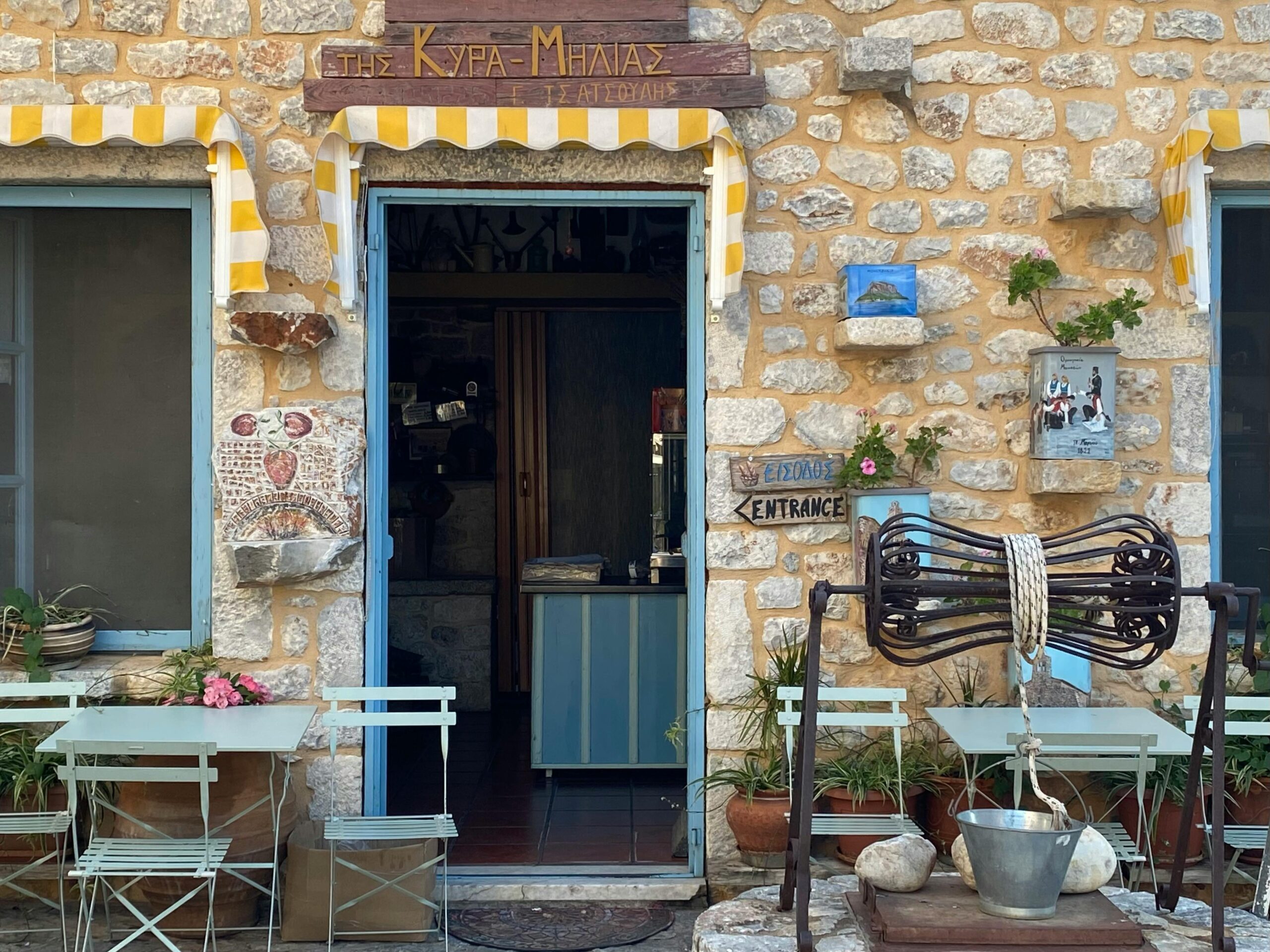
Introduction
Visiting a bread shop in Brazil is a common daily activity. This guide teaches beginner-friendly Brazilian Portuguese phrases and vocabulary for buying pão, asking about ingredients, ordering coffee, and handling basic payments. Learn useful words, polite expressions, short dialogues, and common mistakes to feel confident at a padaria.
- Basic vocabulary for the bread shop
- Key phrases for greeting and getting attention
- Ordering bread and asking about options
- Asking about freshness, ingredients, and price
- Common replies from staff (what you might hear)
- Short sample dialogues
- Ordering coffee and simple combos
- Handling payment and receipts
- Polite closings and thanks
- Simple tips for beginners
- Common beginner mistakes and corrections
- More realistic mini-dialogues for practice
- Pronunciation tips for key words
- Useful quick-reference phrase list
- Conclusion
Basic vocabulary for the bread shop
Start with must-know nouns and verbs you will see or use at a padaria (bread shop).
padaria – bread shop, bakery
pão – bread
pão francês – Brazilian small crusty roll (very common)
broa – corn or cornmeal bread (regional variations)
bolo – cake
torta – pie or tart
coxinha – a savory fried snack filled with chicken
pão de queijo – cheese bread (popular snack)
torrada – toast
café – coffee
suco – juice
doces – sweets, desserts
fatiado – sliced
inteiro – whole
quente – hot
frio – cold
por favor – please
obrigado / obrigada – thank you (male / female speaker)
com licença – excuse me
Key phrases for greeting and getting attention
When you enter, start politely and get the staff’s attention.
Bom dia – Good morning
Boa tarde – Good afternoon
Boa noite – Good evening / Good night
Com licença, onde ficam os pães?
Por favor, você pode me ajudar?
Ordering bread and asking about options
Here are short, practical phrases to request bread, quantities, and types.
Quero dois pães franceses, por favor.
Eu gostaria de um pão de queijo.
Tem pão integral?
Este é fatiado?
Posso levar um bolo inteiro?
Tem sem glúten?
Tem opções veganas?
Asking about freshness, ingredients, and price
Beginners often need to confirm if items are fresh or contain allergens. Use simple direct questions.
Este pão é fresco?
Quanto custa este pão?
Qual é o preço do pão de queijo?
Tem açúcar neste bolo?
Tem leite ou ovo?
Common replies from staff (what you might hear)
Understanding short replies helps you respond naturally.
Sim, é fresco.
Não, não tem leite.
São três reais cada.
Temos fatiado e inteiro.
Vai querer mais alguma coisa?
Short sample dialogues
Here are realistic beginner-friendly dialogues you can use or listen for.
Customer:
Bom dia.
Quero três pães franceses, por favor.
Staff:
Bom dia.
São três reais.
Vai querer café?
Customer:
Sim, um café quente, por favor.
Customer:
Tem pão integral?
Staff:
Tem, está ali.
Quer fatiado?
Customer:
Sim, por favor.
Ordering coffee and simple combos
Padarias often sell coffee and combos like coffee with pão de queijo. Use these phrases to order beverages.
Um café pequeno, por favor.
Um cafezinho, por favor.
Com leite ou sem leite?
Quero um cafezinho e um pão de queijo.
Handling payment and receipts
Learn vocabulary and phrases to pay and ask about payment methods.
Quanto fica no total?
Posso pagar com cartão?
Aceita crédito?
Em dinheiro, por favor.
Precisa de nota fiscal?
Guarda o troco, por favor. (Keep the change, please)
Polite closings and thanks
Finish the interaction politely to leave a good impression.
Obrigado / Obrigada.
Tenha um bom dia.
Até mais.
Simple tips for beginners
Short practical advice to improve communication at a padaria.
Speak slowly and use por favor and obrigado/obrigada.
Point to the item while saying its name if you are unsure of pronunciation.
Learn numbers 1-10 to order quantities: um, dois, três, quatro, cinco, seis, sete, oito, nove, dez.
If you do not understand, say Não entendi and ask them to repeat por favor.
Common beginner mistakes and corrections
Knowing frequent errors helps you avoid misunderstandings.
Mistake: Saying tudo bem? as a demand instead of a greeting. Better: use Bom dia to greet.
Mistake: Forgetting gender on obrigado/obrigada. Use the form that matches your gender: obrigado if you are male, obrigada if you are female.
Mistake: Mixing up por favor placement. Both before and after a request are fine: Por favor, um pão, or Um pão, por favor.
More realistic mini-dialogues for practice
Short scenes that cover different common situations in a bread shop.
Customer:
Boa tarde.
Tem pão sem glúten?
Staff:
Tem, aquele ali é sem glúten.
Customer:
Posso experimentar?
Customer:
Quanto custa essa torta?
Staff:
São vinte reais.
Customer:
Posso pagar com cartão?
Customer:
Eu gostaria de dois pães e um suco de laranja.
Staff:
Perfeito.
Vai querer gelo?
Pronunciation tips for key words
Brazilian Portuguese pronunciation is friendly for English speakers. A few pointers:
Pão sounds like pao with a nasal ending; the tilde indicates nasalization.
Café has stress on the second syllable: ca-FÉ.
Pão de queijo: pão (nasal) de KEI-jo; queijo sounds like KEI-zhoo.
Use open vowels in words like bolo (BO-lo) and fatiado (fa-TI-a-do).
Useful quick-reference phrase list
Bom dia
Por favor
Obrigado / Obrigada
Quero dois pães
Quanto custa?
Tem sem glúten?
Posso pagar com cartão?
Não entendi
Conclusion
With these beginner-friendly Brazilian Portuguese phrases and short dialogues, you can handle most routine interactions at a padaria. Focus on greetings, basic vocabulary, polite phrases, and simple questions about price and ingredients. Practice the short dialogues aloud, and use the pronunciation tips to sound natural when ordering pão and café.