Introduction
Learning Portuguese vocabulary goes beyond memorizing individual words—it requires understanding the cultural and historical contexts that shape their meanings. The word povoação is a fascinating example of this linguistic richness. This term connects learners to Brazil’s colonial past, rural traditions, and the ongoing evolution of communities across Portuguese-speaking regions. Whether you’re reading Brazilian literature, planning to visit small towns in Portugal, or simply expanding your vocabulary, understanding povoação will enhance your comprehension of how Portuguese speakers describe settlements and communities. This article provides a comprehensive exploration of this essential word, including its etymology, practical usage, pronunciation guide, and the subtle nuances that native speakers intuitively understand. By the end, you’ll be able to use povoação confidently and appropriately in various contexts.
Meaning and Definition
Core Definition
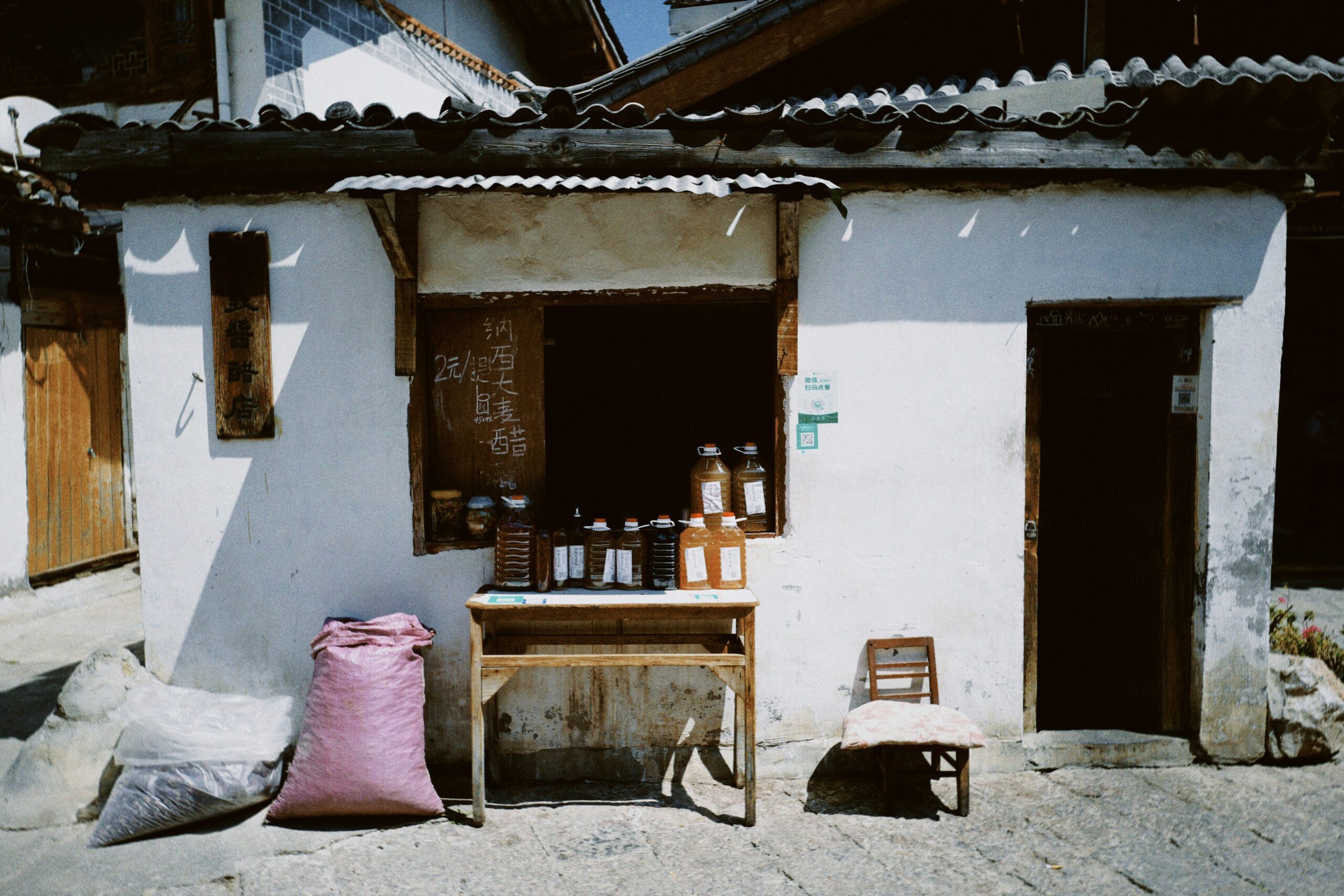
The word povoação refers to a small settlement, village, or populated place. It describes a community of people living in a specific location, typically smaller than a town or city. In Brazilian Portuguese, povoação often evokes images of rural or semi-rural communities where residents maintain close social ties and traditional ways of life. The term carries connotations of modest size, simplicity, and often a degree of isolation from major urban centers.
Etymology and Historical Background
The word povoação derives from the Portuguese verb povoar, meaning to populate or settle. The suffix -ção transforms the verb into a noun indicating the result or place of the action. This linguistic structure reflects the historical process of colonization and settlement that characterized Portuguese expansion. During Brazil’s colonial period, povoação was frequently used in official documents to describe newly established settlements along rivers, coastlines, and in the interior. Understanding this historical context helps learners appreciate why povoação often appears in discussions about rural development, historical geography, and traditional communities. The word connects directly to the Portuguese concept of povoamento, which refers to the broader process of populating a territory.
Semantic Range and Nuance
While povoação primarily means a small settlement, its semantic range includes several nuanced applications. It can refer to the physical location itself, the collection of buildings and structures, or the community of people residing there. In some contexts, povoação emphasizes the human element—the act of people coming together to form a community. In others, it focuses on the geographical and architectural aspects of the settlement. This flexibility makes povoação useful across various discourse types, from academic geography to everyday conversation about visiting remote areas.
Usage and Example Sentences
Practical Examples in Context
Understanding how native speakers use povoação in real sentences helps learners grasp its natural application. Here are ten example sentences with English translations:
A povoação mais próxima fica a quinze quilômetros daqui.
The nearest settlement is fifteen kilometers from here.
Meus avós cresceram em uma pequena povoação no interior de Minas Gerais.
My grandparents grew up in a small village in the interior of Minas Gerais.
A povoação foi fundada por pescadores no século XVIII.
The settlement was founded by fishermen in the eighteenth century.
Naquela povoação, todos se conhecem pelo nome.
In that village, everyone knows each other by name.
O governo investiu em infraestrutura para melhorar a vida na povoação.
The government invested in infrastructure to improve life in the settlement.
Durante a viagem, passamos por várias povoações ribeirinhas.
During the trip, we passed through several riverside settlements.
A povoação dependia principalmente da agricultura de subsistência.
The village depended mainly on subsistence agriculture.
Os turistas raramente visitam essa povoação isolada.
Tourists rarely visit this isolated settlement.
A igreja é o centro da vida social na povoação.
The church is the center of social life in the village.
Muitos jovens deixaram a povoação em busca de oportunidades nas cidades grandes.
Many young people left the village seeking opportunities in big cities.
Common Collocations and Phrases
Certain words frequently appear alongside povoação in Brazilian Portuguese. Common collocations include pequena povoação (small village), povoação rural (rural settlement), povoação isolada (isolated village), and povoação ribeirinha (riverside settlement). These combinations help learners sound more natural and understand the typical contexts where povoação appears. Additionally, verbs like fundar (to found), desenvolver (to develop), and abandonar (to abandon) commonly associate with povoação when discussing the lifecycle of settlements.
Synonyms, Antonyms, and Related Terms
Synonyms and Near-Synonyms
Several Portuguese words overlap in meaning with povoação, though each carries distinct connotations. The word aldeia is perhaps the closest synonym, typically referring to a small village with a more traditional or rustic character. Vilarejo describes a very small village or hamlet, often smaller than a povoação. Lugarejo emphasizes the remote or insignificant nature of a small place. Arraial historically referred to temporary military camps but now describes small rural settlements, especially in northeastern Brazil. Comunidade emphasizes the social aspect of a group living together rather than the physical settlement. Understanding these distinctions helps learners choose the most appropriate term for specific situations.
Antonyms and Contrasting Terms
Words representing larger or more developed settlements serve as functional antonyms to povoação. Cidade (city) represents a significantly larger, more urbanized community with extensive infrastructure and services. Metrópole (metropolis) describes a major urban center with regional or national importance. Capital refers to a political or administrative center. These contrasting terms help learners understand the scale and character implied by povoação—something distinctly small, often rural, and less developed than urban centers.
Related Word Family
Understanding related words enriches vocabulary acquisition. The verb povoar (to populate, to settle) forms the root of povoação. Povoado can function as both an adjective meaning populated and a noun synonymous with povoação. População refers to the population or inhabitants of a place. Despovoado means unpopulated or deserted. Repovoar means to repopulate. Learning these related terms together creates a semantic network that facilitates retention and natural usage.
Pronunciation and Accent
Phonetic Transcription
In Brazilian Portuguese, povoação is pronounced [po.vo.a.ˈsɐ̃w̃]. Breaking this down: the first syllable po sounds like the English po in pot; vo rhymes with the English vo in vote but shorter; a is an open ah sound; and the final ção is a nasal sound approximately like sown with a nasal quality. The stress falls on the final syllable, which is typical for Portuguese words ending in -ção. The nasal quality of the final syllable is crucial—it’s created by air flowing through both the nose and mouth simultaneously.
Regional Pronunciation Variations
While this article focuses on Brazilian Portuguese pronunciation, it’s worth noting that European Portuguese speakers pronounce povoação somewhat differently. In Portugal, vowel reduction is more pronounced, and the final nasal vowel has a slightly different quality. Brazilian speakers maintain fuller vowel sounds throughout the word. Within Brazil, pronunciation remains relatively consistent across regions, though speakers in Rio de Janeiro and surrounding areas may produce a slightly different quality in the middle vowels due to regional accent features.
Tips for Correct Pronunciation
English speakers learning Portuguese often struggle with nasal vowels. To pronounce the final syllable of povoação correctly, practice saying sow (as in a female pig) while letting air flow through your nose. The ã should feel like it resonates in your nasal cavity. Another common challenge is maintaining the stress on the final syllable—English speakers may incorrectly stress the first syllable due to L1 interference. Practice saying the word slowly, emphasizing the final são, then gradually increase speed while maintaining correct stress placement.
Native Speaker Nuance and Usage Context
Formality Level and Register
The word povoação occupies a relatively formal register in Brazilian Portuguese. While perfectly understandable and acceptable in everyday conversation, it sounds somewhat literary or official. In casual speech, Brazilians more commonly use cidadezinha (little town), vilarejo (small village), or simply describe a place as pequeno (small). Povoação appears frequently in written texts, historical documents, academic geography, news reports about rural development, and formal discussions about settlement patterns. Learners should feel comfortable using povoação in writing and formal speech but recognize that native speakers might choose more colloquial alternatives in informal contexts.
Cultural and Social Connotations
In Brazilian culture, povoação often carries nostalgic or romantic connotations. It may evoke images of simpler times, traditional values, close-knit communities, and connection to nature. Literature and music frequently use povoação to represent authenticity and cultural roots, particularly in contrast to modern urban life. However, the term can also imply limited opportunities, isolation, and lack of services—reflecting the ongoing rural-to-urban migration that has characterized Brazilian demographics. Understanding these layered associations helps learners interpret the emotional and social dimensions beyond the word’s literal meaning.
Appropriate Usage Contexts
Knowing when to use povoação appropriately demonstrates advanced language competence. The term fits naturally when discussing historical settlement patterns, describing rural travel experiences, talking about family origins, analyzing demographic trends, or discussing regional development policies. It would sound odd when describing suburbs of major cities, tourist destinations with significant infrastructure, or any substantially urbanized area. Povoação implies a certain scale and character—think of places with perhaps dozens to a few hundred residents, limited commercial activity, and primarily residential or agricultural function.
Common Learner Mistakes
English speakers learning Portuguese sometimes confuse povoação with população (population), as both relate to people and places. Remember that povoação refers to the settlement itself, while população refers to the number or group of inhabitants. Another mistake involves using povoação for any small place, when more specific terms like bairro (neighborhood) or distrito (district) might be more appropriate. Finally, learners occasionally treat povoação as more colloquial than it actually is, using it in very casual contexts where simpler words would sound more natural.
Conclusion
Mastering the word povoação provides learners with more than just another vocabulary item—it opens windows into Brazilian history, culture, and the diverse geography of Portuguese-speaking regions. This term encapsulates the story of settlement, community formation, and the ongoing relationship between rural and urban spaces in Brazil. By understanding its etymology, proper usage, pronunciation, and cultural connotations, you’ve gained insight into how Portuguese speakers conceptualize and discuss small communities. Remember that while povoação occupies a somewhat formal register, recognizing and understanding it is essential for reading comprehension, travel experiences, and appreciating Brazilian literature and media. As you continue your Portuguese learning journey, pay attention to how native speakers use povoação and related terms in context. This awareness will deepen your linguistic competence and cultural understanding, bringing you closer to true fluency in Brazilian Portuguese.