Introduction
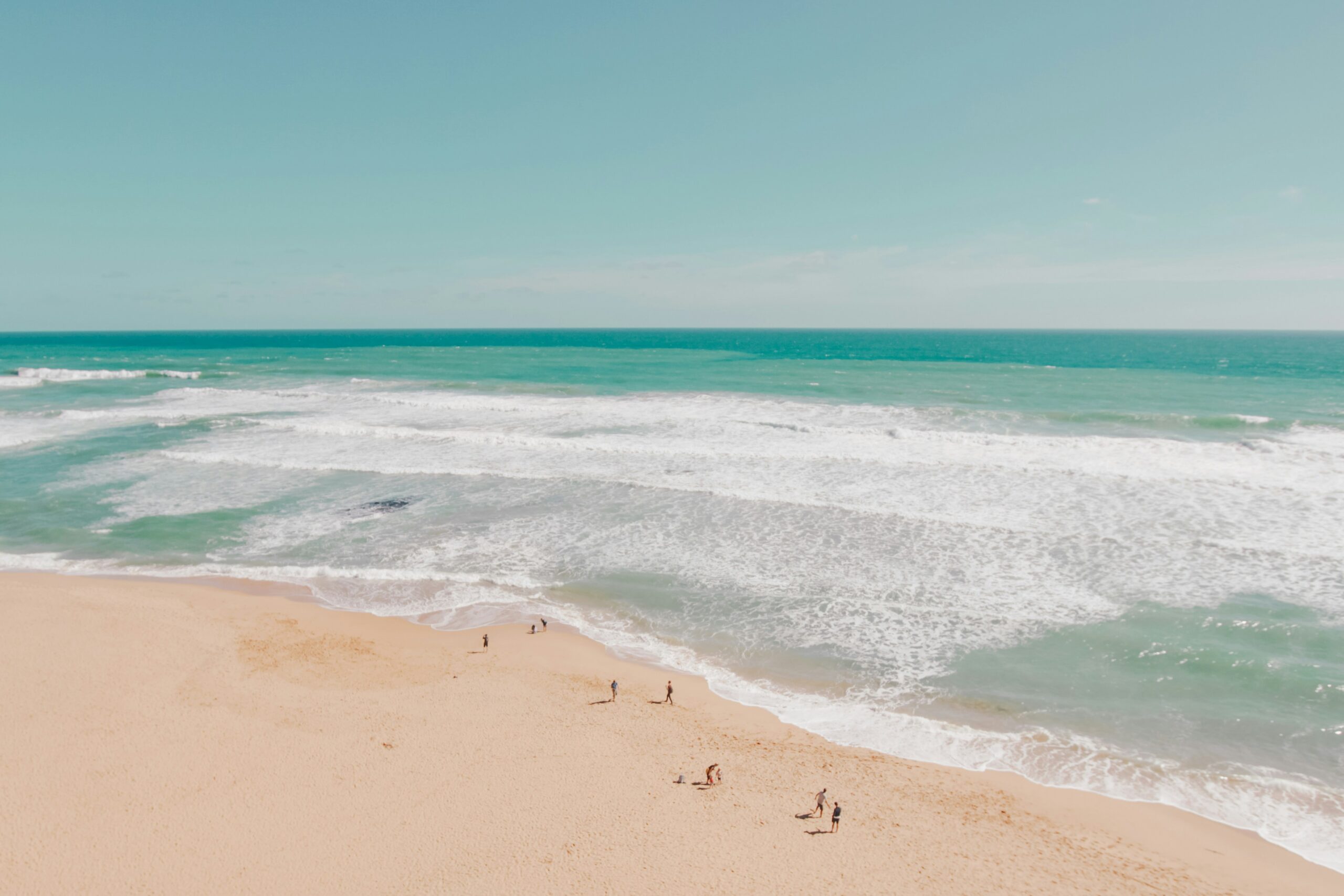
Brazil is renowned for its spectacular coastline, stretching over 7,000 kilometers along the Atlantic Ocean. When Brazilians talk about heading to the beach or discussing coastal regions, they frequently use the word litoral. This essential Portuguese vocabulary term goes beyond simply meaning coast or shoreline—it encompasses the entire coastal zone with its unique geography, culture, and lifestyle. For Portuguese learners, understanding litoral opens doors to conversations about travel, geography, ecology, and Brazilian culture. Whether you’re planning a trip to the beaches of Bahia, discussing marine ecosystems, or reading Brazilian literature, this word appears constantly in both everyday speech and formal writing. Mastering litoral and its various contexts will significantly enhance your ability to communicate about one of Brazil’s most defining geographical features.
Meaning and Definition
Core Definition
The term litoral refers to the coastal region or shoreline where land meets the sea or ocean. In Portuguese, it functions primarily as a masculine noun (o litoral) and can also serve as an adjective (região litoral). The word describes not just the immediate beach area but the entire coastal zone, including beaches, cliffs, dunes, coastal plains, and the adjacent marine environment. This geographical term is fundamental in discussions about oceanography, urban planning, tourism, and environmental conservation.
Etymology and Linguistic Origins
The word litoral derives from the Latin term litoralis, which itself comes from litus or litor, meaning shore or coast. This Latin root spread throughout Romance languages, appearing as littoral in French, litoral in Spanish and Portuguese, and litorale in Italian. The term entered Portuguese during the medieval period and has remained relatively unchanged in form and meaning over centuries. Its Latin origins reflect the ancient Roman emphasis on maritime trade and coastal settlements, themes that remain relevant in modern Portuguese-speaking countries with extensive coastlines.
Semantic Nuances
In Brazilian Portuguese, litoral carries connotations beyond its literal geographical meaning. It evokes images of beach culture, vacation destinations, fishing communities, and the relaxed coastal lifestyle. When someone says they’re going to spend the weekend no litoral, they’re not just indicating a location but suggesting a specific type of experience—sun, sand, seafood, and leisure. The term can describe areas of intense urbanization like the litoral of São Paulo state, or remote, pristine coastal regions in the Northeast. This versatility makes litoral an indispensable word for anyone discussing Brazilian geography or culture.
Usage and Example Sentences
Practical Examples in Context
Here are ten authentic example sentences demonstrating how litoral is used in Brazilian Portuguese:
1. O litoral brasileiro é um dos mais extensos do mundo.
The Brazilian coast is one of the most extensive in the world.
2. Muitas cidades no litoral dependem do turismo como principal fonte de renda.
Many cities on the coast depend on tourism as their main source of income.
3. A preservação ambiental do litoral é essencial para a biodiversidade marinha.
Environmental preservation of the coastal region is essential for marine biodiversity.
4. No verão, milhões de pessoas viajam para o litoral em busca de praias paradisíacas.
In summer, millions of people travel to the coast in search of paradise beaches.
5. O litoral norte de São Paulo tem praias mais preservadas e menos urbanizadas.
The north coast of São Paulo has more preserved and less urbanized beaches.
6. A economia do litoral inclui pesca, turismo e exploração de petróleo.
The coastal economy includes fishing, tourism, and oil exploration.
7. Muitos brasileiros têm uma casa no litoral para passar as férias.
Many Brazilians have a house on the coast to spend their vacations.
8. A erosão costeira está afetando diversas áreas do litoral brasileiro.
Coastal erosion is affecting various areas of the Brazilian coastline.
9. O litoral catarinense é famoso por suas praias de águas cristalinas.
The Santa Catarina coast is famous for its crystal-clear water beaches.
10. Populações tradicionais do litoral, como os caiçaras, preservam costumes ancestrais.
Traditional coastal populations, like the caiçaras, preserve ancestral customs.
Synonyms, Antonyms, and Word Usage Differences
Synonyms and Related Terms
Several words share similar meanings with litoral, though each has subtle distinctions. Costa is perhaps the closest synonym, meaning coast or shoreline, but it often emphasizes the edge where land meets water more than the broader coastal zone. Praia specifically means beach and refers to the sandy shore rather than the entire coastal region. Orla is used for waterfront areas, particularly developed beachfront promenades in cities. Beira-mar literally means seaside and often appears in poetic or romantic contexts. Zona costeira is a more technical geographic term meaning coastal zone, frequently used in environmental and scientific writing.
Antonyms and Contrasting Terms
The primary antonym of litoral is interior, which refers to inland regions away from the coast. Sertão describes the arid interior regions of northeastern Brazil, representing the geographical and cultural opposite of coastal areas. Centro also contrasts with litoral when discussing the central regions of a country or continent. Planalto means plateau or highlands, describing elevated inland areas far from sea level. These contrasting terms help define litoral by highlighting its specific coastal characteristics.
Usage Distinctions
Understanding when to use litoral versus its synonyms is crucial for natural-sounding Portuguese. Use litoral when discussing the coastal region as a geographic, economic, or cultural zone. Choose costa for more general references to the coastline or when translating the English word coast. Select praia when specifically talking about beaches as recreational spaces. Opt for orla when describing developed waterfront areas in urban settings. The choice depends on whether you’re emphasizing the geographic concept, the specific beach environment, or the cultural and economic aspects of coastal life.
Pronunciation and Accent
IPA Notation and Phonetic Breakdown
In Brazilian Portuguese, litoral is pronounced [li.to.ˈɾaw]. Breaking this down by syllable: li [li] uses a clear L sound followed by a closed I vowel; to [to] features a T sound and an open O vowel; ral [ˈɾaw] contains a flapped R (similar to a soft D in American English), an open A vowel, and ends with a W sound (the L at the end of words in Brazilian Portuguese is pronounced like W). The stress falls on the final syllable (ral), making it an oxytone word. This pronunciation pattern is consistent across most Brazilian regions, though some subtle variations exist.
Regional Pronunciation Variations
While the basic pronunciation remains stable throughout Brazil, some regional differences exist. In Rio de Janeiro and surrounding areas, the L at the end might sound slightly more velarized. In southern states like Rio Grande do Sul, influenced by European immigration, the L ending might be pronounced more clearly, closer to [ˈɾal]. In northeastern regions, the flapped R might be softer, and the final W sound might be less prominent. However, these variations are minor, and the standard pronunciation [li.to.ˈɾaw] will be understood everywhere in Brazil. The word carries no accent marks, making it straightforward to read and spell.
Native Speaker Nuance and Usage Context
Cultural Significance
For Brazilians, litoral represents more than a geographical concept—it embodies a lifestyle and cultural identity. The coastal regions have historically been centers of economic activity, from colonial sugar plantations to modern port cities and tourist destinations. Many Brazilians dream of owning property no litoral or retiring there. The term appears in countless songs, poems, and literary works celebrating beach culture, the sea, and coastal life. When discussing urban versus coastal living, people might contrast interior lifestyle with vida no litoral (life on the coast), with the latter often associated with relaxation, natural beauty, and a slower pace.
Formal versus Informal Usage
The word litoral works equally well in formal and informal contexts. In casual conversation, you might hear vamos para o litoral (let’s go to the coast) as a vacation plan. In academic writing, researchers discuss desenvolvimento sustentável no litoral (sustainable development on the coast). News reports frequently reference litoral when covering environmental issues, tourism statistics, or coastal weather. Government documents use litoral in urban planning and environmental policy. This versatility makes it a valuable addition to any learner’s vocabulary, functioning seamlessly across registers from everyday chat to professional discourse.
Common Collocations and Phrases
Native speakers commonly use litoral in specific phrases and collocations. Litoral norte and litoral sul (north coast and south coast) divide coastal regions for tourism and administrative purposes. Região litoral (coastal region) appears frequently in geographic descriptions. Cidades do litoral (coastal cities) refers to municipalities along the shore. Preservação do litoral (coastal preservation) is common in environmental discussions. Turismo no litoral (coastal tourism) dominates vacation planning conversations. Erosão do litoral (coastal erosion) appears in environmental reports. Learning these collocations helps you sound more natural and understand native speakers more easily.
Pragmatic Considerations
When using litoral in conversation, consider the context and your audience’s familiarity with Brazilian geography. If you’re speaking with someone from an inland region, they might have strong opinions about coastal versus interior life. For Brazilians living on the coast, references to o litoral might seem redundant since they’re already there—they’d more likely specify which part of the coast. Environmental activists might use litoral with concern about preservation, while tourism professionals use it enthusiastically. Understanding these pragmatic nuances helps you communicate more effectively and interpret others’ meanings more accurately.
Additional Learning Points
Grammatical Behavior
As a noun, litoral is masculine, so use masculine articles and adjectives: o litoral (the coast), um litoral extenso (an extensive coast), nosso litoral (our coast). When used as an adjective, it agrees in gender and number: cidade litoral (coastal city, feminine singular), regiões litorais (coastal regions, feminine plural). The plural form is litorais. In compound phrases, litoral typically comes after the noun it modifies: região litoral, área litoral, zona litoral. This positioning differs from English, where coastal would precede the noun.
Related Vocabulary Family
Expanding your vocabulary around litoral enhances communication about coastal topics. Litorâneo (adjective) means coastal or littoral, used similarly to litoral as an adjective but sometimes sounding more technical or formal. Costeiro also means coastal, used interchangeably with litoral in many contexts. Marítimo means maritime, related to the sea itself rather than the land-sea interface. Praieiro refers to beach-related or beach-dwelling aspects. Understanding these related terms helps you choose the most precise word for each situation and comprehend texts that use varied vocabulary to avoid repetition.
Conclusion
Mastering the word litoral provides Portuguese learners with an essential tool for discussing one of Brazil’s most defining geographical and cultural features. From its Latin origins through its modern usage in contexts ranging from environmental science to vacation planning, this versatile term captures the significance of coastal regions in Brazilian life. Whether you’re reading about marine conservation, planning a trip to the beaches of Bahia, or discussing regional economic development, understanding litoral and its nuances will serve you well. Remember that this word carries cultural weight beyond its literal definition—it evokes the Brazilian coastal lifestyle, environmental concerns, and the deep connection many Brazilians feel to their extensive shoreline. By incorporating litoral into your active vocabulary along with its related terms, synonyms, and common collocations, you’ll communicate more naturally and understand Brazilian Portuguese more deeply. Continue practicing with authentic materials like news articles about coastal tourism, environmental reports, and travel blogs to see how native speakers use this important geographical term in real-world contexts.