Introduction
Learning Portuguese vocabulary requires understanding not just the literal translation of words, but also their cultural context and everyday usage. The word esquina represents one of those essential terms that every Portuguese learner encounters early in their journey. This fundamental noun appears frequently in daily conversations, navigation instructions, and urban descriptions throughout Brazil and other Portuguese-speaking countries.
Whether you’re asking for directions, describing locations, or simply trying to navigate a Brazilian city, understanding esquina and its various applications will significantly improve your communication skills. This comprehensive guide explores every aspect of this versatile word, from its etymology and pronunciation to native speaker nuances and regional variations. By the end of this article, you’ll have mastered not only the basic meaning but also the subtle ways Portuguese speakers use esquina in different contexts.
Meaning and Definition
Primary Definition
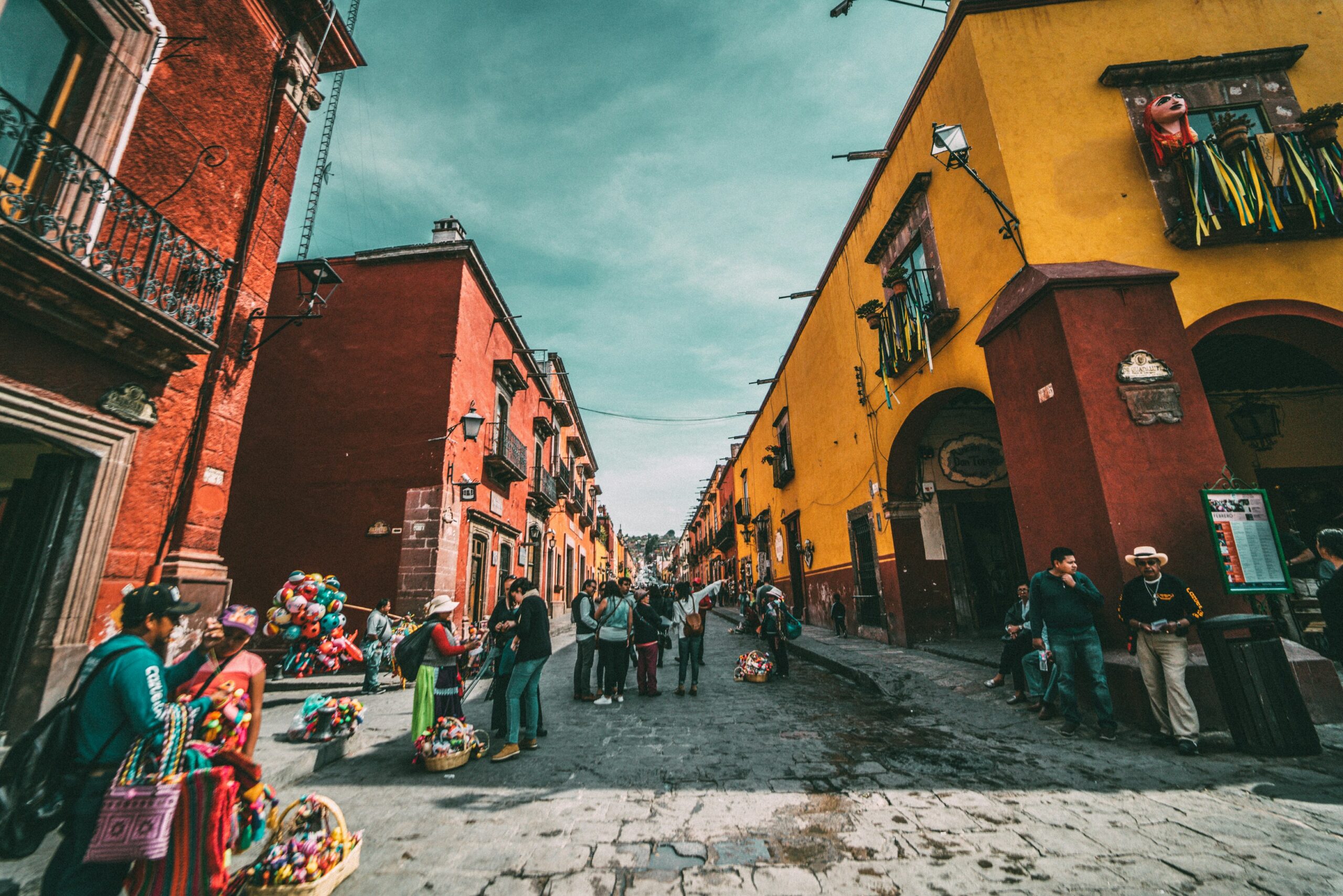
The Portuguese word esquina primarily means corner in English, specifically referring to the intersection point where two streets meet. This geometric concept translates directly into urban geography, making esquina an indispensable word for anyone navigating Portuguese-speaking cities and towns.
In Brazilian Portuguese, esquina carries additional connotations beyond its literal meaning. It often represents a gathering place, a reference point for directions, or even a social space where community members meet. The cultural significance of the esquina in Brazilian society extends far beyond its architectural definition.
Etymology and Historical Development
The word esquina derives from the Latin word scamnum, which originally meant a bench or seat. Through linguistic evolution, this term transformed in Vulgar Latin and eventually became the Portuguese esquina we know today. The semantic shift from bench to corner reflects the historical use of corners as gathering places where people would sit and socialize.
Spanish shares a similar word, esquina, demonstrating the common Latin roots of Romance languages. However, Portuguese speakers have developed unique idiomatic expressions and cultural associations with esquina that distinguish it from its Spanish cognate.
Grammatical Classification
Grammatically, esquina functions as a feminine noun in Portuguese. This means it requires feminine articles and adjectives: a esquina (the corner), uma esquina (a corner), esta esquina (this corner). Understanding the grammatical gender is crucial for proper sentence construction and agreement rules in Portuguese.
The plural form follows standard Portuguese pluralization rules: esquinas. Native speakers commonly use both singular and plural forms depending on whether they’re referring to one specific corner or multiple corners in a general area.
Usage and Example Sentences
Basic Directional Usage
Here are practical examples of how Portuguese speakers use esquina in everyday conversations:
Vou te encontrar na esquina da rua principal com a avenida.
I’ll meet you at the corner of the main street and the avenue.
A farmácia fica na esquina do quarteirão.
The pharmacy is at the corner of the block.
Dobre à direita na próxima esquina.
Turn right at the next corner.
Cultural and Social Context
Beyond navigation, esquina appears in cultural expressions and social situations:
Os meninos jogam futebol na esquina todos os dias.
The boys play soccer on the corner every day.
Minha avó conhece todo mundo da esquina.
My grandmother knows everyone from the corner.
Tem uma padaria muito boa na esquina de casa.
There’s a very good bakery at the corner near home.
Idiomatic Expressions
Portuguese speakers have created several idiomatic expressions using esquina:
Ele mora na esquina do mundo.
He lives at the corner of the world (meaning very far away).
Sempre tem alguém na esquina observando.
There’s always someone at the corner watching.
A oportunidade está virando a esquina.
The opportunity is around the corner.
Vamos conversar na esquina depois da aula.
Let’s talk at the corner after class.
Synonyms, Antonyms, and Word Usage Differences
Common Synonyms
Several Portuguese words can substitute for esquina in specific contexts, though none carry exactly the same meaning and cultural weight:
Canto – This word means corner but typically refers to interior corners of rooms or more enclosed spaces. While esquina refers to street intersections, canto usually describes indoor corners or secluded spots.
Intersecção – A more formal term meaning intersection, often used in technical or official contexts. Native speakers prefer esquina in casual conversation, while intersecção appears in traffic reports or urban planning documents.
Cruzamento – Specifically refers to the crossing point of streets, emphasizing the action of crossing rather than the location itself. This word focuses more on movement through the intersection than the corner as a place.
Regional Variations
Brazilian Portuguese speakers consistently use esquina across different regions, making it a reliable term for learners. However, some regional expressions incorporate local vocabulary alongside esquina. In northeastern Brazil, speakers might say esquina da pracinha (corner of the little square) when referring to corners near small town squares.
European Portuguese speakers also use esquina, but they might prefer intersecção in more formal situations. The cultural associations with neighborhood gathering places remain stronger in Brazilian usage compared to European Portuguese.
Contextual Differences
Understanding when to use esquina versus its alternatives requires recognizing contextual clues. Use esquina when referring to street corners, neighborhood locations, or social gathering places. Choose canto for interior spaces or secluded outdoor areas. Select cruzamento when emphasizing the crossing action or traffic flow.
Pronunciation and Accent
International Phonetic Alphabet (IPA)
The correct pronunciation of esquina in Brazilian Portuguese follows this IPA transcription: [esˈkʲinɐ]. This breakdown helps learners understand each sound component and stress pattern.
The initial e sound [e] is pronounced as a closed mid-front vowel, similar to the e in bet but slightly more closed. The s sound [s] remains unvoiced, followed by the consonant cluster qu [kʲ], which creates a palatalized k sound before the i vowel.
Stress Pattern and Syllable Division
Portuguese stress patterns follow specific rules, and esquina exemplifies a paroxytone word – stressed on the second-to-last syllable. The syllable division is es-qui-na, with primary stress falling on qui [ˈkʲi].
Brazilian Portuguese speakers typically reduce unstressed vowels, so the final a [ɐ] sounds more like a schwa than a full a vowel. This vowel reduction is characteristic of Brazilian pronunciation and distinguishes it from European Portuguese, where vowels maintain more distinct qualities.
Common Pronunciation Challenges
English speakers learning Portuguese often struggle with the qu sound in esquina. Unlike English, where qu typically produces a [kw] sound, Portuguese qu before i creates a palatalized [kʲ] sound. Practice saying the k sound while positioning your tongue toward the palate.
Another challenge involves the final unstressed vowel. English speakers tend to pronounce the final a too strongly, but Brazilian Portuguese requires a reduced [ɐ] sound. Listen to native speakers and practice reducing the vowel quality without completely dropping the sound.
Native Speaker Nuance and Usage Context
Social and Cultural Significance
For Brazilian Portuguese speakers, esquina represents more than a geometric intersection. It embodies community connection and neighborhood identity. Many Brazilians have childhood memories associated with their local esquina – playing with friends, buying snacks from street vendors, or gathering with neighbors.
This cultural dimension makes esquina a powerful word for expressing belonging and familiarity. When someone says eles são da mesma esquina (they’re from the same corner), it implies shared background, values, or experiences beyond mere geographic proximity.
Formal vs. Informal Usage
Native speakers use esquina comfortably in both formal and informal contexts, though the surrounding vocabulary and sentence structure change accordingly. In casual conversation, speakers might say tá na esquina ali (it’s right there at the corner), using informal contractions and demonstrative pronouns.
In formal situations, speakers prefer complete sentences: O estabelecimento está localizado na esquina da rua com a avenida (The establishment is located at the corner of the street and avenue). The core word remains the same, but the linguistic register shifts appropriately.
Generational and Regional Preferences
Younger Portuguese speakers increasingly use esquina in digital contexts, referencing virtual meeting points or online gathering spaces. This metaphorical extension demonstrates the word’s adaptability and continued relevance in contemporary communication.
Older generations maintain stronger associations between esquina and traditional neighborhood social structures. These speakers often use the word with nostalgic undertones when describing changes in their communities or reminiscing about past social interactions.
Professional and Technical Usage
In professional contexts like architecture, urban planning, and real estate, esquina maintains its precise geometric meaning while carrying additional commercial value. Properties na esquina (on the corner) often command higher prices due to increased visibility and accessibility.
Delivery drivers, taxi drivers, and navigation systems regularly use esquina as a reference point. These professional users develop specialized vocabulary combining esquina with directional terms, landmark descriptions, and address systems.
Advanced Usage Patterns
Prepositional Combinations
Portuguese speakers combine esquina with various prepositions to create precise locational expressions. The preposition na (in/at the) appears most frequently: na esquina (at the corner). Other combinations include da esquina (from the corner), para a esquina (to the corner), and pela esquina (by/through the corner).
Each prepositional combination creates specific spatial relationships and movement patterns. Understanding these combinations helps learners express complex directional concepts and navigate Portuguese-speaking environments more effectively.
Compound Expressions
Native speakers create compound expressions using esquina to describe specific types of corners or corner-related activities. Examples include esquina movimentada (busy corner), esquina perigosa (dangerous corner), and esquina comercial (commercial corner).
These combinations allow speakers to convey detailed information about locations while maintaining conversational flow. Learners benefit from recognizing these patterns to understand native speaker descriptions and develop more sophisticated expression abilities.
Conclusion
Mastering the Portuguese word esquina extends far beyond memorizing its basic translation as corner. This essential vocabulary item connects learners to Brazilian urban culture, social dynamics, and everyday communication patterns. From navigation instructions to cultural expressions, esquina serves as a linguistic bridge between practical necessity and cultural understanding.
The journey through esquina‘s etymology, pronunciation, usage patterns, and cultural significance reveals the complexity hidden within seemingly simple vocabulary. Native speakers invest this word with layers of meaning that reflect community connections, childhood memories, and neighborhood identity. For Portuguese learners, understanding these nuances represents a crucial step toward authentic communication and cultural fluency.
Continue practicing esquina in various contexts, paying attention to how native speakers use it in conversations, directions, and social interactions. Remember that language learning involves not just vocabulary acquisition but cultural absorption, and esquina offers an excellent example of how words carry both literal meanings and cultural significance in Portuguese-speaking communities.