Introduction
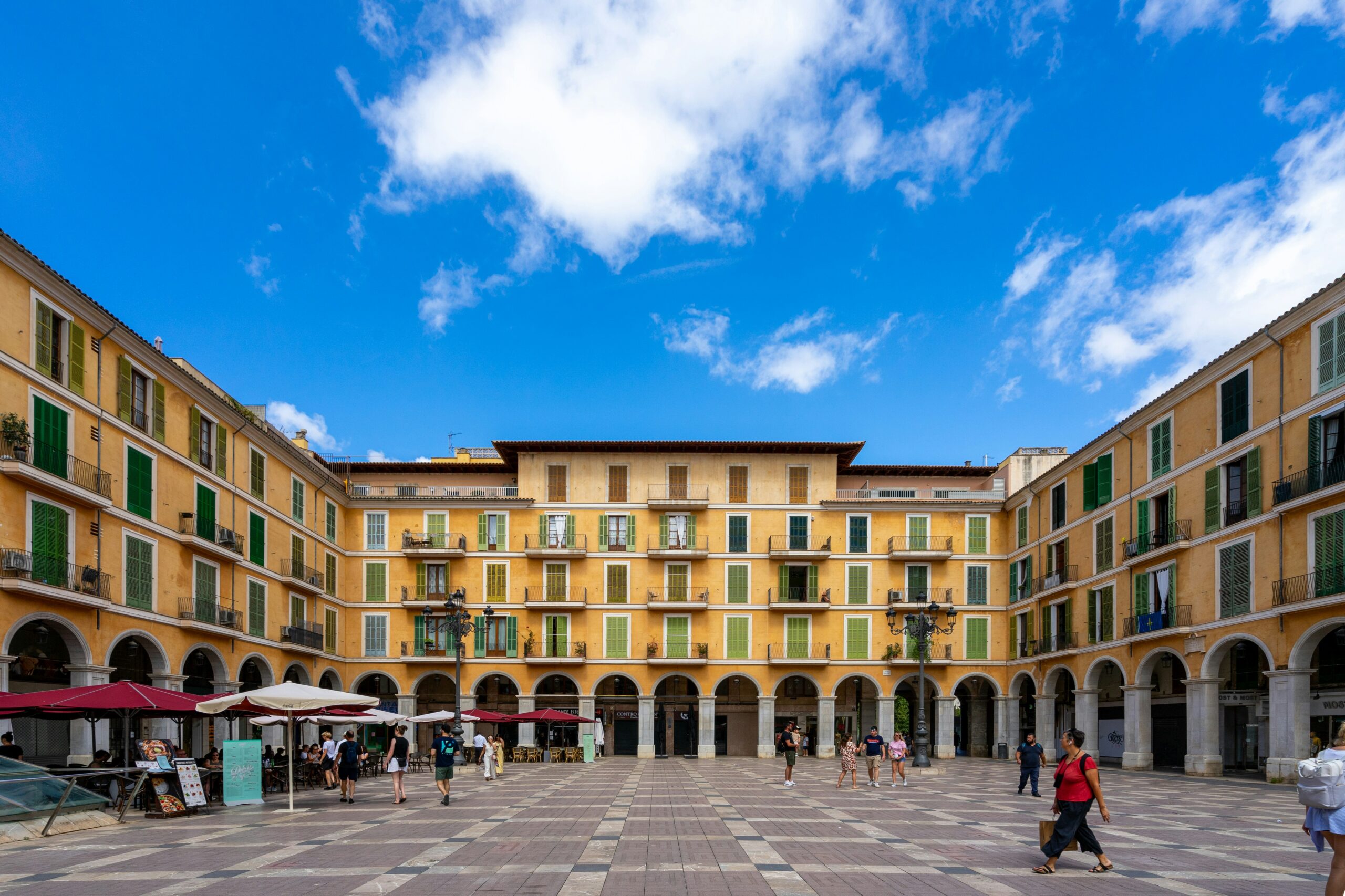
When learning Portuguese, understanding architectural and urban vocabulary is essential for navigating cities, describing your surroundings, and engaging in everyday conversations. The word edifício represents one of the most fundamental terms in this category, appearing frequently in both European and Brazilian Portuguese. Whether you’re looking for an apartment, discussing your workplace, or simply describing the cityscape around you, this word will prove invaluable. This comprehensive guide explores every aspect of edifício, from its Latin roots to its modern usage in contemporary Portuguese. You’ll discover how native speakers use this term in various contexts, learn to distinguish it from similar words, and master its pronunciation. By the end of this article, you’ll have a thorough understanding of how to incorporate edifício naturally into your Portuguese vocabulary, enhancing your ability to communicate about the built environment with confidence and precision.
Meaning and Definition
Core Definition
The Portuguese word edifício is a masculine noun that refers to a building or structure, particularly one of substantial size or importance. In its most common usage, edifício describes a multi-story construction designed for human occupation or use, such as apartment buildings, office towers, commercial complexes, or institutional structures. The term carries a slightly formal tone and typically implies a structure of some architectural significance or size, distinguishing it from smaller constructions like houses or simple structures.
Etymology and Historical Development
The word edifício derives from the Latin term aedificium, which itself comes from aedificare, meaning to build or construct. The Latin root aedes originally referred to a temple or dwelling, while facere meant to make or do. This etymological heritage reveals the word’s ancient connection to the act of construction and the creation of important structures. Throughout the evolution of the Portuguese language, edifício has maintained its association with substantial buildings and has been used since medieval times to describe structures of significance. The word entered Portuguese during the period when Latin-based vocabulary was being formalized in the Iberian Peninsula, and it has remained a stable part of the language’s architectural lexicon for centuries.
Nuance and Contextual Understanding
While edifício translates most directly to building in English, understanding its nuanced usage requires recognizing what Portuguese speakers typically include and exclude when using this term. Native speakers generally reserve edifício for structures that are relatively large, modern, or architecturally noteworthy. A single-family home would rarely be called an edifício, whereas an apartment complex, office tower, or shopping center would naturally fit this designation. The word also carries implications of urban environments; edifício suggests a structure you’d find in cities or developed areas rather than rural settings. Additionally, the term often implies that the structure has multiple floors or serves a significant function in the community, whether residential, commercial, or institutional. This subtle distinction helps learners understand when to use edifício versus other building-related vocabulary.
Usage and Example Sentences
Practical Examples in Context
To truly master edifício, examining authentic usage examples is essential. Below are ten carefully selected sentences demonstrating how native Portuguese speakers incorporate this word into everyday communication:
O edifício onde eu moro tem quinze andares.
The building where I live has fifteen floors.
Aquele edifício antigo no centro da cidade vai ser restaurado.
That old building in the city center is going to be restored.
O edifício da empresa fica perto da estação de metrô.
The company building is located near the subway station.
Estão construindo um novo edifício comercial naquela esquina.
They are building a new commercial building on that corner.
O elevador do edifício está quebrado desde ontem.
The building’s elevator has been broken since yesterday.
Este edifício foi projetado por um arquiteto famoso.
This building was designed by a famous architect.
O edifício residencial tem área de lazer completa.
The residential building has a complete leisure area.
Precisamos evacuar o edifício imediatamente por causa do alarme de incêndio.
We need to evacuate the building immediately because of the fire alarm.
O edifício histórico foi transformado em museu.
The historic building was transformed into a museum.
A fachada do edifício está sendo pintada esta semana.
The building’s facade is being painted this week.
Common Collocations and Phrases
Portuguese speakers frequently combine edifício with specific adjectives and phrases that learners should recognize. Common collocations include edifício residencial (residential building), edifício comercial (commercial building), edifício histórico (historic building), and edifício público (public building). You’ll also encounter phrases like edifício de apartamentos (apartment building), edifício de escritórios (office building), and edifício inteligente (smart building, referring to technologically advanced structures). Understanding these combinations helps learners communicate more precisely about different types of structures and their functions in Portuguese-speaking communities.
Synonyms, Antonyms, and Word Usage Differences
Synonymous Terms
Portuguese offers several words that share semantic space with edifício, though each carries distinct connotations. The word prédio is perhaps the closest synonym and is often used interchangeably with edifício in Brazilian Portuguese, though prédio can sound slightly more colloquial. Construção refers more broadly to any construction or structure, including buildings under development. Imóvel technically means real estate or property but can refer to buildings in certain contexts, particularly legal or commercial discussions. Torre specifically means tower and describes very tall buildings. Bloco refers to a block of buildings or a single building unit within a complex. Understanding these distinctions allows learners to choose the most appropriate term for specific situations, though edifício remains the most formal and widely accepted term across Portuguese-speaking regions.
Antonyms and Contrasting Concepts
While architectural vocabulary doesn’t have traditional antonyms in the way that adjectives do, certain terms represent contrasting concepts to edifício. The word ruína (ruin) represents the opposite state of a functioning building, describing structures that have deteriorated or been destroyed. Terreno baldio (vacant lot) or terreno vazio (empty land) represents the absence of construction where an edifício might stand. In terms of scale, casa (house) and barraca (hut or shack) represent smaller, less substantial structures that contrast with the implied significance of edifício. Área externa (outdoor area) or espaço aberto (open space) represent the opposite of enclosed, built environments. These contrasting terms help learners understand the specific niche that edifício occupies within Portuguese architectural vocabulary.
Usage Differences from Similar Words
Distinguishing edifício from related vocabulary requires attention to regional preferences and contextual appropriateness. In Brazil, prédio and edifício are often used interchangeably in casual conversation, though edifício sounds more formal and is preferred in written communication, official documents, and professional contexts. In European Portuguese, edifício is more consistently used across all registers. The word construção emphasizes the act of building or the construction process, whereas edifício emphasizes the completed structure itself. When describing a home, Portuguese speakers would typically use casa rather than edifício, reserving the latter for larger, more complex structures. Similarly, instalação might be used for facilities or installations with specific purposes, while edifício remains more general. These subtle distinctions reflect how native speakers mentally categorize different types of structures and choosing the right term demonstrates linguistic sophistication.
Pronunciation and Accent
Phonetic Transcription
The International Phonetic Alphabet (IPA) transcription for edifício in Brazilian Portuguese is approximately [e.d͡ʒi.ˈfi.sju] or [e.di.ˈfi.sju], while in European Portuguese it is [ɨ.ði.ˈfi.sju]. These transcriptions reveal important pronunciation differences between the two major varieties of Portuguese. The word consists of four syllables: e-di-fí-cio, with the primary stress falling on the third syllable (fí). This stress pattern is crucial for intelligibility, as placing stress on the wrong syllable would sound distinctly non-native to Portuguese speakers.
Pronunciation Guide for Learners
For English speakers learning Portuguese, several aspects of pronouncing edifício require attention. The initial e should be pronounced as a clear [e] sound in Brazilian Portuguese, similar to the e in they, while European Portuguese uses a reduced schwa-like sound [ɨ]. The di combination creates particular challenges: in Brazilian Portuguese, when di appears before i or e, it often becomes palatalized to sound like [d͡ʒi], similar to the j in English jeans. However, in European Portuguese and some Brazilian regions, it may be pronounced as [di]. The stressed syllable fí should be pronounced with a clear [fi] sound, similar to fee in English but shorter. The final cio can be pronounced as [sju] or [siu], with the c creating an [s] sound and the io blending together. The final o in Brazilian Portuguese is typically reduced to sound like [u], while European Portuguese may maintain a more closed [u] sound. Practicing with native speakers or audio resources helps learners master these subtleties.
Regional Pronunciation Variations
Pronunciation of edifício varies noticeably across Portuguese-speaking regions. Brazilian Portuguese speakers from Rio de Janeiro and surrounding areas tend to palatalize the di sound strongly, making it sound like [d͡ʒi.ˈfi.sju]. Paulistas (people from São Paulo) may pronounce it more conservatively, closer to [e.di.ˈfi.sju]. In Northern and Northeastern Brazil, pronunciation patterns can vary further, sometimes maintaining harder consonant sounds. European Portuguese speakers typically use a more closed, reduced initial vowel and may pronounce the di with a softer [ð] sound (like the th in this), resulting in [ɨ.ði.ˈfi.sju]. African Portuguese varieties, such as those spoken in Angola or Mozambique, generally follow patterns closer to European Portuguese but with local phonetic influences. Understanding these regional variations helps learners recognize the word when spoken by different native speakers and demonstrates cultural awareness of Portuguese linguistic diversity.
Native Speaker Nuance and Usage Context
Formal Versus Informal Contexts
The word edifício carries a moderately formal register in Portuguese, making it appropriate for a wide range of contexts but particularly prevalent in professional, academic, and official settings. In everyday casual conversation among friends or family, Brazilian Portuguese speakers might more frequently use prédio, especially when discussing where they live or work. However, edifício appears naturally in news broadcasts, real estate listings, architectural discussions, business communications, and any situation requiring a more polished or professional tone. When writing emails, reports, or formal documents, Portuguese speakers consistently choose edifício over its more colloquial alternatives. Understanding this register distinction helps learners match their vocabulary choices to the social context, sounding appropriately formal or casual as situations demand.
Cultural and Social Implications
In Portuguese-speaking cultures, particularly in urban areas of Brazil and Portugal, the type of edifício where someone lives often carries social significance. High-rise apartment buildings in upscale neighborhoods represent different social realities than older, smaller structures in working-class areas. When Portuguese speakers discuss their edifício, they might mention features like elevador (elevator), porteiro (doorman), área de lazer (leisure area), or garagem (garage), which signal the building’s quality and, by extension, socioeconomic status. Historical buildings (edifícios históricos) carry cultural prestige and are often protected by preservation laws in cities like Lisbon, Porto, Salvador, and Ouro Preto. Corporate headquarters housed in impressive buildings contribute to company image and prestige. This cultural context means that edifício is never just a neutral architectural term but carries implicit social meanings that native speakers intuitively understand.
Idiomatic Expressions and Common Phrases
While edifício itself doesn’t appear in many fixed idiomatic expressions, it does participate in several common phrases that learners should recognize. The phrase morar em edifício (to live in an apartment building) is a standard way to distinguish apartment dwelling from house dwelling. Síndico do edifício (building manager or superintendent) is an important figure in Brazilian residential culture, managing common areas and coordinating building maintenance. The expression edifício tombado refers to a historically protected building that cannot be significantly altered or demolished. When discussing urban development, you might hear about a edifício sustentável (sustainable building) or edifício verde (green building), reflecting contemporary environmental concerns. In real estate contexts, edifício de alto padrão indicates a luxury building with premium amenities. Familiarity with these phrases allows learners to engage more naturally in conversations about housing, architecture, and urban life in Portuguese-speaking environments.
Common Mistakes to Avoid
Language learners often make several predictable errors when using edifício. One common mistake is applying the term too broadly to include small structures like individual houses, which native speakers would call casas rather than edifícios. Another error involves pronunciation, particularly failing to stress the correct syllable or mispronouncing the initial di combination. Some learners incorrectly assume that edifício and prédio are always interchangeable in all contexts, when in fact edifício is more appropriate for formal writing and professional speech. Gender agreement errors occur when learners forget that edifício is masculine, leading to mistakes like essa edifício instead of the correct esse edifício. Additionally, learners sometimes overuse edifício when more specific terms would be preferable; for example, describing a church as an edifício is technically correct but igreja (church) would be more natural. Awareness of these common pitfalls helps learners use edifício more accurately and naturally in their Portuguese communication.
Conclusion
Mastering the word edifício provides Portuguese learners with an essential tool for navigating urban environments, discussing architecture, and describing the built world around them. From its Latin origins to its contemporary usage across Portuguese-speaking countries, edifício represents more than just a simple vocabulary item—it opens windows into how Portuguese speakers conceptualize and categorize structures in their environment. Understanding the subtle distinctions between edifício and related terms like prédio, construção, and casa demonstrates linguistic sophistication and cultural awareness. The pronunciation challenges, particularly the stressed syllable and regional variations, remind us that vocabulary acquisition extends beyond memorizing definitions to include phonetic mastery. Whether you’re searching for an apartment in São Paulo, describing the architecture of Lisbon, or discussing urban development in Luanda, edifício will serve you well. By incorporating this word naturally into your Portuguese vocabulary, paying attention to its register and cultural connotations, you’ll communicate more effectively and authentically in Portuguese-speaking contexts, bringing your language skills one step closer to native-level proficiency.